
Last updated November 4, 2026
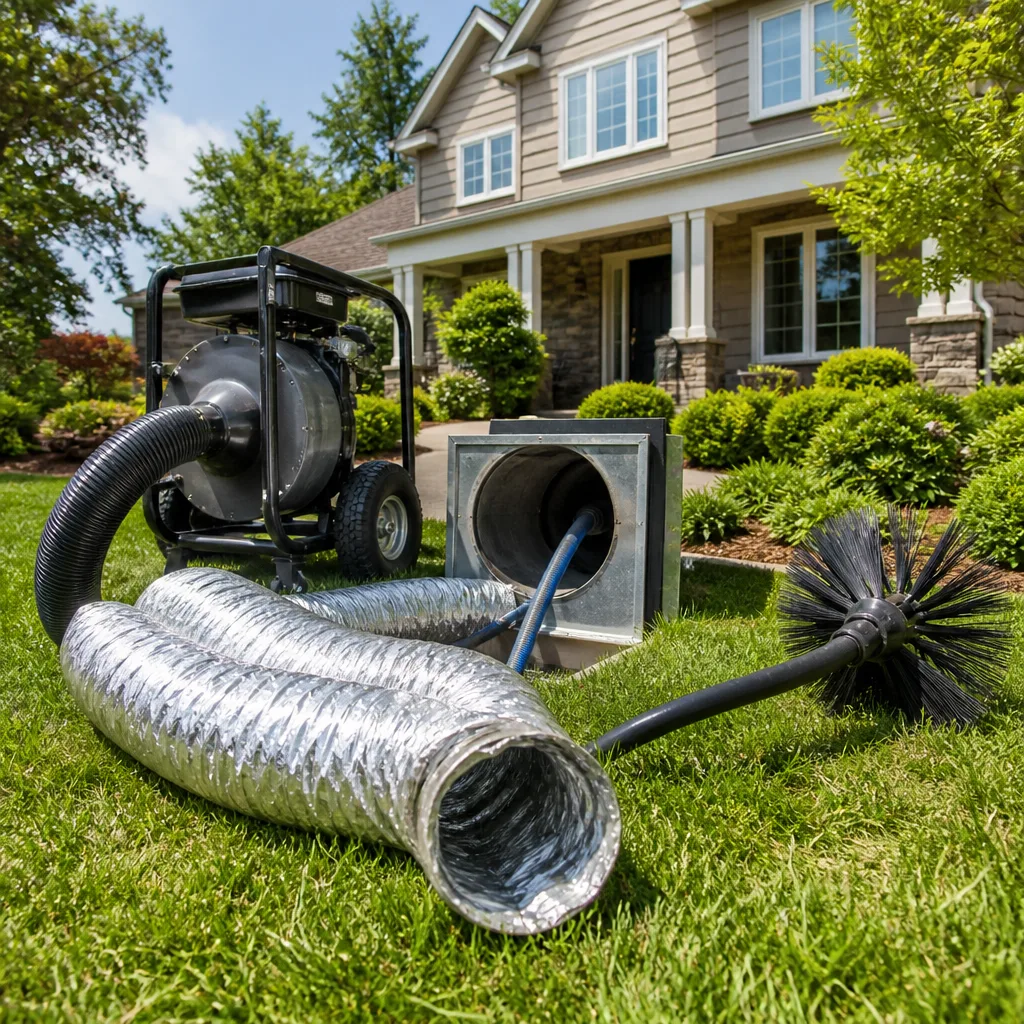 Whole-home duct cleaning
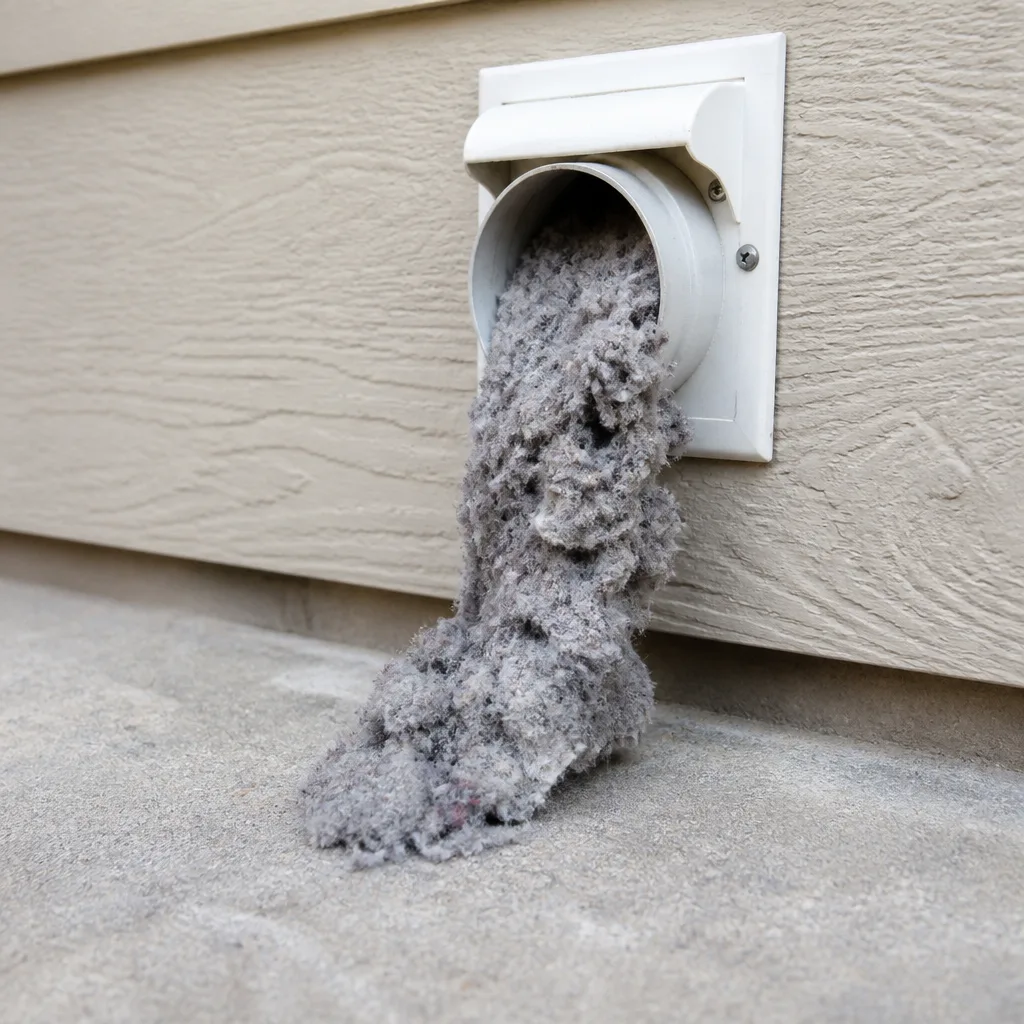 Dryer vent cleaning
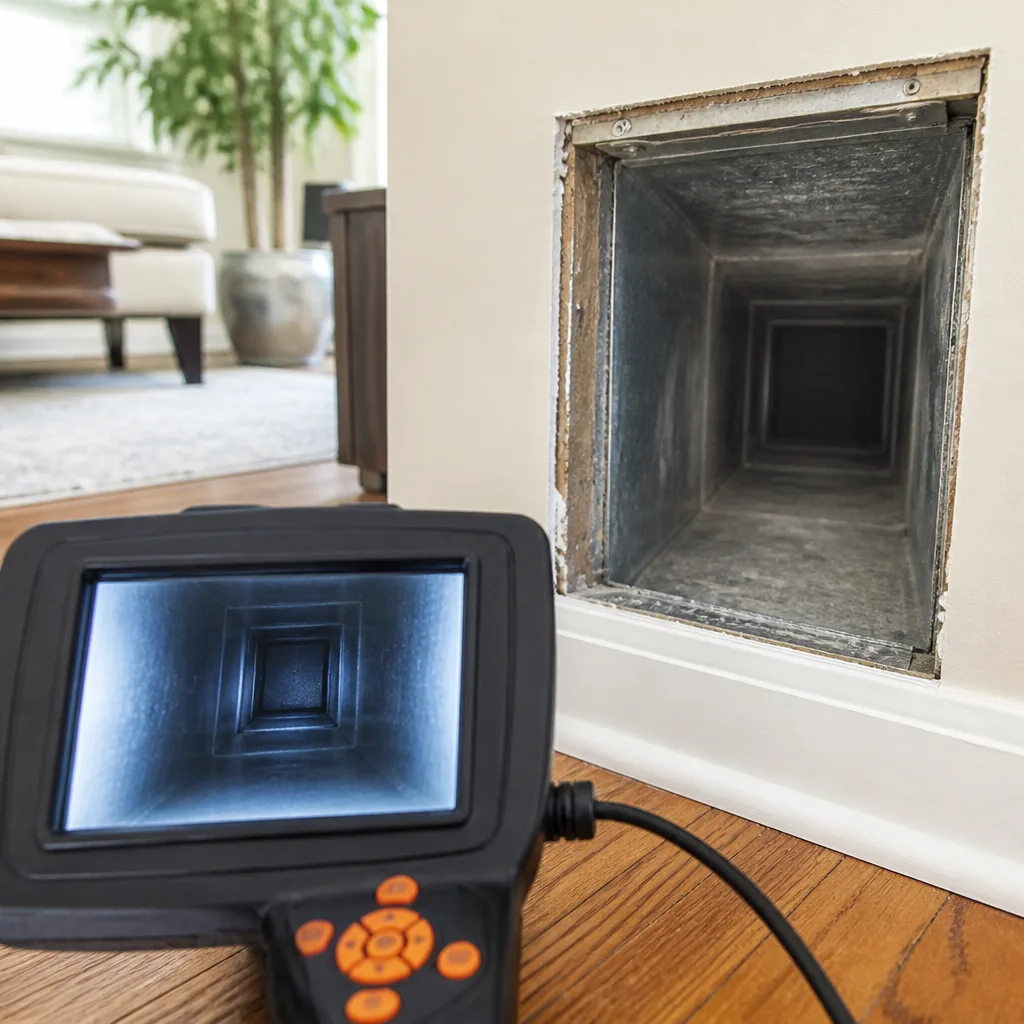 Camera inspection
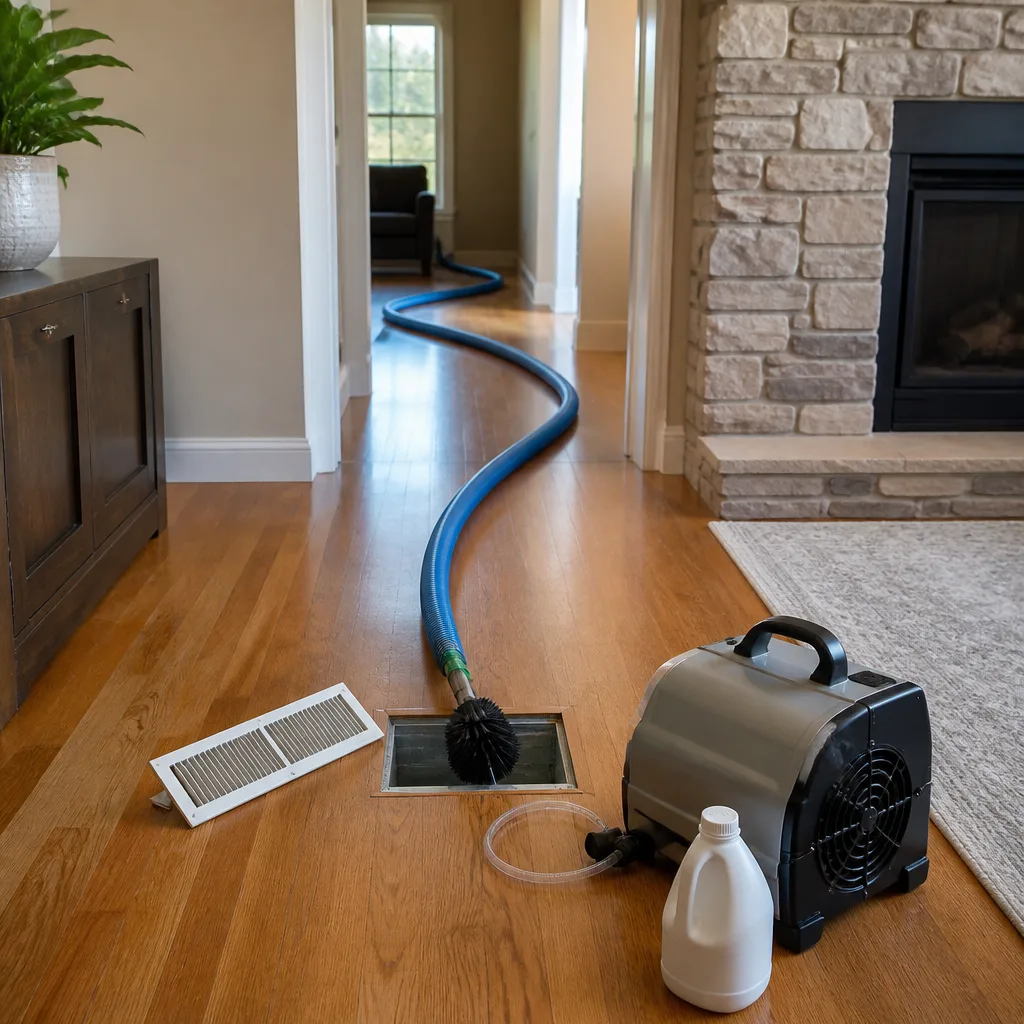 Sanitizing & deodorizing
Whole-system duct and dryer vent check with before-and-after photos - you see exactly what came out of your vents
That "$99 whole-house special" is a bait ad - the real number appears once they are in your hallway, or the "clean" is a shop-vac at the register. We photograph the inside of your ducts before and after instead.
Choosing the Right Air Duct Cleaning Brand: A Buyer’s Guide for Hayward
Here’s something most homeowners in Hayward don’t realize until they’ve already booked the job: there is no “air duct cleaning brand” in the way there’s a Trane or a Carrier for furnaces. The name painted on the van tells you almost nothing about how well your ducts will be cleaned. What actually separates a thorough, honest duct cleaning from a rushed one is the equipment inside that van, the process the crew follows, and how long they spend inside your system. This guide walks through what to verify before you hire anyone, why specialization carries more weight than a recognizable logo, and which questions save you from paying for a job that was never really done.
Quick Answer
The right air duct cleaning company in Hayward is one that uses professional-grade agitation and collection equipment, performs an inspection before quoting, and can document the work with before-and-after photos or video. Rotobrush and Nikro systems, or comparable commercial equipment, are the practical benchmark. Choose a specialist who treats ductwork as their entire trade, not an HVAC company that tacks duct cleaning onto a furnace tune-up.
Styles & brands we work with
- Whole-home duct cleaning
- Dryer vent cleaning
- Camera inspection
- Sanitizing & deodorizing
Table of Contents
- The Equipment Question: What Actually Matters
- Why Specialization Beats a Big Brand Name
- How to Read Duct Cleaning Reviews Without Getting Fooled
- The NADCA Verification Process: Checking Certifications Yourself
- What the Pre-Job Process Reveals About a Company
- What Hayward Homeowners Should Know About Their Ductwork
- Questions to Ask Before Booking
The Equipment Question: What Actually Matters
When you hire a duct cleaning company in Hayward, you’re really hiring their equipment. A technician can be friendly and punctual, but if they roll up with a portable shop vacuum and a spinning brush from a hardware store, the job is already compromised before it starts. Duct cleaning works on two principles: agitation and collection. The equipment has to loosen debris from duct walls and then pull it out of the system without blowing it back into your living space.
You want to ask about three specific things. First, the vacuum CFM rating. Cubic feet per minute measures how much air the collection unit moves. Professional truck-mounted or high-powered portable units move thousands of CFM, which creates the negative pressure needed to pull loosened debris the entire length of a duct run. A shop vac moves a few hundred CFM at best, and it loses suction rapidly as the filter loads. Second, ask about the agitation method. Contact agitation, where a brush or whip physically touches the duct walls, removes caked-on dust and pet hair that an air-sweep alone will not dislodge. Rotobrush systems use a rotating brush head that scrubs the interior surface while simultaneously vacuuming. Nikro systems use compressed air and agitation tools designed for commercial work. Both are legitimate professional approaches. Third, ask whether they use camera inspection equipment. A company that can show you the inside of your ducts before and after is a company that cannot hide a half-done job.
The point here is simple: you are not comparing brands. You are comparing tooling. And tooling is verifiable. Ask the name of the equipment. If the person on the phone hesitates or says something vague like “professional truck-mounted system,” push for the manufacturer. Companies that invested in Rotobrush or Nikro equipment will tell you immediately, because they know it matters and they know informed customers ask.
Why Specialization Beats a Big Brand Name
There’s a quiet difference between an HVAC company that offers duct cleaning and a company that does nothing but duct cleaning. We see it in how the equipment is maintained, how the crews are trained, and how seriously the inspection process is taken. An HVAC generalist has a dozen services competing for attention. Duct cleaning is a line item on their invoice, often a smaller one next to furnace replacement or AC installation. They may do a conscientious job, but they may also treat it as a fill-in task between bigger contracts.
A specialist like Duct Cleaning Hayward has staked the entire business on three services: air duct cleaning, dryer vent cleaning, and air duct repair. There is no broader service menu to hide behind. If the ducts are not cleaned properly, the reviews will say so, and there is nothing else the company does to cushion that reputation. That focus produces a different standard of work. The equipment gets calibrated and maintained because it runs every day. The technicians see dozens of duct systems a month, not a handful a year. And the process gets refined, because the company lives or dies on that one outcome.
This focus also shows up in the ancillary work. We repair what others just clean around. A duct cleaning company that also offers Air Duct Repair is telling you something specific: they are willing to diagnose problems, not just vacuum past them. Compromised ductwork, disconnected runs, crushed flex sections, gaps at joints, these are structural issues that cleaning alone will not solve. A generalist might note them and refer you elsewhere. A specialist has the reason and the tools to address them on the spot.
How to Read Duct Cleaning Reviews Without Getting Fooled
Online reviews are useful, but only if you know how to separate signal from noise. The duct cleaning industry has a known problem with volume-driven review campaigns. A company buys hundreds of generic five-star reviews in a short window, and suddenly they look like the best outfit in Hayward. You can spot this pattern by looking at the content of the reviews themselves.
- Look for equipment mentions. A genuine, detailed review from a homeowner often says something like “they used a big truck-mounted unit” or “the tech showed me the camera footage.” Reviews that simply say “great service” or “friendly guys” dozens of times over are less informative.
- Look for process details. Did the reviewer mention an inspection before the quote? Did they mention before-and-after photos? Did they mention how long the job took? Real reviews describe what happened. Volume reviews describe a feeling.
- Check the review velocity. A steady trickle of reviews over years is far more credible than a burst of fifty in a month. Bursts suggest a campaign.
- Read the negative reviews. This sounds backward, but the negative reviews tell you what the company actually does when things go wrong. You want to see a calm, specific response from the owner, not defensiveness or silence. How a company handles a bad outcome says more than how it handles a good one.
- Look for repeat mentions of specific neighborhoods. Reviews that name areas around Hayward, like Tennyson, Harder, or the hills above Fairview, signal a company actually working in the local market rather than a national lead-gen operation farming reviews.
The goal is not to find a company with no negative reviews. That company does not exist. The goal is to find a company whose negative reviews are about ordinary friction, timing, scheduling, a missed call, and whose positive reviews are about the actual work done inside ducts.
The NADCA Verification Process: Checking Certifications Yourself
NADCA, the National Air Duct Cleaners Association, is the standard-setting body for the duct cleaning industry. Membership and certification are meaningful signals, but only if you verify them. Anyone can put a NADCA logo on a website. The verification process takes five minutes.
- Go to the NADCA website and use their Find a Professional directory.
- Search by your ZIP code or city, Hayward, CA. The directory returns companies that hold current NADCA membership.
- Look for certification status. NADCA offers an Air Systems Cleaning Specialist (ASCS) certification for individuals, not just companies. A company with certified technicians on staff has invested in formal training.
- Check the company’s own site against the directory. If they claim NADCA membership but do not appear in the directory, ask why. There is no good answer.
- Note the distinction. NADCA membership is a company that pays dues and follows standards. ASCS certification is an individual who passed a proctored exam. Both are better than neither.
This matters because duct cleaning is not licensed in California the way plumbing or electrical work is. There is no state board that polices duct cleaning quality. The accountability comes from industry organizations like NADCA and from the equipment choices a company makes. A company that runs Rotobrush and Nikro systems, uses Abatement Technologies filtration equipment, and maintains NADCA credentials is doing the job the way the industry itself says it should be done.
What the Pre-Job Process Reveals About a Company
The way a company handles your initial call tells you more than their brochure does. We want you to notice the difference between a company that asks questions and a company that quotes a price before asking anything.
A serious duct cleaning company asks about your home before quoting. How many square feet? How many stories? How many returns? When was the house built? Have you renovated recently? Do you have pets? Have you noticed specific symptoms, musty odors from the vents, visible dust on the registers, rooms that never seem to cool or heat properly? These questions matter because the job scope varies enormously. A 900-square-foot Hayward bungalow with five registers is a different job from a 2,400-square-foot two-story with twelve registers and two returns.
A company that quotes by phone without any of this information is either desperate for the booking or plans to upsell you once they arrive. In our experience, the estimate should come from an inspection, not a script. The right process is: a technician looks at the system, notes the number of vents and returns, checks the condition of the ductwork, identifies access challenges, and then gives you a written price. That price is the price. No per-vent add-ons, no surprise line items.
Also ask what the work order will include. Will they clean the supply and return sides? Will they clean the main trunk line or just the branch runs? Will they clean the blower and coil? Will they provide Hayward homeowners with before-and-after photos? A company that defines the scope clearly, before you hand over any money, is a company that has done this enough times to know what the job actually involves. Your ducts work invisibly, until they don’t. The pre-job process should make the scope visible.
What Hayward Homeowners Should Know About Their Ductwork
Hayward’s climate has a direct effect on what accumulates in your ducts. We get mild winters and warm, dry summers. That dryness means dust. Lots of it. The East Bay hills and the flatlands carry fine particulate that settles everywhere, and your return registers pull it straight into the duct system. Homes near the 880 corridor deal with additional traffic-related particulate. Homes in the older neighborhoods, the Hayward hills with their mid-century stock, the flatlands around downtown, often have duct systems that were installed decades ago and have never been fully inspected, much less cleaned.
Older ductwork presents two specific issues. First, the materials deteriorate. Flex duct breaks down. Metal duct develops gaps at the seams. The result is a system that leaks conditioned air into the attic or crawlspace, which raises your energy bill regardless of how efficient your furnace is. Second, older systems frequently have never had a proper cleaning, meaning the accumulated debris is not a light dusting but a compacted layer. That requires real agitation equipment, not a gentle brush-off.
Even in newer homes, the construction itself is a variable. Hayward has seen steady infill development, and new construction does not mean clean ducts. Drywall dust, sawdust, and debris from the build process often remain in the system when the builders leave. Cleaning those ducts is not a luxury. It’s part of the home actually being finished.
The point for Hayward homeowners is this: clean ducts are not about the climate fighting you, they are about the age of the housing stock and the reality of local dust. A company that has worked on Hayward duct systems knows what to expect. A company unfamiliar with the market does not.
Questions to Ask Before Booking
Here is a numbered list you can use on the phone. Write it down or keep it on your screen. If a company answers all of these well, you are talking to the right kind of operation.
- What equipment do you use? Listen for Rotobrush, Nikro, or another named commercial system. If they cannot name it, that’s an answer.
- Do you do an inspection before quoting? The right answer is yes, and the quote should be written, not verbal.
- Do you have a camera inspection system? The right answer is yes, and they should be willing to show you before-and-after footage.
- What does the cleaning scope include? You want explicit confirmation that they clean supply and return sides, the main trunk, and the accessible branches.
- Are your technicians NADCA-certified? If the answer is no, ask what training or certification they do have. If they get defensive, move on.
- Do you offer duct repair if you find damage? Companies that also install Honeywell and Aprilaire components or offer duct repair have a broader set of solutions than a pure cleaning outfit.
- How long will the job take? A real cleaning of a typical Hayward home takes several hours. If they promise thirty minutes, they are not doing the work.
A few of these are filters. Most companies will pass some and fail others. The companies that pass all of them are the ones you want in your home. The companies that fail are the ones whose low price is the only feature.
Common Mistakes to Avoid
- Choosing by price alone. The cheapest quote in Hayward is cheap for a reason. Usually that reason is a shop-vac in a van and a crew paid by the job, not by the hour. They rush because volume, not quality, is the business model.
- Hiring an HVAC company that pays a commission to technicians for every cleaning sold. This incentivizes the tech to find problems that may not exist. Ask whether the technician is paid on commission. If the answer is yes, treat every recommendation with skepticism.
- Skipping the inspection. Any company willing to quote over the phone without seeing your system is guessing. Guessing is fine for a burger, not for a several-hundred-dollar service inside your walls.
- Believing the “whole house in one hour” promise. A thorough cleaning of an average Hayward home takes longer than a lunch break. Speed promises are the first tell of a volume operation.
- Ignoring the repair conversation. If a company finds a disconnected duct or a crushed run and cannot repair it, you are paying for a cleaning that will be undone by the problem you did not fix. Choose a company that offers Air Duct Repair alongside cleaning.
- Trusting the brand name without checking equipment. Brand recognition in duct cleaning is not like a furnace brand. Ask for equipment specifics every time.
- Not asking about dryer vents. Your dryer vent cleaning is part of the same conversation. A clogged dryer vent is a serious fire risk, and a specialist who cleans ducts but also does dryer vents is the company you want to build a relationship with.
See the difference
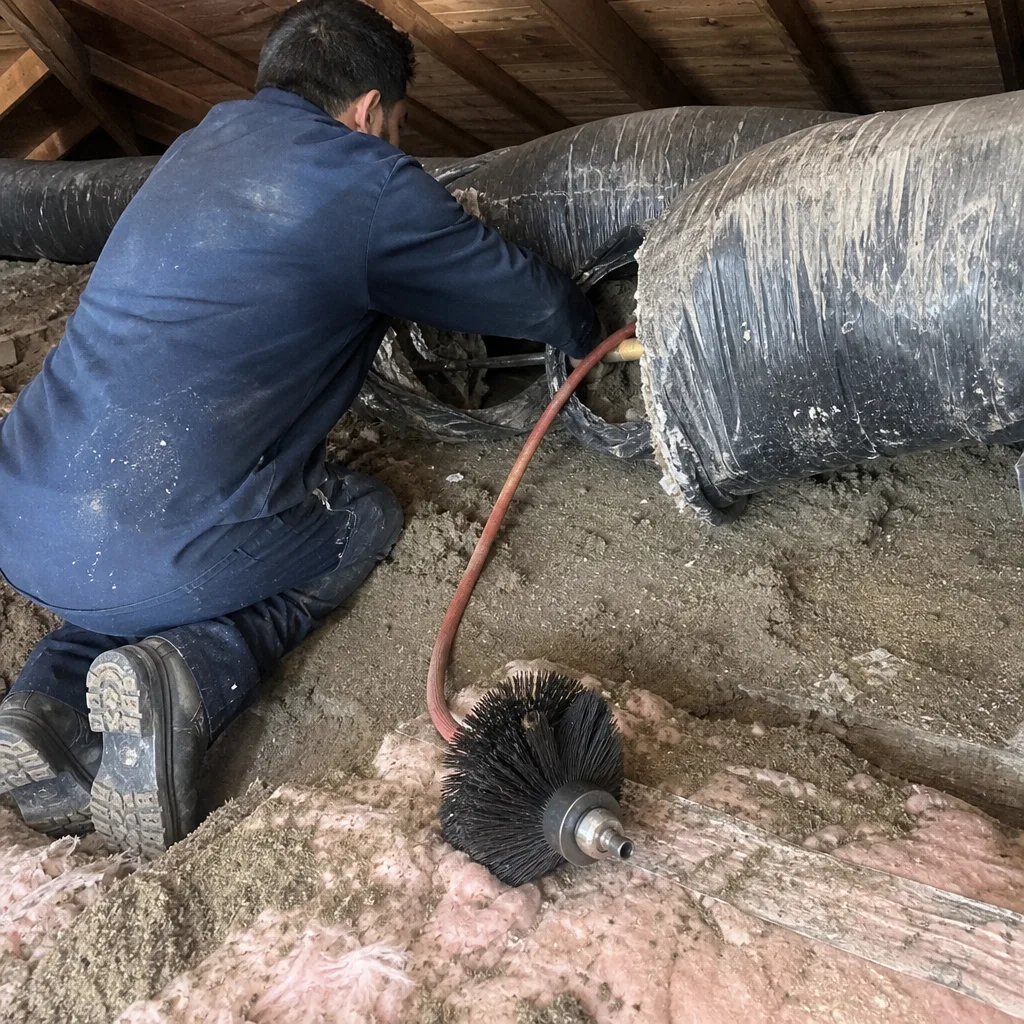 Before
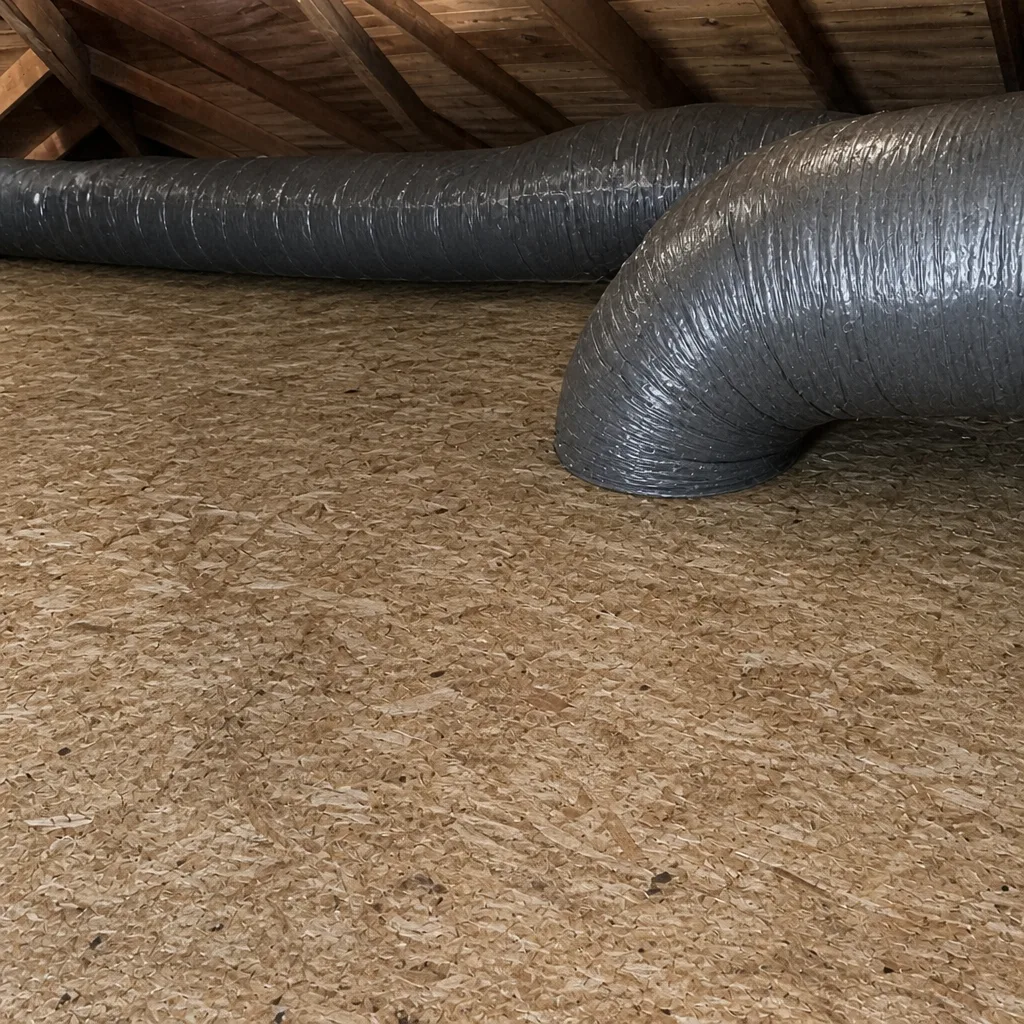 After
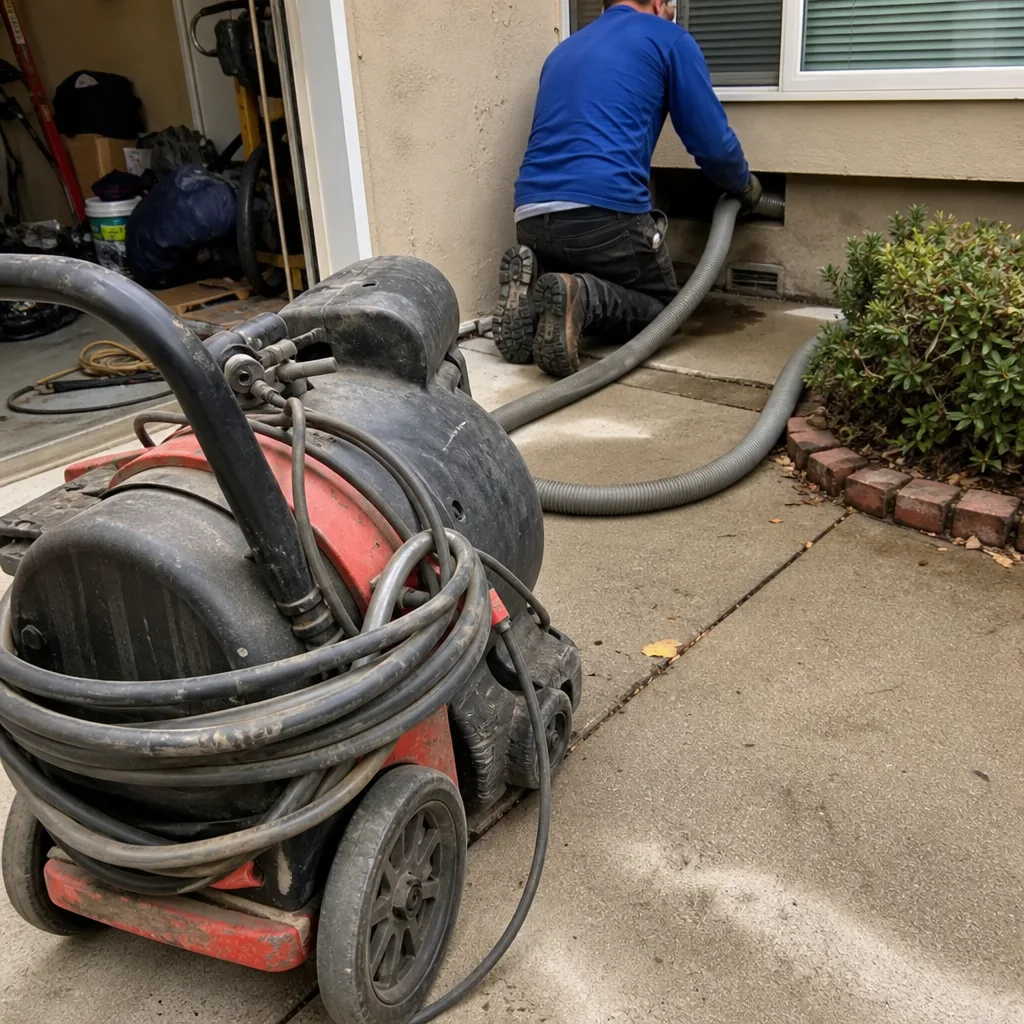 Before
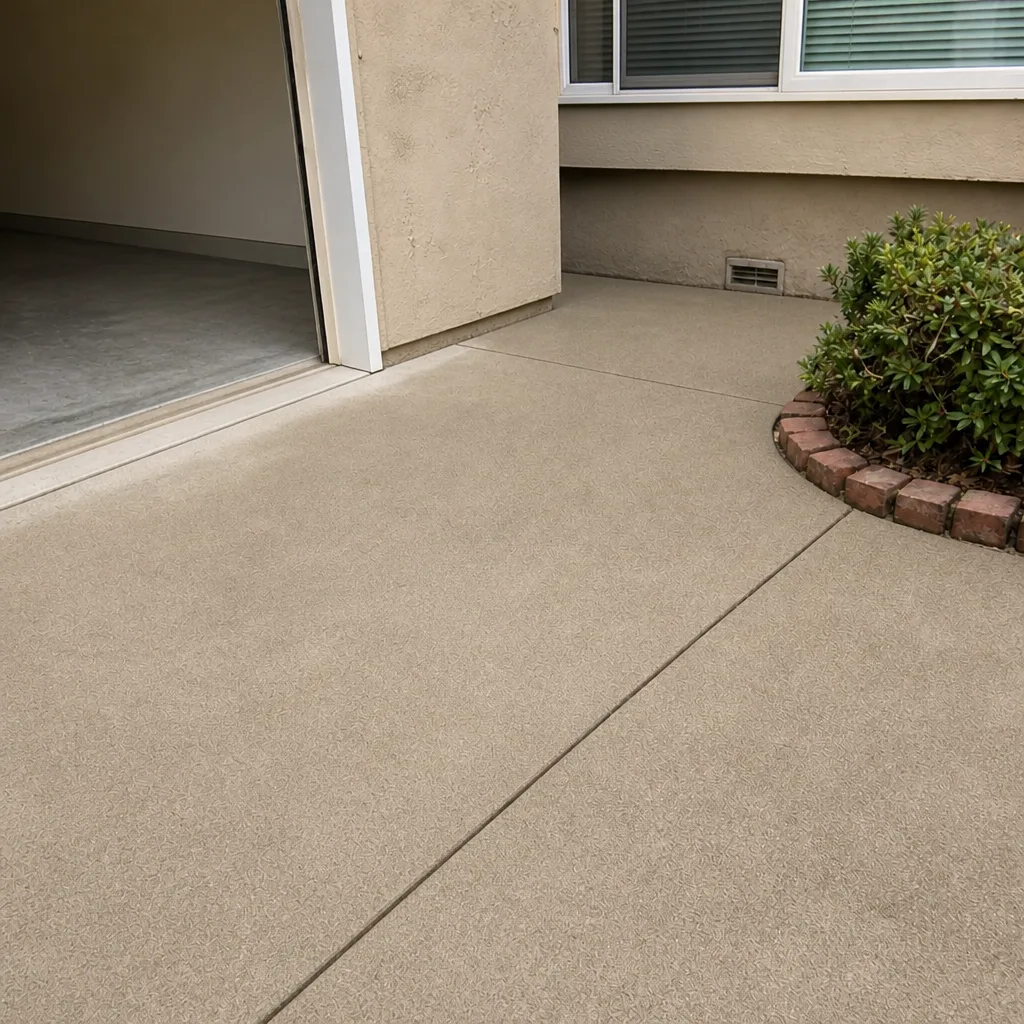 After
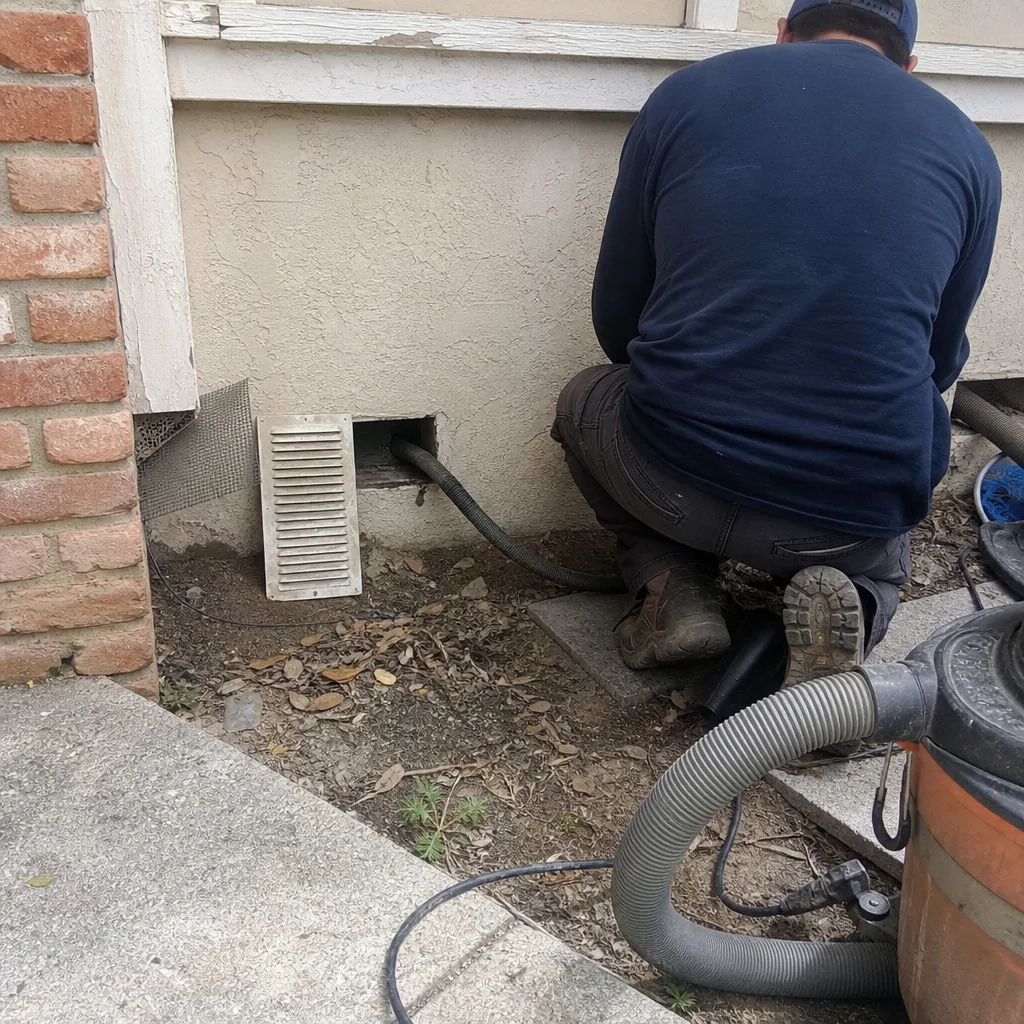 Before
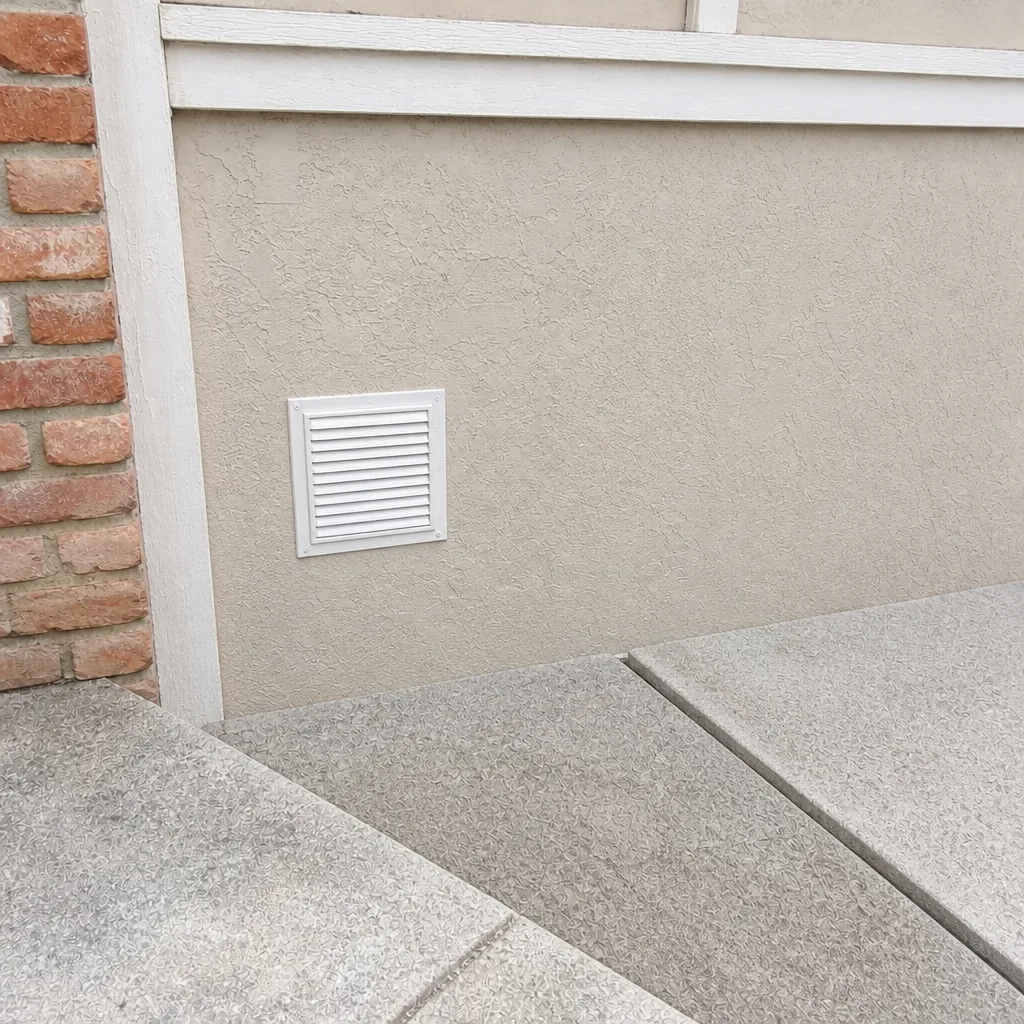 After
When to Call a Professional
There are moments where you can see the problem yourself. Visible dust blowing out of the registers when the system kicks on. Rooms that smell musty when the heat runs. A dryer that takes two cycles to dry a load. Energy bills creeping up even though your habits have not changed. These are not mysteries. They are symptoms of a duct system that needs attention.
If you have never had your ducts cleaned and your home was built more than ten years ago, it is reasonable to assume the system is carrying debris you would rather not think about. If you have allergies that worsen indoors, or pets that shed, or you did a renovation that filled the house with dust, the case is stronger. Do not wait for the symptom to become a failure.
Duct Cleaning Hayward offers free estimates in Hayward, and we are glad to come out, inspect the system, and tell you honestly what you are working with. Call (833) 589-9902. We answer 24/7. Fast dispatch from 7am to 7pm, Sunday through Friday.
Frequently Asked Questions
Air duct cleaning in Hayward typically runs several hundred dollars for a full single-family home, but the honest answer is that pricing depends on the square footage, the number of vents and returns, the age and condition of the ductwork, and the level of contamination. A written estimate after an on-site inspection is the only way to get a real number. Call (833) 589-9902 for a free estimate, and we will assess your system in person.
Ask for before-and-after photos or video from a camera inspection system, which every serious duct cleaning company should provide. You can also ask the technician to show you the collection unit after the job, because a full, heavy debris container is direct evidence of what came out of your walls. If a company cannot show you either, you have reason to be suspicious.
Cheaper quotes usually mean cheaper equipment, fewer hours on the job, and a crew incentivized to finish fast and move to the next house. Professional-grade systems like Rotobrush and Nikro cost thousands of dollars and require maintenance and training. A company using that equipment cannot profitably clean a home for $99. The low quote is not a savings, it is a different, lesser service.
Most industry guidance points to every three to five years for a typical Hayward home, but the honest answer depends on variables like pet ownership, renovation activity, and whether your home has smokers or allergy sufferers. If you have never had the ducts cleaned and the home is older, the first cleaning is usually the most important one, because it addresses years of accumulation.
Hayward’s dry, dusty summers and the fine particulate that blows through the East Bay mean dust and debris accumulate consistently. Older homes in neighborhoods like the Hayward hills or the flatlands often have leaky, aging ductwork that compounds the problem. It is not that the climate is extreme, it is that the dust never really stops, and old ducts never really seal.
Yes, if the company offers Air Duct Repair as a standalone service. That is the difference between a specialist and a cleaning-only operation. If a technician finds a disconnected run, a crushed flex section, or a gap at a joint during the cleaning, it makes practical sense to fix it immediately rather than schedule another company for another visit. Ask about repair capability when you book.
The Bottom Line
The right air duct cleaning decision in Hayward comes down to equipment, process, and focus. You want a company that can name the systems they use, inspect before they quote, show you the inside of your ducts before and after, and repair what they find. You want a specialist whose business model depends on cleaning ducts properly, not an HVAC shop that treats it as a side note. You do not need to become an expert in airflow dynamics, but you do need to ask the questions. Most of all, you want a company that treats the work as technical labor worth doing well, not a race to the next job. That company exists. The short version is this: ask about the equipment, verify the credentials, and choose the company that answers every question without hesitation.
Written by the team at Duct Cleaning Hayward, serving Hayward since 2011.