
Last updated November 4, 2026
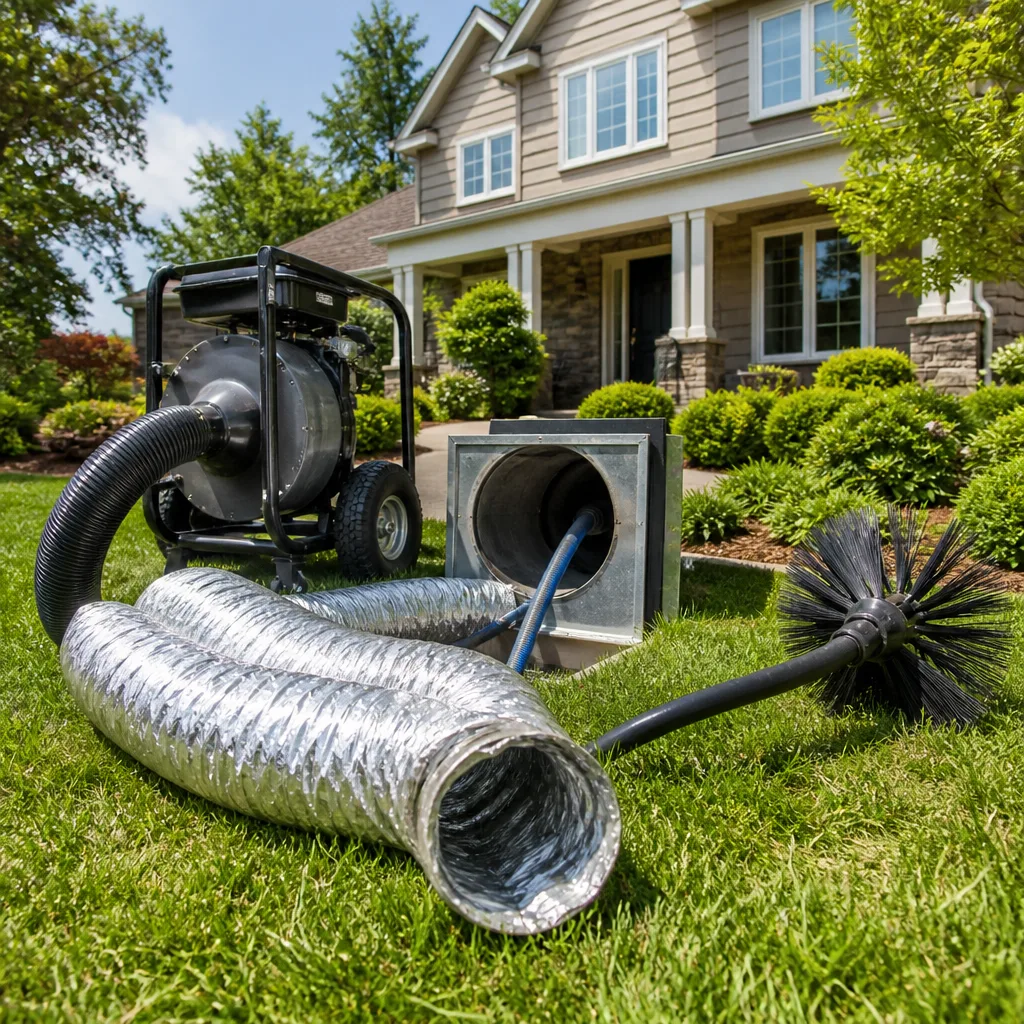 Whole-home duct cleaning
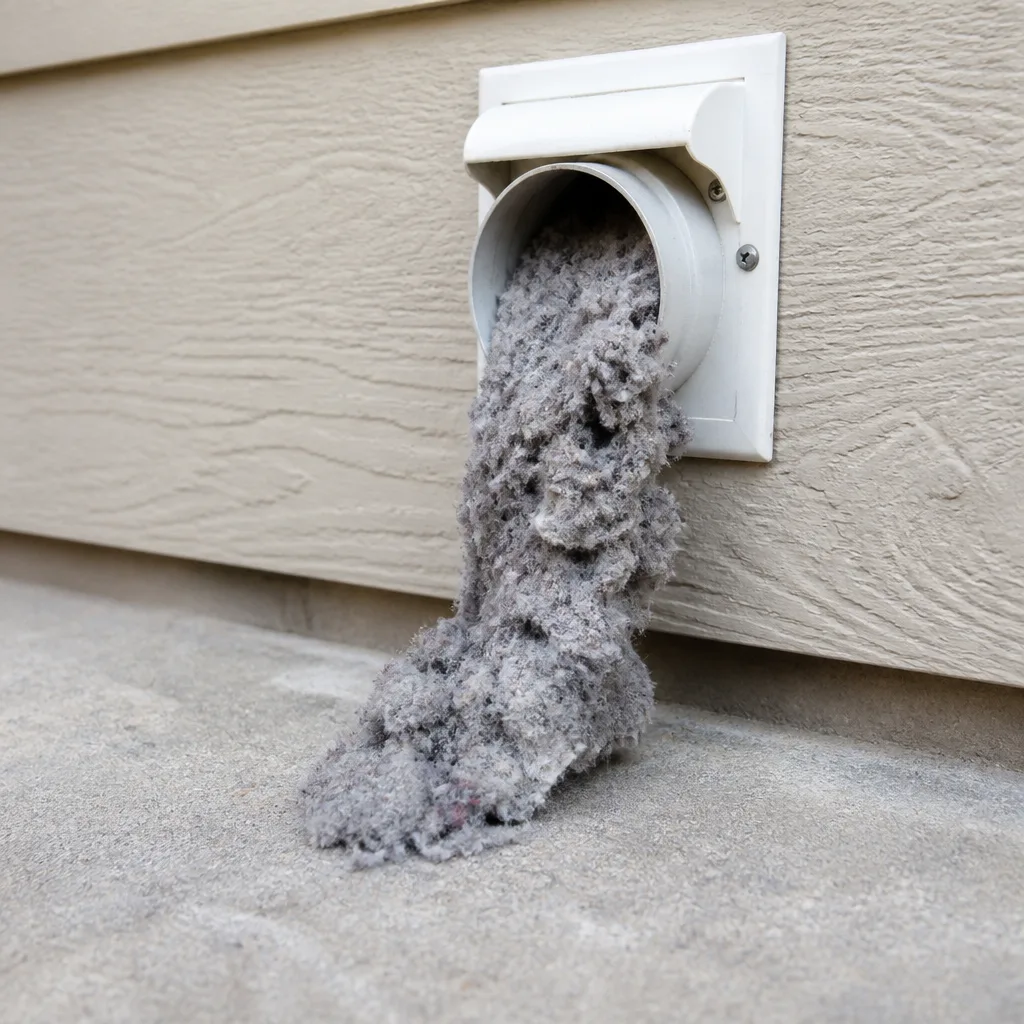 Dryer vent cleaning
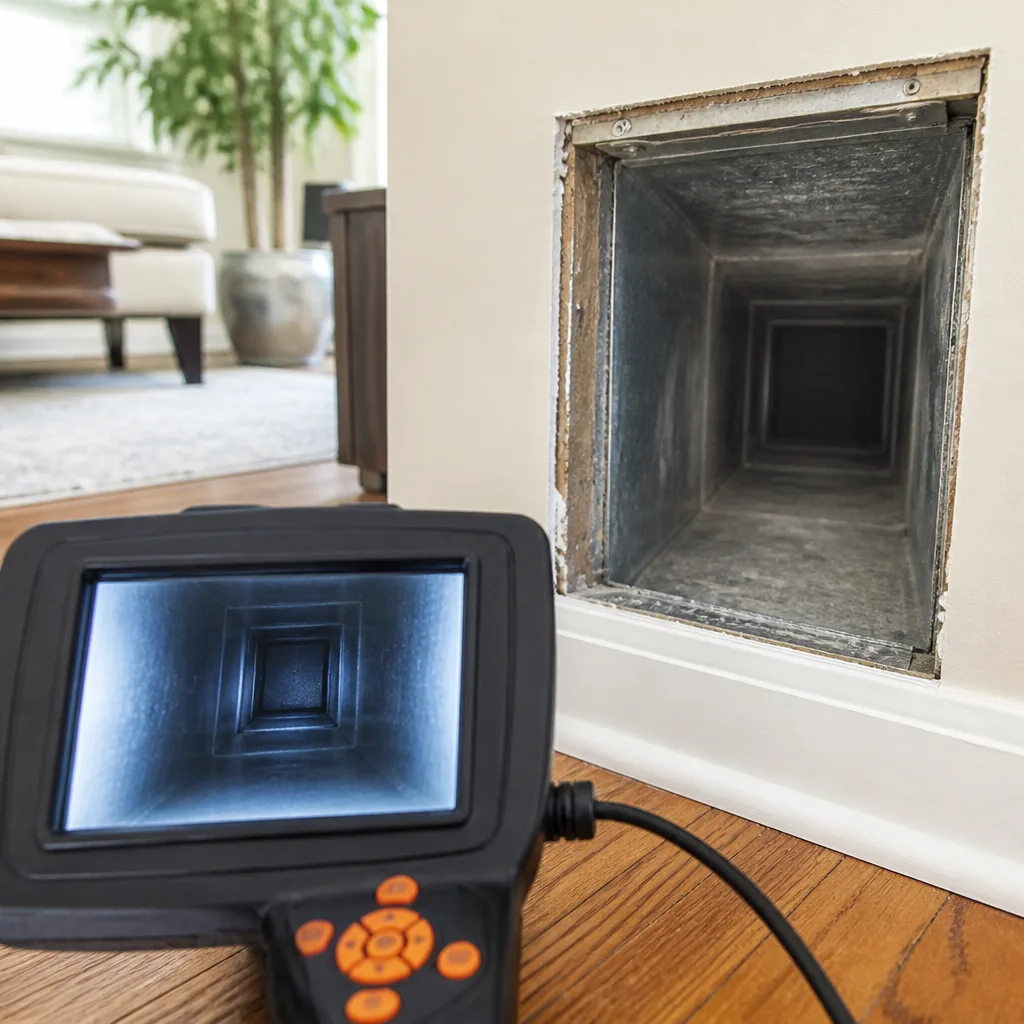 Camera inspection
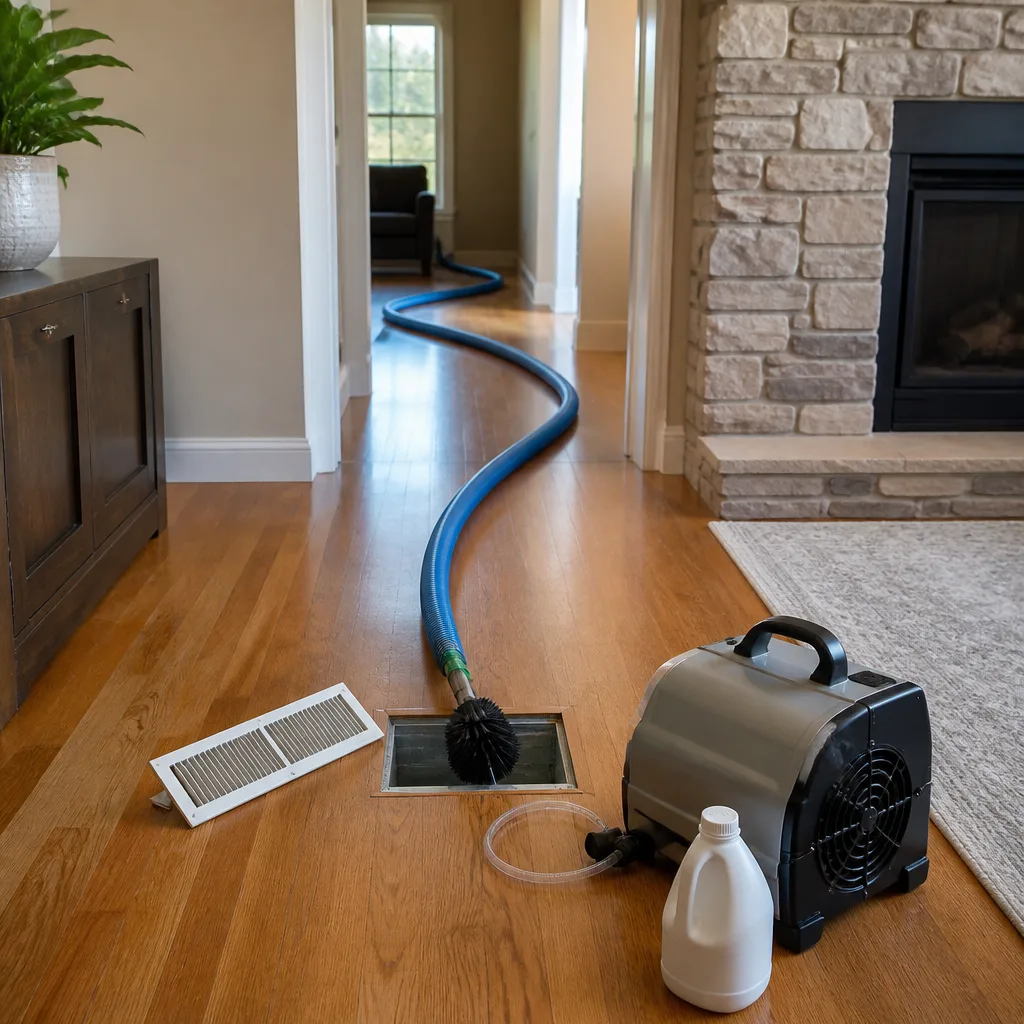 Sanitizing & deodorizing
Whole-system duct and dryer vent check with before-and-after photos - you see exactly what came out of your vents
That "$99 whole-house special" is a bait ad - the real number appears once they are in your hallway, or the "clean" is a shop-vac at the register. We photograph the inside of your ducts before and after instead.
Air Duct Cleaning Permits, Codes & Inspections in Hayward, CA: What You Need to Know
Most homeowners assume air duct cleaning and permits have nothing to do with each other. And for the cleaning itself, that’s true. But here’s the part nobody mentions until it’s too late: the moment a technician recommends duct sealing, repair, or replacement during your cleaning visit, you’ve crossed into mechanical alteration territory. That’s permitted work in Hayward, and unpermitted alterations can surface years later at resale inspection. This guide maps exactly where the line sits under California Mechanical Code and Hayward municipal standards, so you’ll know what requires a permit, what doesn’t, and what documentation to keep regardless. If you live in Hayward and you’re planning any ductwork service, this is the information that protects you.
Quick Answer
Air duct cleaning alone does not require a permit in Hayward, CA, because it’s classified as a maintenance service, not a mechanical alteration. However, any duct repair, sealing, replacement, or modification that changes the system’s structure or airflow typically requires a permit through Hayward’s Building Division under California Mechanical Code. The distinction matters because unpermitted duct alterations can complicate resale and insurance claims, even if the work was done well.
Styles & brands we work with
- Whole-home duct cleaning
- Dryer vent cleaning
- Camera inspection
- Sanitizing & deodorizing
Table of Contents
- Cleaning vs. Alteration: Where the Permit Line Actually Sits
- What the California Mechanical Code Says About Ductwork
- Hayward-Specific Requirements and Local Amendments
- C-20 Contractor Licensing: How to Verify Before Authorizing Repair Work
- When Mold Remediation Inside Ducts Triggers Different Rules
- Alameda County BAAQMD and Combustion Appliance Zones
- Documentation to Keep Regardless of Permit Status
- Permit Costs and Timelines in Hayward
Cleaning vs. Alteration: Where the Permit Line Actually Sits
The distinction between cleaning and alteration is the single most important concept in this entire guide. Hayward follows the California Mechanical Code, which treats air duct cleaning as a maintenance activity. No permit required. The reasoning is simple: cleaning doesn’t change what the system is. A clean duct is still the same duct, doing the same job, with the same dimensions and the same connections. Rotobrush and Nikro systems, for example, are designed specifically for this kind of non-invasive cleaning. They remove debris without cutting into walls, repositioning duct runs, or changing airflow characteristics.
Repair work is different. When a technician seals a duct joint with mastic, replaces a damaged section, installs a new takeoff, or relines a plenum, that’s a mechanical alteration. You’ve changed the system. Under the California Mechanical Code, mechanical alterations require a permit because they affect fire safety, airflow balance, and carbon monoxide venting. That’s not bureaucratic nitpicking; it’s a recognition that altered ductwork behaves differently than originally designed ductwork.
Here’s a practical breakdown of which common services fall on which side of the line:
- No permit needed: Source removal cleaning with brushes and negative air, sanitizing fog application where the fog doesn’t alter duct surfaces, filter replacement, access panel opening and resealing for inspection, dryer vent brush cleaning where the existing vent path is unchanged.
- Permit typically required in Hayward: Replacing any duct section longer than a few feet, sealing leaks by applying mastic to joints and seams (if it changes system leakage characteristics), adding or relocating a supply or return line, installing a new damper, sheet metal fabrication that alters duct dimensions, reconnecting disconnected ducts in a wall or crawlspace.
- Grey zone: Minor sealing of a pinhole leak with approved tape. Technically, this changes the system’s leakage profile. In practice, Hayward inspectors generally treat small tape repairs as maintenance. But if a technician is recommending “sealing” as a distinct service line on top of cleaning, that’s when we tell our Hayward customers to ask the direct question: “Does this require a permit?” The answer should be a clear yes or no, not an explanation of why it probably won’t be checked.
For a service like Duct Cleaning Hayward offers, the cleaning portion is permit-free by definition. But we also offer air duct repair as a standalone service, and we’ll tell you plainly when a repair you’re requesting crosses the permit threshold. That transparency protects you at resale.
What the California Mechanical Code Says About Ductwork
California Mechanical Code (CMC) Chapter 6 covers duct systems in detail. The core principle is that any installation, alteration, repair, replacement, or relocation of ductwork falls under the code’s permitting requirements unless specifically exempted. The code doesn’t make a distinction between “small” and “large” alterations when it comes to the permit requirement. A change is a change.
CMC Section 601.2 requires that air distribution systems be designed and installed in accordance with approved standards, and Section 101.3 states that no system may be installed, altered, or repaired without first obtaining a permit from the building official. This isn’t unique to Hayward. Every jurisdiction in California that adopts the CMC operates under the same framework. What changes from city to city is how aggressively the local building department enforces it.
The code also establishes material standards. Ductwork in residential settings must meet SMACNA (Sheet Metal and Air Conditioning Contractors’ National Association) standards for construction. That means if a Hayward homeowner has a duct repair done, the materials used must meet specific gauge requirements for sheet metal, specific flame spread ratings for flexible duct, and specific sealing methods. A technician using the wrong tape (like plain cloth duct tape, which fails CMC requirements) can create a code violation even if the work itself is permitted.
Here’s the practical takeaway from the code:
- The permit requirement is triggered by the act of alteration, not by the value of the work or the size of the project.
- Materials used in permitted ductwork must comply with CMC material standards, and an inspector can flag non-compliant materials.
- The homeowner, not the contractor, is ultimately responsible for ensuring permits are pulled for work on their property. If a contractor says “you don’t need a permit for this” and they’re wrong, the homeowner owns that liability at resale.
That last point is why we’re direct with our Hayward customers about permit requirements. The cost of the permit is minor compared to the cost of discovering unpermitted work during a resale inspection.
Hayward-Specific Requirements and Local Amendments
Hayward operates its own Building Division, and the city has adopted the California Mechanical Code with local amendments. The Hayward Municipal Code incorporates the CMC by reference, meaning the state code has the force of law locally. The city’s Building Division handles mechanical permits, including duct alterations, and Hayward uses the same online permitting portal as many other Alameda County cities.
One thing specific to Hayward is that the city’s building department has been responsive to complaints about unpermitted work in single-family homes. Hayward’s housing stock skews toward mid-century and 1970s construction, and many of those homes have original ductwork that predates current sealing standards. When those systems are altered, even partially, the Building Division’s inspectors often require that the altered portion be brought up to current code, not just restored to its original condition. That’s a meaningful distinction. If you repair one section of a 50-year-old duct system, you may be required to upgrade that section to meet current CMC standards for sealing and insulation.
For air duct cleaning in Hayward, none of this applies. Cleaning is cleaning. But when our team at Duct Cleaning Hayward identifies duct damage during a cleaning, we’ll explain whether the recommended repair triggers Hayward’s permit process. That’s not a sales tactic to add scope. It’s the opposite: we’d rather tell you before work starts than surprise you with a permit application mid-project.
Hayward’s Building Division also processes permits quickly for small mechanical alterations, often issuing over-the-counter permits for minor duct repairs when the scope is clearly documented. That means the permit process doesn’t need to be a long delay in most straightforward cases.
C-20 Contractor Licensing: How to Verify Before Authorizing Repair Work
If you’re hiring anyone to perform duct alteration work in Hayward, that contractor must hold a C-20 Warm-Air Heating, Ventilating and Air-Conditioning Contractor license from the California Contractors State License Board (CSLB). This isn’t a recommendation. It’s state law. The C-20 classification specifically covers warm-air heating, ventilating, and air conditioning systems, and ductwork alteration falls squarely under that scope.
The CSLB maintains a free, public license lookup tool. Every licensed contractor in California has a license number, and you can verify it online in under two minutes. You’re looking for several things:
- The license status is “Active” in good standing. A suspended or expired license means the contractor cannot legally perform work.
- The classification lists C-20. A general building contractor (B license) can sometimes perform HVAC work as part of a larger project, but for standalone duct repair in Hayward, the C-20 is the right classification.
- The workers’ compensation insurance status shows coverage. This protects you from liability if a worker is injured on your property.
- The business name and address match what the contractor told you. Mismatches are a red flag for license rental schemes.
We carry our license number on every estimate. We also don’t mind when a homeowner looks us up. A contractor who’s defensive about license verification is a contractor you should think twice about hiring in Hayward.
One more point worth understanding: a C-20 license doesn’t automatically authorize mold remediation. Mold remediation in California falls under different regulatory categories, primarily driven by California’s Toxic Mold Protection Act and, in some cases, local health department rules. That’s directly relevant to duct work, because mold inside ducts is one of the most common discoveries during a cleaning. More on that in the next section.
When Mold Remediation Inside Ducts Triggers Different Rules
Duct cleaning in Hayward sometimes uncovers mold. It happens more often than homeowners expect, especially in homes with older ductwork, humidistat-controlled systems that don’t run enough, or a history of water intrusion. When mold is present, the permit question changes because the regulatory question changes.
California’s Toxic Mold Protection Act (the 2001 law that set state standards for mold assessment and remediation) applies when mold remediation exceeds certain thresholds. For ductwork specifically, the state’s guidance is that mold contamination requiring anything beyond surface cleaning should be handled by a contractor with remediation credentials. That’s a separate credential from a C-20 HVAC license. A licensed HVAC contractor can clean visible mold from accessible duct surfaces. But if mold has penetrated duct insulation, or if the contamination covers a large enough area that removal becomes the only option, that’s remediation territory, and the contractor performing it should have appropriate certifications and credentials.
Here’s the practical guidance for a Hayward homeowner:
- If mold is limited to surface accumulation on non-porous duct interiors, professional cleaning with appropriate antimicrobial fogging (using EPA-registered products) is generally within a C-20 contractor’s scope.
- If mold has penetrated porous materials like duct lining or fiberglass insulation, those materials typically need replacement, not cleaning. Replacement is a mechanical alteration, which triggers the permit requirement we discussed earlier.
- If mold contamination is extensive, a remediation specialist should be involved, and the remediation plan should be documented for future disclosure.
Duct Cleaning Hayward uses Abatement Technologies air filtration equipment on jobs where air quality issues are more significant than routine dust. That’s relevant because proper negative air containment during mold-affected duct work isn’t just good practice; it’s part of what separates a competent contractor from a basic cleaning operation. The equipment matters, and the protocols matter more.
Alameda County BAAQMD and Combustion Appliance Zones
The Bay Area Air Quality Management District (BAAQMD) regulates air quality across Alameda County, including Hayward. BAAQMD’s rules affect duct work in a specific way: when ductwork is near combustion appliances like gas furnaces and water heaters, alterations to the duct system can change the pressure dynamics of the combustion appliance zone (CAZ). That’s not a code footnote. It’s a safety issue.
Here’s the technical reality. A gas furnace in a Hayward home relies on natural draft or an induced draft fan to vent combustion gases. The CAZ is the room or closet where that furnace lives. If ductwork alterations change the pressure balance in that zone – for example, by adding a return duct that depressurizes the space, or by sealing supply ducts that previously leaked and balanced pressure – you can create conditions where combustion gases back-draft instead of venting. Carbon monoxide in the home is the worst-case outcome.
BAAQMD requires that any mechanical alterations that affect combustion appliance venting comply with specific provisions related to natural gas appliance operation. The rule doesn’t say “you can’t touch ducts near a furnace.” It says that when you do, the resulting system must still meet the district’s venting and emissions standards. In practice, that means:
- Any duct alteration near a gas furnace should include a combustion safety test after the work is complete.
- If a return duct is being added or modified in a zone that was previously supply-only, the pressure change should be measured.
- Homes with older natural draft furnaces are at higher risk than homes with sealed combustion units.
This is one reason we use professional-grade diagnostic tools and equipment brands like Honeywell and Aprilaire when working on homes in Hayward. Honeywell’s air quality components and Aprilaire’s filtration systems are engineered for systems that meet current combustion safety standards. The equipment isn’t decorative. It’s functional in homes where gas appliances and ductwork coexist in tight closets and utility rooms, which describes a large share of Hayward’s older housing stock.
Documentation to Keep Regardless of Permit Status
Whether or not your air duct cleaning project involves permits, you should keep documentation. Hayward’s resale market has been active for decades, and buyers increasingly ask about HVAC system history. Documentation answers those questions honestly and protects both parties.
Here’s what to retain:
- The service invoice, which should state the exact scope of work performed: cleaning, sanitizing, repair, replacement, sealing. Vague wording like “duct service” doesn’t help you at resale.
- Before-and-after photos. We take photos of accessible duct interiors before and after cleaning. These don’t just prove the work happened; they show what the system looked like and what was addressed. For repair work, photos of the repaired section before and after are equally important.
- The equipment used. Our invoices list the professional systems used on your job. When a future buyer asks what was actually done, an invoice that names Rotobrush or Nikro (rather than “cleaned ducts”) tells them a serious contractor did the work, not a budget operator with a shop vac.
- Any permit numbers, if applicable. When we do repair work that requires a Hayward permit, the permit number goes on the invoice and in our records. Keep your copy. At resale, the buyer’s inspector may ask for proof that alterations were permitted.
- Filter replacement or air quality component records. If we installed a Honeywell or Aprilaire product during a service visit, keep the product documentation. It establishes a maintenance history that answers resale questions about indoor air quality.
For dryer vent cleaning, documentation matters for a different reason. Many insurers ask homeowners to confirm dryer vents have been professionally cleaned when a policy is underwritten. A dated invoice from a professional cleaning satisfies that requirement. Without documentation, the homeowner’s word is just a word.
Permit Costs and Timelines in Hayward
The cost of a mechanical permit in Hayward for minor duct repair is modest relative to the cost of the repair itself. While permit fees update periodically and the exact figure depends on the project valuation, homeowners should expect a small mechanical permit in Hayward to run a few hundred dollars at most for straightforward repair or replacement scopes. That’s an estimate, not a quote, and the final figure comes from the Hayward Building Division when the permit is issued.
Timelines are generally favorable for small mechanical permits. Hayward processes simple over-the-counter permits quickly, often same day or within a couple of business days when the scope is clearly documented and a licensed contractor is handling the filing. Larger alterations that require plan review take longer. That’s another reason to have an honest conversation about permit requirements before work begins, not after walls are opened.
The real cost question isn’t the permit fee. It’s the cost of skipping the permit and discovering the problem later. Unpermitted duct work doesn’t make a house unsafe by definition. But it creates disclosure obligations at resale, and it can trigger repair conditions if a buyer’s inspector flags it. In a market like Hayward, where older homes with decades of accumulated repairs are the norm, unpermitted mechanical work is one of the most common closing snags.
We’d rather our customers spend a few hundred dollars on a permit now than explain to a transactional attorney two years from now why a duct repair wasn’t documented. The math makes sense. The headache avoidance makes even more sense.
Common Mistakes to Avoid
- Assuming all duct work is the same. Cleaning is not repair. Repair is not cleaning. Hayward permits one and not the other, and treating “duct work” as a single category is how homeowners end up with unpermitted alterations they didn’t know they authorized. Ask your contractor to specify the exact scope in writing.
- Hiring an unlicensed contractor to save money. In Hayward, a contractor without a C-20 license cannot legally perform duct repair. If they’re unlicensed, they’re also likely uninsured, which puts you on the hook if a worker is injured on your property. Verify the license before work starts, not after.
- Accepting vague answers about permits. “You probably don’t need a permit for this” is not the same as “This work does not require a permit.” In Hayward, the difference matters. If a contractor can’t give you a clear answer, find one who can.
- Not documenting the work, even when no permit is required. A cleaning invoice without details is nearly worthless at resale. Demand an invoice that names the equipment used, the services performed, and the date. For Hayward resales, that’s the leverage you need.
- Ignoring combustion safety when ducts are near a gas furnace. Duct alterations near a furnace can change pressure dynamics in the combustion zone. If your Hayward home has a gas furnace in a closet or small utility room, any duct repair near that space should include a combustion safety check.
- Treating mold in ducts as a simple cleaning issue. Surface mold can be cleaned. Mold that has penetrated duct lining usually means replacement. The difference determines whether you’re talking about a permit-free cleaning or a permitted mechanical alteration with remediation implications.
- Losing paperwork. This one sounds obvious, but it’s the most common long-term problem. Keep every duct-related invoice, permit number, and photo in a folder. Your future resale will thank you.
See the difference
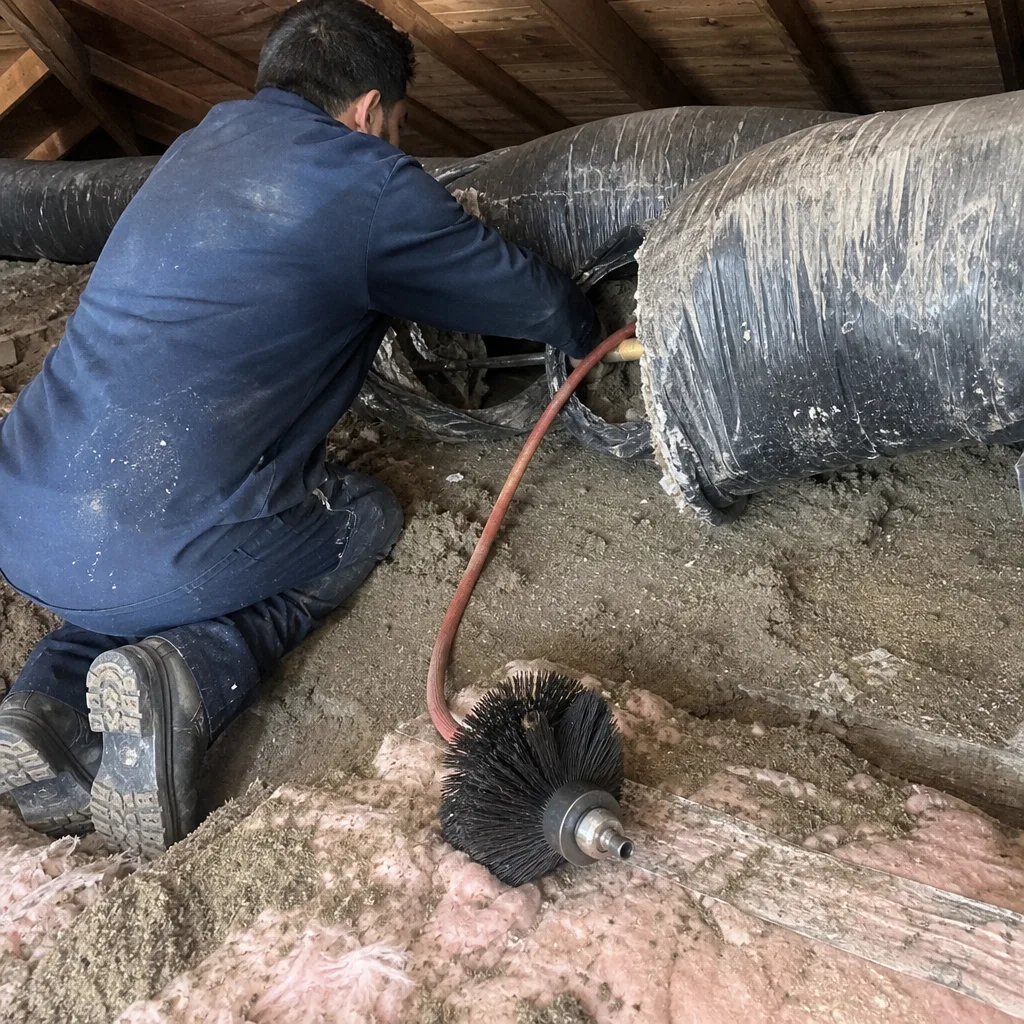 Before
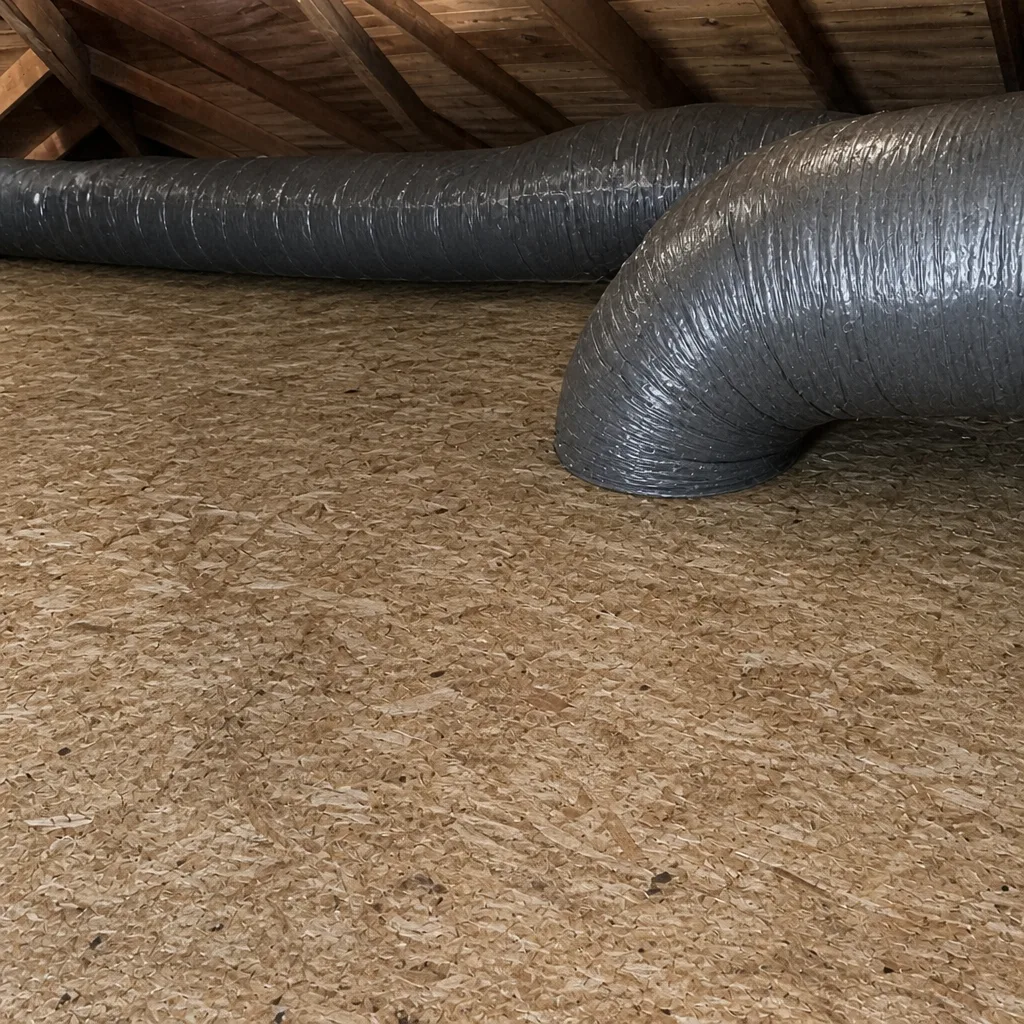 After
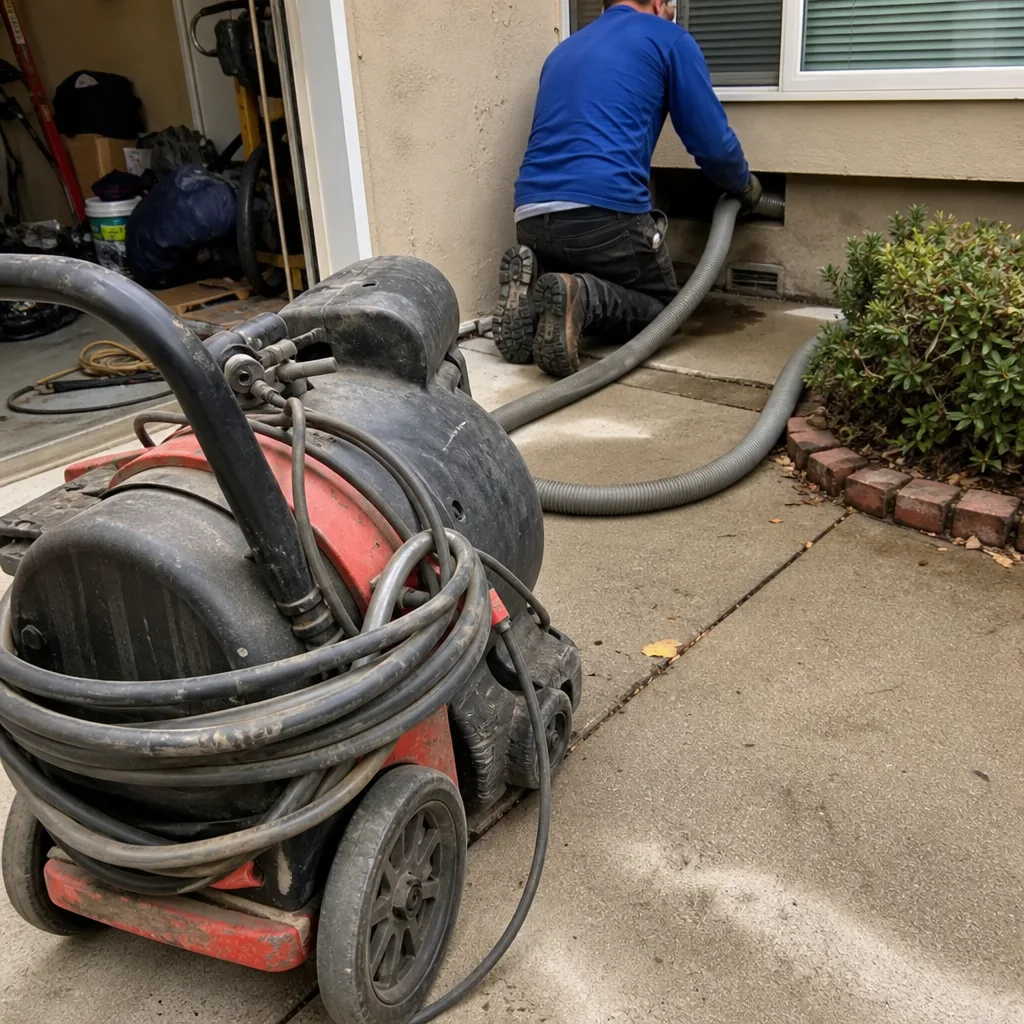 Before
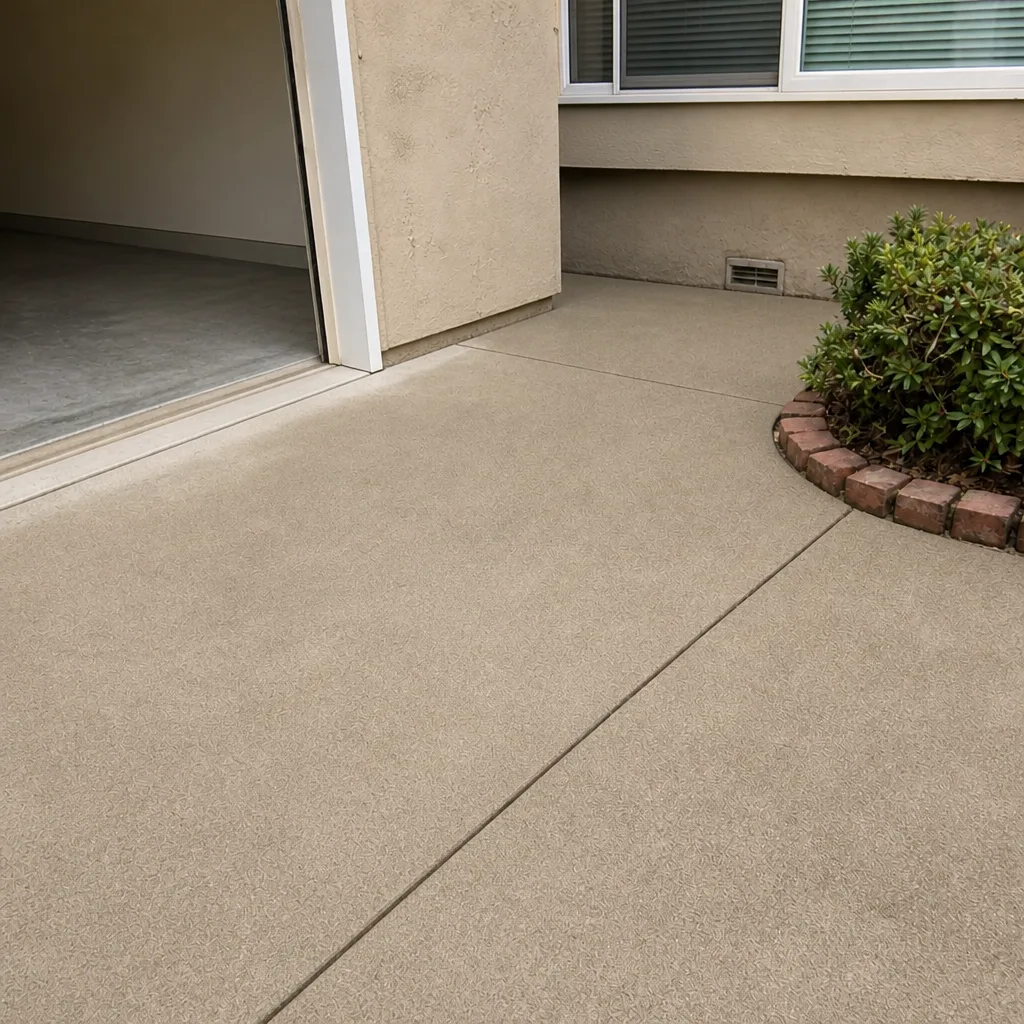 After
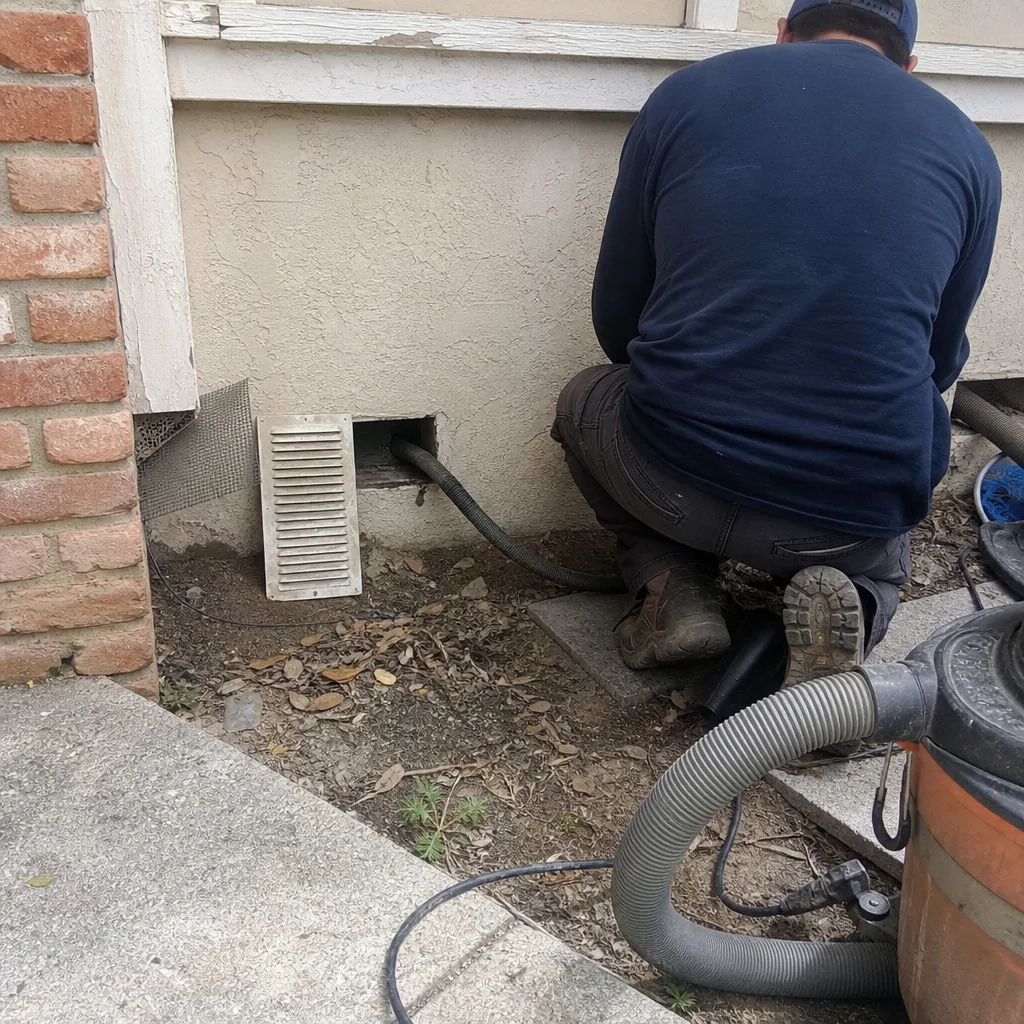 Before
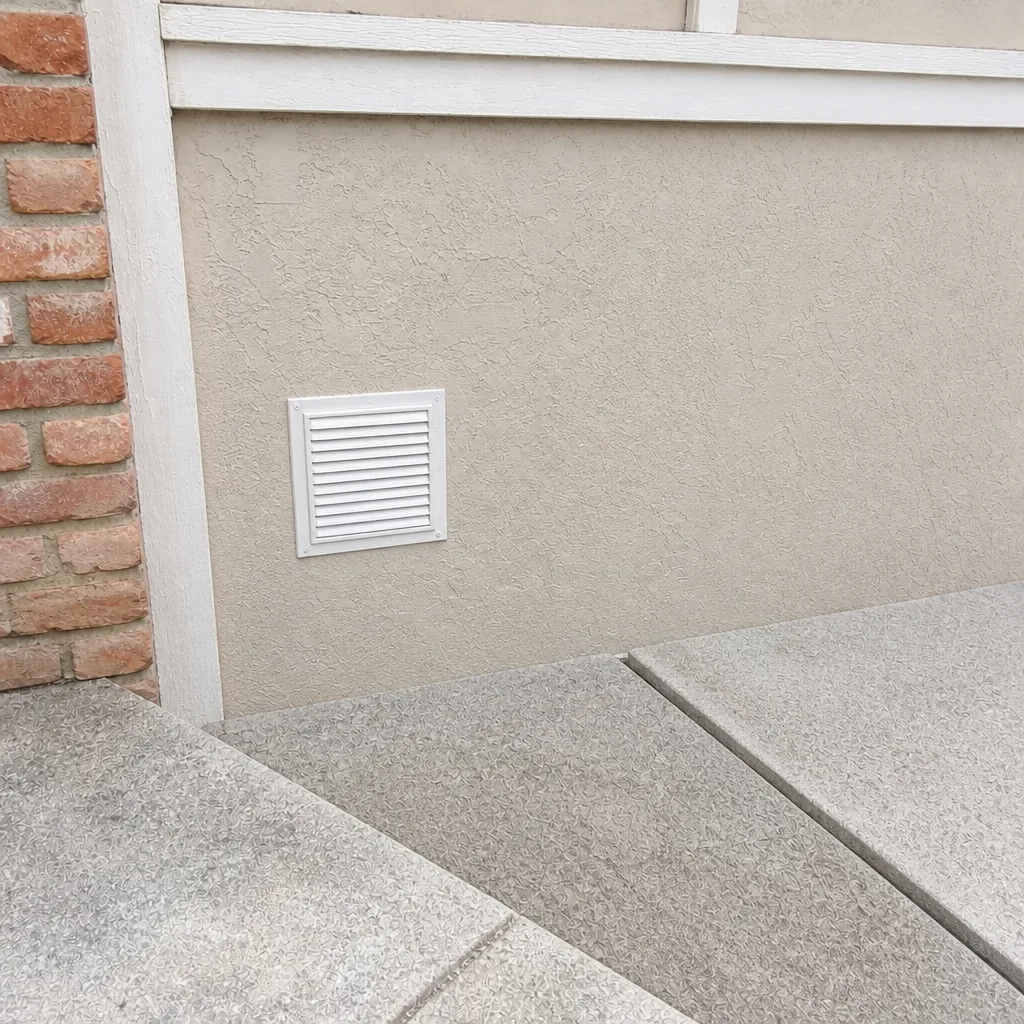 After
When to Call a Professional
If your ducts haven’t been cleaned in years, you’re noticing dust accumulation faster than you used to, or there’s a musty smell when the system runs, a professional cleaning is the right first step. That work needs no permit and gives you a clear picture of your system’s condition. If the cleaning turns up duct damage, disconnected sections, or mold that’s more than surface-level, you’ll need a contractor who can also handle repair. That’s where the permit conversation starts.
Duct Cleaning Hayward offers free estimates in Hayward, and we’ll tell you candidly whether the work you’re considering falls on the cleaning side or the permitted alteration side of the line. Call (833) 589-9902. We answer 24/7. Fast dispatch from 7am to 7pm, Sunday through Friday.
Frequently Asked Questions
No. Air duct cleaning is classified as maintenance, not mechanical alteration, so no permit is required from the Hayward Building Division. However, if the technician performs repair, sealing, or replacement during the same visit, that portion of the work may require a permit.
Generally yes. Sealing duct joints with mastic or tape changes the system’s leakage characteristics and is treated as a mechanical alteration under the California Mechanical Code. Hayward follows the CMC, which means significant sealing work typically requires a permit. Minor pinhole repairs may be treated as maintenance, but a contractor recommending “sealing” as a service should be able to tell you clearly whether a permit applies to your specific scope.
Use the California Contractors State License Board’s free online license lookup. Enter the contractor’s license number or business name, and confirm the license is Active, the classification includes C-20 (Warm-Air Heating, Ventilating and Air-Conditioning), and workers’ compensation insurance is on file. Duct Cleaning Hayward carries its license number on every estimate, and we encourage verification.
Unpermitted duct alterations can trigger disclosure obligations at resale. California requires sellers to disclose known unpermitted work, and a buyer’s inspector may flag duct modifications that don’t match permit records. This can lead to repair conditions, price renegotiation, or closing delays. In Hayward’s active resale market, unpermitted mechanical work is one of the more common transactional complications.
The Bay Area Air Quality Management District’s rules apply when duct work interacts with gas combustion appliances. If duct alterations near a gas furnace change the pressure balance in the combustion appliance zone, the work must still meet the district’s venting standards. Hayward homes with gas furnaces in closets or small utility rooms are particularly relevant here because the CAZ is small and pressure changes are more pronounced.
Yes. Keep the service invoice with the exact scope of work, before-and-after photos, and the names of the equipment used. These records prove the work was done professionally and can support resale disclosures, insurance questions, and future maintenance decisions. For dryer vent cleaning, an invoice also satisfies insurer documentation requests when they ask for proof of professional cleaning.
The Bottom Line
The permit question in Hayward comes down to one distinction: cleaning doesn’t change your duct system, so it doesn’t need a permit. Repair, sealing, and replacement do change the system, and under the California Mechanical Code as adopted by Hayward, those changes require approval from the Building Division. The risks of getting it wrong aren’t theoretical. Unpermitted duct alterations surface at resale, complicate insurance claims, and can affect combustion safety when gas furnaces are involved. The way to protect yourself is simple: know which side of the line your project falls on, verify your contractor’s C-20 license, and keep every piece of documentation. A professional cleaning gives you the full picture of your system. If it also reveals repair needs, you’ll know exactly what questions to ask.
Written by the team at Duct Cleaning Hayward, serving Hayward since 2011.