
Last updated November 4, 2026
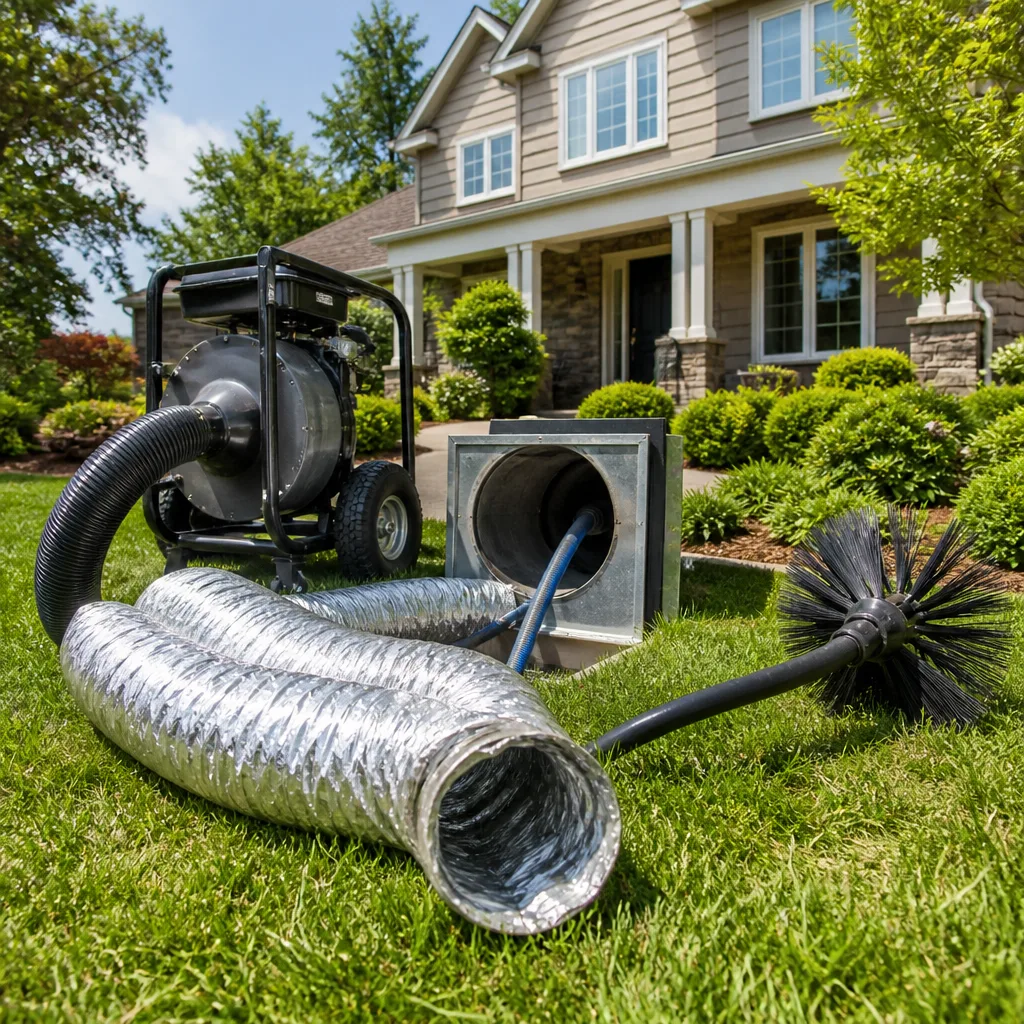 Whole-home duct cleaning
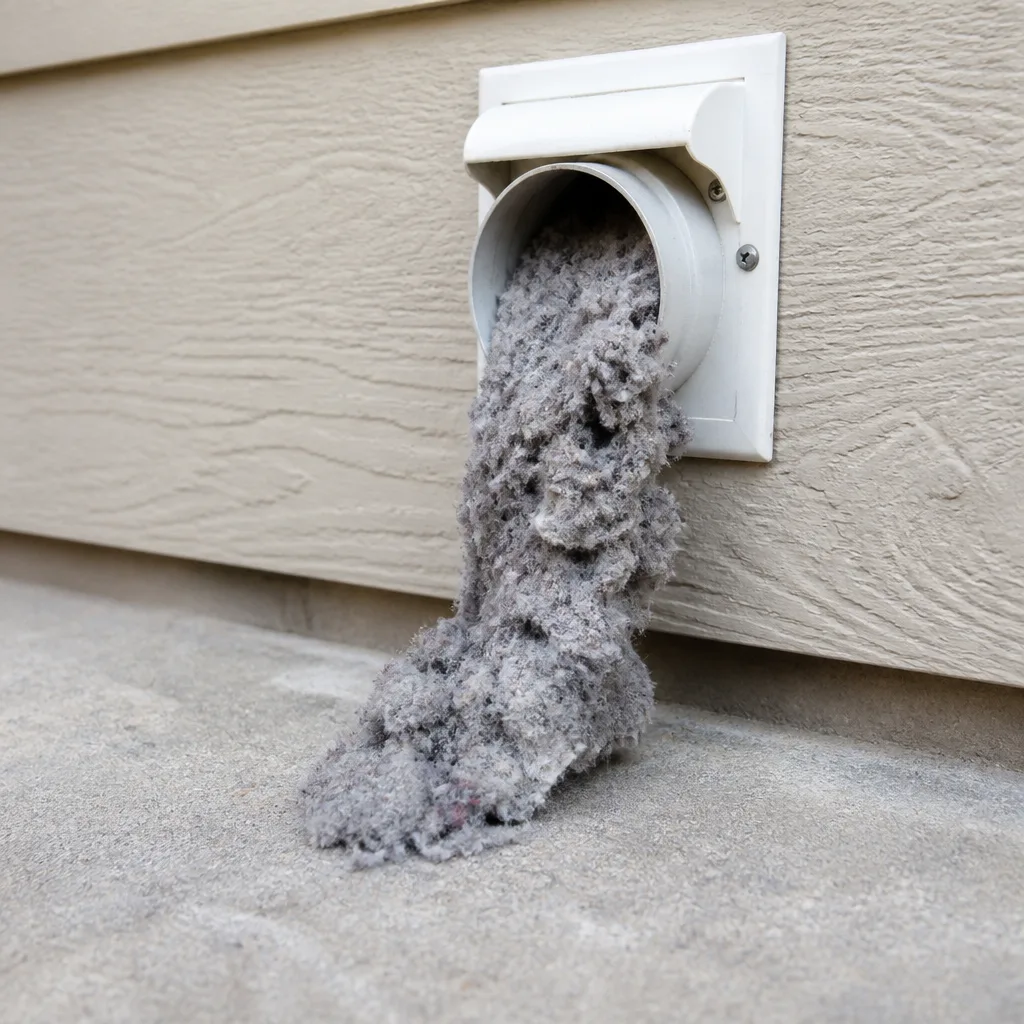 Dryer vent cleaning
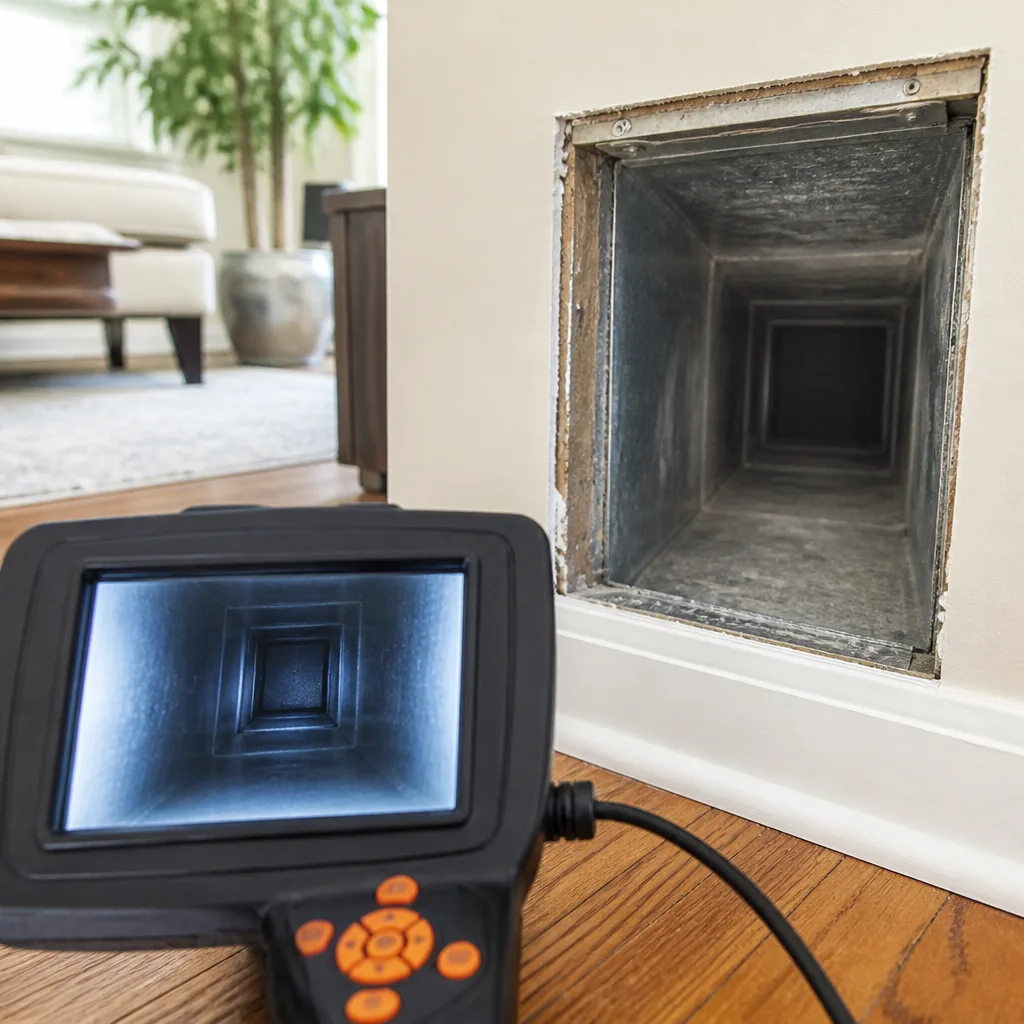 Camera inspection
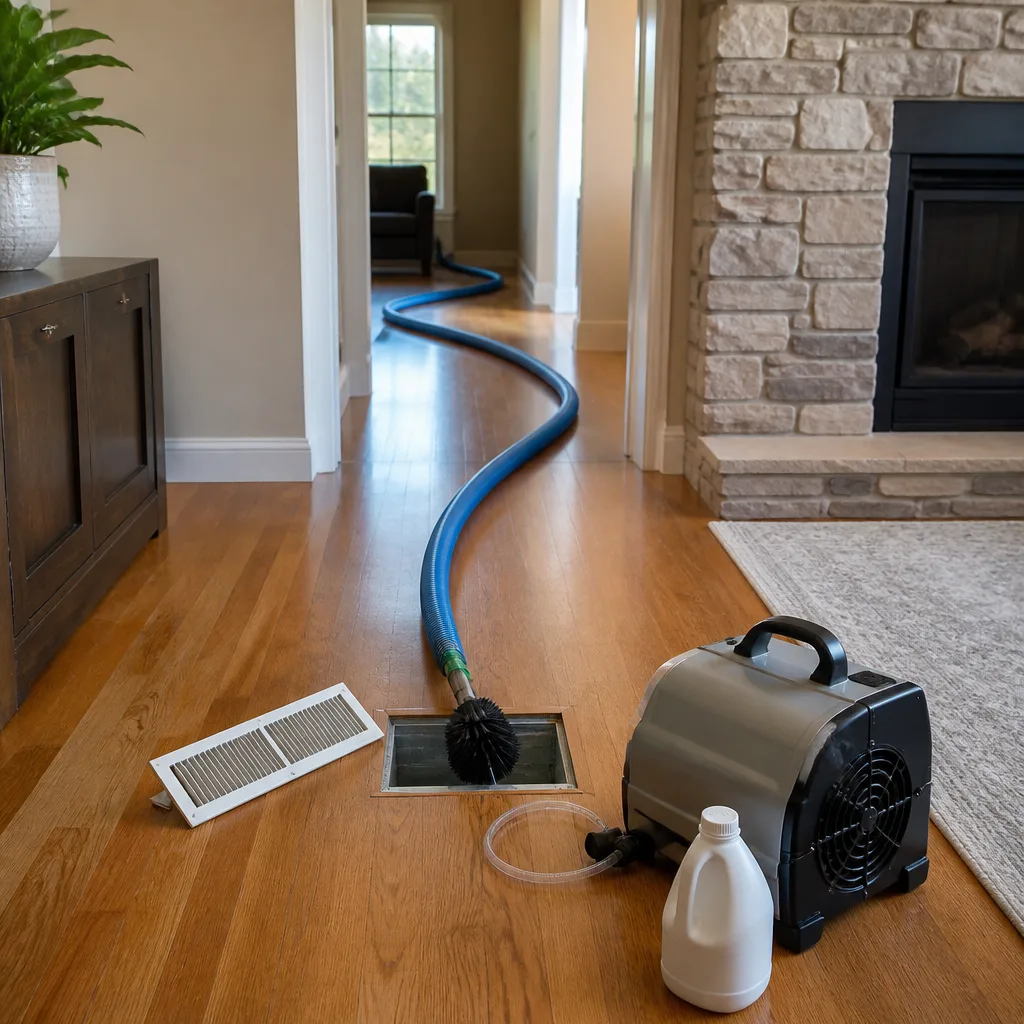 Sanitizing & deodorizing
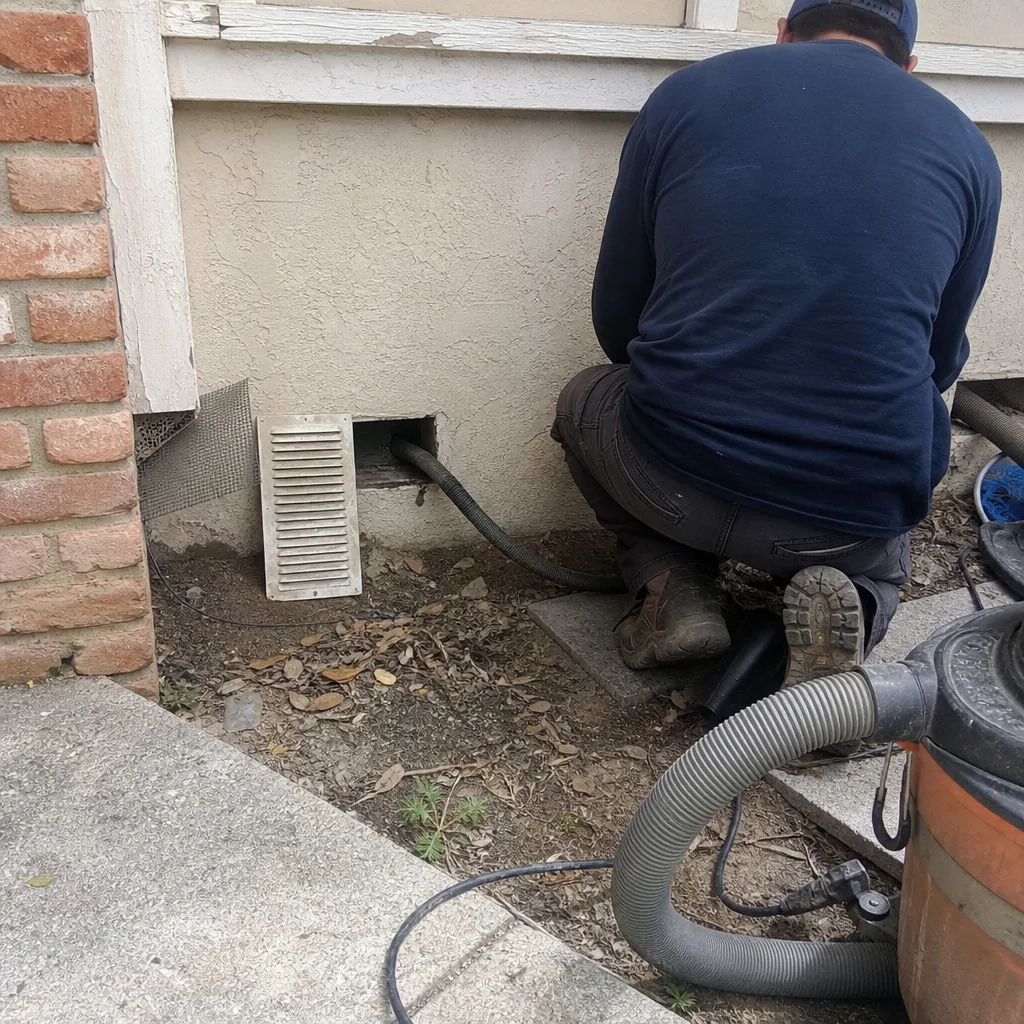
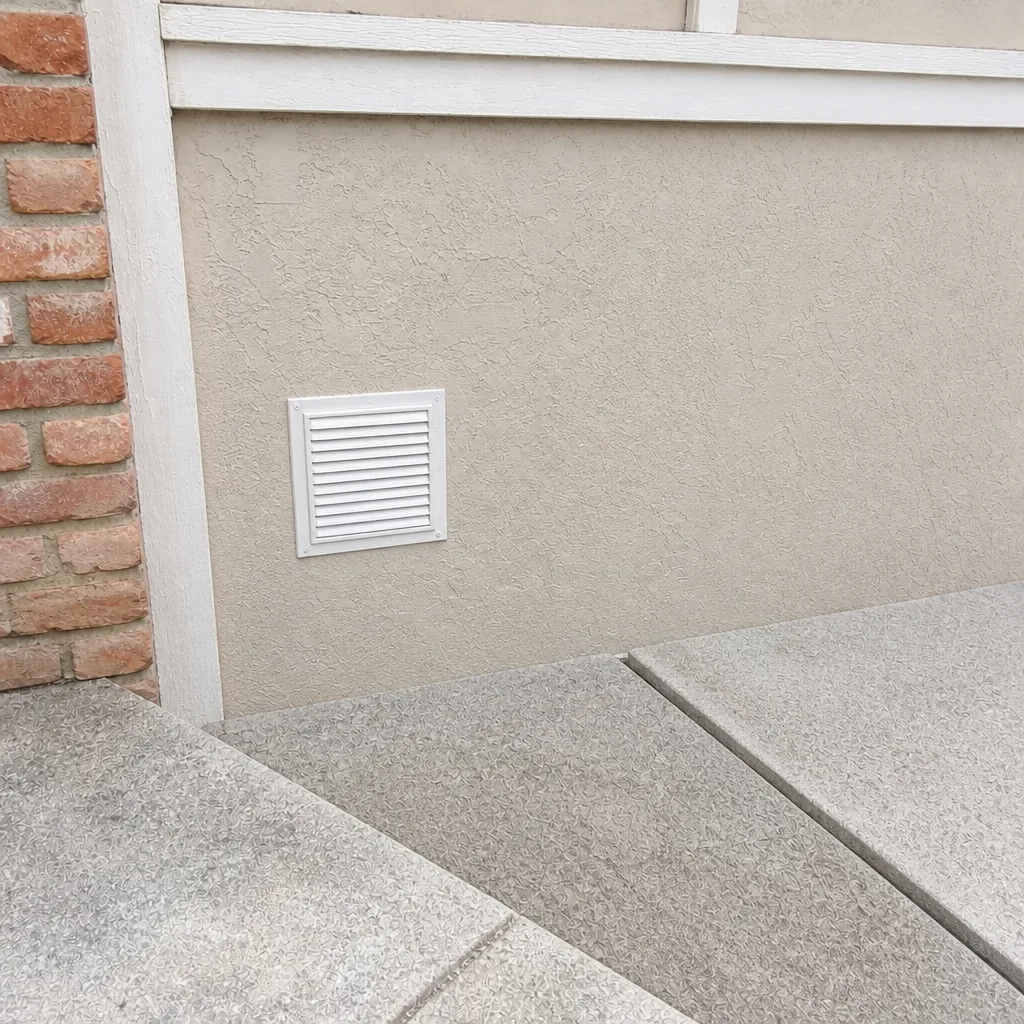
Whole-system duct and dryer vent check with before-and-after photos - you see exactly what came out of your vents
That "$99 whole-house special" is a bait ad - the real number appears once they are in your hallway, or the "clean" is a shop-vac at the register. We photograph the inside of your ducts before and after instead.
Air Duct Cleaning Emergency Preparedness Guide for Hayward Homes
Most homeowners think of emergency preparedness as food storage, bottled water, and flashlight batteries. Few consider that the air distribution system inside their walls is also infrastructure, one that can turn a regional disaster into a persistent indoor air quality problem. During the 2018 Camp Fire smoke event, air quality inside many Bay Area homes with running HVAC systems was often worse than outdoors because ducts were pulling fine particulates into living spaces and recirculating them. Hayward sits in a position where wildfire smoke, seismic activity, and seasonal flooding in low-lying neighborhoods each create distinct duct contamination scenarios. This guide explains how each event affects your system, what to do in the first hours, and when professional cleaning or repair is warranted.
Quick Answer
Air duct cleaning emergency preparedness for Hayward homes means knowing three things: when to shut down the HVAC system during a wildfire smoke event, how to inspect duct connections after an earthquake, and how to document system condition before flood season. Smoke events require immediate high-MERV filtration and a full system assessment afterward; earthquakes commonly disconnect flex ducts at joints, pulling crawlspace air into living spaces; floods demand moisture evaluation within days, not weeks. A professional assessment with Rotobrush or Nikro equipment confirms whether cleaning or repair is actually needed, rather than guessing.
Styles & brands we work with
- Whole-home duct cleaning
- Dryer vent cleaning
- Camera inspection
- Sanitizing & deodorizing
Table of Contents
- Wildfire Smoke Protocol for Hayward Homes
- Post-Earthquake Duct Inspection Priorities
- Flood and Moisture Response for Duct Systems
- Documenting Duct Condition Before Emergency Season
- Temporary Measures That Actually Help
- Common Mistakes to Avoid
- When to Call a Professional
- Frequently Asked Questions
Wildfire Smoke Protocol for Hayward Homes
Wildfire smoke is not a single pollutant. It carries fine particulate matter, volatile organic compounds, and partially combusted carbon that settles into porous surfaces. Your duct system, especially the return-side ductwork and the filter housing, becomes a collection point. The immediate question during a smoke event is whether to run the HVAC system.
Here is the protocol we recommend for Hayward homes when smoke is visible or the AQI exceeds 150:
- Shut the system down first. Do not run the fan with the intention of filtering the air. Standard 1-inch fiberglass filters catch almost nothing in smoke. Running the blower pulls smoke into the return ducts and pushes it through the supply side, coating the interior of the ductwork with fine particulates that will keep off-gassing after the outdoor air clears.
- Install the best filter your system can accept. If you have a Honeywell media cabinet or an Aprilaire filter housing, install the highest MERV filter rated for your equipment, typically MERV 13. If your system only accepts a 1-inch filter, install a MERV 13 1-inch pleated filter temporarily, understanding it may restrict airflow on older systems. Do not run the system continuously with this filter if the equipment is aging or undersized.
- Run the fan only after the outdoor AQI drops below 100. Once smoke clears, run the system fan on the “on” setting for two to four hours with the high-MERV filter installed. This cycles indoor air through filtration and captures residual particulates in the living space.
- Inspect the filter. A filter that was white before the event and is brown, gray, or covered in fine soot afterward indicates the system pulled significant smoke. This is the signal that duct cleaning is likely warranted.
- Request a post-event assessment. A professional air duct cleaning evaluation in Hayward should look for soot deposition on the supply registers, inside the return plenum, and on the blower housing. If visible coating is present, cleaning with Rotobrush or Nikro agitation systems removes what a simple filter change cannot.
One common misconception is that smoke only affects the filter. Smoke particles under 2.5 microns pass through media and adhere to the duct lining through electrostatic attraction. That coating persists. In our experience, homes in Hayward that ran their systems continuously during heavy smoke events needed full duct cleaning afterward, while homes that shut down early often only needed filter replacement and a light register wipe. The difference is hours, not days.
Post-Earthquake Duct Inspection Priorities
Hayward sits directly on the Hayward Fault. Seismic activity is not theoretical here, and duct system damage from even moderate shaking follows a predictable pattern. The most common failure is flex duct disconnection at joints. These connections use zip ties or draw bands, and lateral movement pulls them loose. When a flex duct separates at a joint, the system begins pulling unfiltered air from the crawlspace or attic into the living space. This is not a subtle problem. You will notice reduced airflow from certain registers, a sudden increase in dust accumulation, musty odors, and possibly warmer or cooler air than expected from specific rooms.
The inspection priorities after any significant shaking in Hayward are:
1. Visual inspection of accessible duct connections
Look at every register and every accessible section of ductwork. In crawlspaces and attics, check where flex duct meets rigid duct, where it meets the supply plenum, and where it connects to register boots. A separated joint may show a visible gap, a collapsed inner liner, or hanging insulation.
2. Listen for airflow changes
Turn the system fan on and walk the house. A room that previously received strong airflow but now gets little or none often has a disconnected branch line. The air is still moving, just into the attic or crawlspace instead of the room.
3. Check for new dust patterns
A disconnected return duct pulls crawlspace or attic air into the system. Within days, you may notice fine dust accumulating on surfaces near supply registers, or a general increase in household dust that was not present before the event.
4. Check condensate lines and drain pans
Shaking can shift the evaporator coil, cracking the drain pan or disconnecting the condensate line. Water that pools near the indoor air handler is a sign of this. Standing water in or near the air handler introduces mold risk quickly in Hayward’s mild climate.
Flex duct disconnection is not something we repair with duct tape. It requires proper reconnection with appropriate fasteners and sometimes replacement of the damaged flex section. Our air duct cleaning service often reveals connection damage that homeowners cannot see from the living space. If we find a disconnected or torn flex duct during cleaning, we can repair it as a standalone service rather than leaving it for another contractor. That is the practical difference between cleaning a system and knowing whether the system is actually sound.
Flood and Moisture Response for Duct Systems
Hayward’s low-lying neighborhoods, particularly those near San Lorenzo Creek and along the flatlands west of Mission Boulevard, experience periodic flooding during heavy winter rains. When water enters a home, the duct system becomes a hidden moisture reservoir. Sheet metal ducts running through a flooded crawlspace sit in humid air or standing water. Flex duct insulation wicks moisture. The interior of the duct, which is dark and now humid, becomes a biological growth environment.
The timeline matters more than most homeowners realize:
- First 48 hours: Ducts in a flooded area begin absorbing moisture. Sheet metal interiors develop condensation. Fiberglass duct liner and flex duct insulation start retaining water. This is the window where drying efforts are most effective.
- Days 3 through 7: If ducts have not dried, microbial growth begins. The musty odor that appears is often the first sign. This is the point where cleaning may still be sufficient if the duct material is sound.
- Beyond 7 days: Prolonged moisture demands more than cleaning. Duct liner, flex duct, and even sections of sheet metal may need replacement. The longer the delay, the more extensive the repair.
For Hayward homeowners after a flood event near their ductwork, the immediate priority is dehumidification of the crawlspace or affected area. Running the HVAC system to “dry things out” is the wrong response. It pulls humid air through the ducts and spreads moisture into every room. Shut the system down until the standing water is removed and the crawlspace relative humidity is dropping.
If the water reached the air handler or flooded ductwork directly, professional assessment is non-negotiable. Cleaning with Abatement Technologies filtration equipment can address particulate contamination, but water-damaged flex duct or liner may need replacement regardless of how thoroughly it is cleaned. We tell Hayward homeowners the honest truth: cleaning cannot restore duct material that has been soaked. It can only remove what is on the surface of sound material. Knowing the difference is why a specialist assessment matters.
Documenting Duct Condition Before Emergency Season
Most insurance claims fail on documentation, not on damage. After an earthquake or flood, the insurance adjuster will ask what the duct system looked like before the event. If you cannot show pre-event condition, you are arguing from memory. We recommend Hayward homeowners create a simple duct system record before each emergency season. This is not complicated, and it takes under an hour.
- Photograph every visible duct component. Take photos of each supply register and return grille with the cover removed. Capture the interior of the return plenum if accessible. Photograph any exposed ductwork in the crawlspace, attic, or garage. Date the photos.
- Record your filter type and last replacement date. Write down the filter size, MERV rating, and brand. Note when it was last replaced. This establishes maintenance history.
- Note any existing damage. If a flex duct was already sagging, a register boot was loose, or a return grille was dented, photograph it and write a one-line description. Pre-existing damage is excluded from most emergency claims, but only if you can prove it existed beforehand.
- Keep a copy of your last professional cleaning or inspection. If Duct Cleaning Hayward has serviced your system, keep the service record. It establishes a baseline of system condition.
- Store this documentation offsite or in the cloud. A folder on a phone that is lost in a flood does not help. Use cloud storage or email the file to yourself.
This documentation serves three purposes. It supports insurance claims. It gives a professional a baseline for post-event comparison. And it forces you to look at your duct system at least once a year, which catches small problems before they become emergency problems. Nobody regrets having a pre-event record. Many Hayward homeowners regret not having one.
Temporary Measures That Actually Help
When a disaster event is ongoing or just past, professional service may not be immediately available. Some temporary measures genuinely help. Others make things worse. Here is the difference.
What actually helps
- Closing supply registers in rooms you are not using after a smoke event reduces the volume of contaminated air circulating. This is a temporary measure, not a solution.
- Placing a standalone HEPA air purifier in the primary living space and bedroom helps capture fine particulates that the HVAC system missed. Look for a unit sized for the room.
- Covering supply registers with damp cheesecloth or a clean cotton cloth during active smoke can reduce particulate deposition on furniture. This restricts airflow and should not be left in place for more than a day or two.
- Dehumidifying affected areas after a flood with a portable dehumidifier is the single most useful temporary action. Reduce the moisture load and the duct drying timeline shortens significantly.
What makes things worse
- Running the HVAC fan to “clear out” smoke or odors. This distributes contaminants throughout the duct system and into every room. It is the single most common response and the single most damaging one.
- Sealing off supply registers with plastic sheeting during a flood event without also addressing the return side. Moisture trapped inside the ducts accelerates biological growth.
- Using scented air fresheners or deodorizers after an event. These mask odors and add volatile organic compounds to air that may already carry smoke or microbial contamination. They do nothing for the source.
- Attempting to clean accessible duct sections with a household vacuum. A standard vacuum does not have the filtration or agitation capability to remove adhered particulates. It often resuspends them into the living space. Professional Rotobrush and Nikro systems combine mechanical agitation with HEPA filtration, which a residential machine cannot replicate.
The principle is simple: if an action moves air through contaminated ducts, it spreads contamination. If an action removes moisture or filters air locally, it helps. When in doubt, leave the system off and call for a professional assessment.
Common Mistakes to Avoid
- Assuming smoke damage is just a filter problem. Fine particulates coat the entire duct interior, not just the filter media. A filter change without duct cleaning leaves the coating in place, and it continues releasing particles for months.
- Running the system during an active smoke event to “filter the air.” Standard filters catch a small fraction of smoke particles. The blower pulls smoke deeper into the system and coats duct surfaces that were previously clean. Shut it down early and keep it off until the outdoor air clears.
- Ignoring reduced airflow from one or two rooms after an earthquake. A disconnected flex duct is not a comfort issue. It is pulling crawlspace or attic air into the living space. The air quality in those rooms is now unfiltered and potentially contaminated.
- Waiting to address flood moisture because “it will dry on its own.” Ducts in a humid crawlspace dry slowly, and the interior surface is dark and warm. If drying takes longer than about a week, microbial growth becomes likely. The duct material may reach a point where cleaning is insufficient and replacement is required.
- Hiring a budget duct cleaning company after an emergency without checking equipment. A shop-vac with a spinning brush attached cannot extract what a professional Rotobrush or Nikro system can. The tool matters, especially when you are dealing with smoke deposition or post-flood particulate. Ask what equipment they use before you book.
- Failing to document pre-existing duct condition. Without photos and a maintenance record, an insurance claim after an earthquake or flood is a negotiation without evidence. Ten minutes of documentation before the event is worth thousands in claim value after it.
- Masking odors after an event instead of finding the source. A musty smell after a flood or a persistent smoky odor after a fire event means the source is still present. Scented products add to the problem. The source is usually in the ducts, the filter, or the duct insulation.
When to Call a Professional
Some situations clearly call for professional duct service. If your Hayward home has been through a wildfire smoke event and you ran the system during it, a professional assessment determines whether the duct interiors need cleaning or whether a filter change was sufficient. After an earthquake, if you notice airflow changes, new dust, or musty odors, the duct connections need inspection and likely repair. After a flood, if standing water was near ductwork or the crawlspace remained humid for more than a few days, professional evaluation is the responsible step. A dryer vent cleaning is also worth scheduling during any emergency assessment, since the same events that compromise duct systems often introduce lint and debris into vent lines. Duct Cleaning Hayward offers free estimates in Hayward. Call (833) 589-9902. We answer 24/7. Fast dispatch from 7am to 7pm, Sunday through Friday.
Frequently Asked Questions
No. Shut the system down when smoke is visible or the AQI exceeds 150. Running the fan pulls smoke into the return ducts and coats the interior of the ductwork with fine particulates that persist after the outdoor air clears. Install the highest MERV filter your system accepts, wait for the outdoor AQI to drop below 100, then run the fan to filter indoor air. Call (833) 589-9902 for a post-event assessment.
The most common sign is reduced airflow from specific rooms, caused by flex duct disconnection at joints. You may also notice new dust accumulation near supply registers, musty odors, or visible separation where flex duct meets rigid duct in the crawlspace or attic. A professional inspection confirms whether cleaning or repair is needed. Call (833) 589-9902 for an estimate.
Ducts that remain wet for more than about seven days often reach a point where cleaning is insufficient, because the duct material itself has absorbed moisture and begun supporting microbial growth. The first 48 hours are the critical drying window. Shut the system down, dehumidify the affected area, and get a professional evaluation within days, not weeks.
A standard 1-inch fiberglass filter removes very little smoke. Most smoke particles are under 2.5 microns and pass through low-efficiency media. A MERV 13 filter offers meaningful smoke particle capture, but only if installed before the event and only if the system can handle the airflow restriction. After a smoke event, the filter tells you whether the ducts need cleaning: heavy soot loading on the filter means soot deposition on the duct walls is likely.
Photograph every visible duct component with covers removed, including supply registers, return grilles, and exposed ductwork in the crawlspace or attic. Record your filter size, MERV rating, and last replacement date. Note any existing damage such as sagging flex duct or loose register boots. Store the documentation in the cloud. This record supports insurance claims and gives a professional a baseline for post-event comparison.
The difference is usually equipment. A company using a residential shop-vac setup cannot generate the agitation or filtration needed to remove adhered smoke particulates or post-flood contamination. Professional systems like Rotobrush and Nikro combine mechanical brushing with high-efficiency filtration to extract what is actually in the duct. Ask what equipment the company uses. Call (833) 589-9902 and ask us directly.
The Bottom Line
Emergency preparedness in Hayward means planning for the events this region actually produces: wildfire smoke, seismic activity, and periodic flooding. Each creates a distinct duct contamination scenario, and each requires a distinct response. Smoke demands early system shutdown and high-MERV filtration followed by proper assessment. Earthquakes demand connection inspection, because flex duct disconnection is the most common damage and it introduces crawlspace air into living spaces. Floods demand rapid moisture reduction and honest evaluation of whether the duct material is salvageable. Document your system before emergency season, understand which temporary measures help and which worsen contamination, and call a professional when the event is over. Your ducts work invisibly until they don’t. When they fail, the air in every room pays the price.
Written by the team at Duct Cleaning Hayward, serving Hayward since 2011.
See the difference
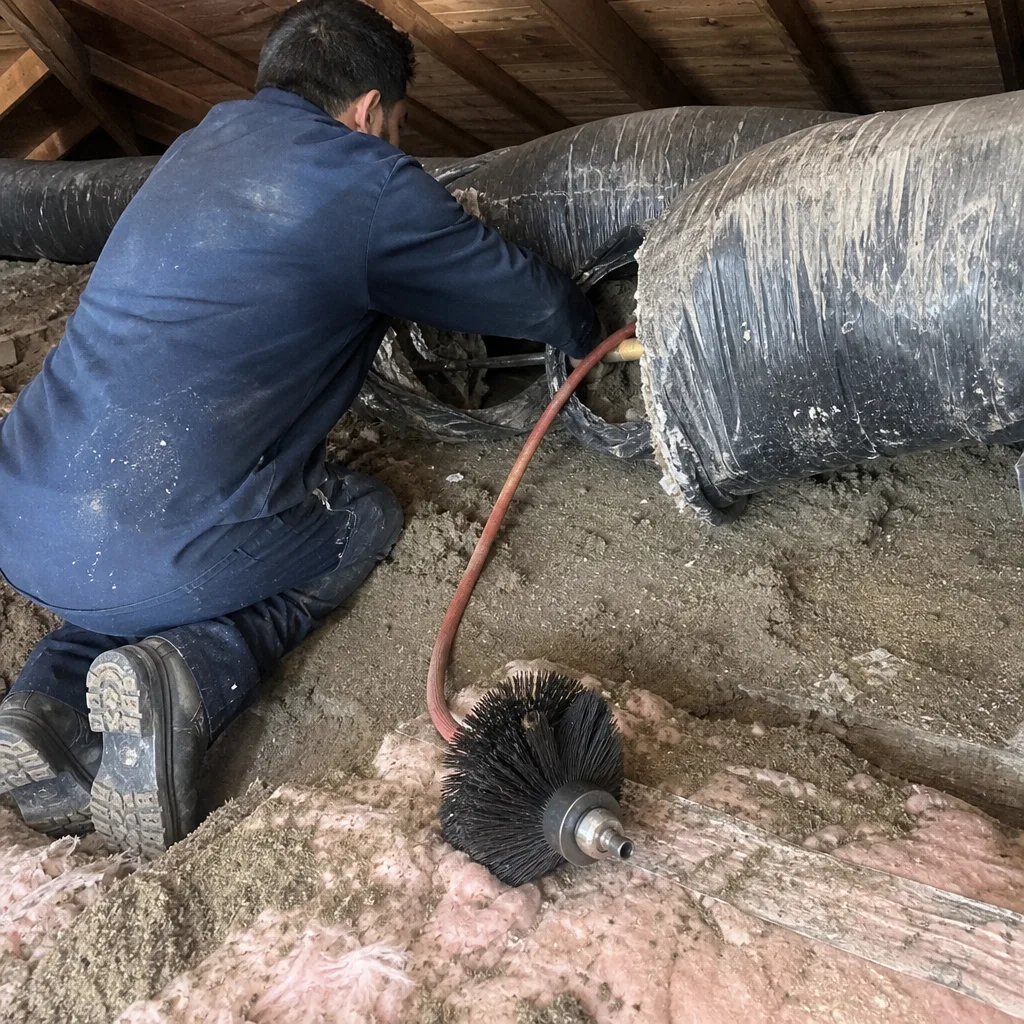 Before
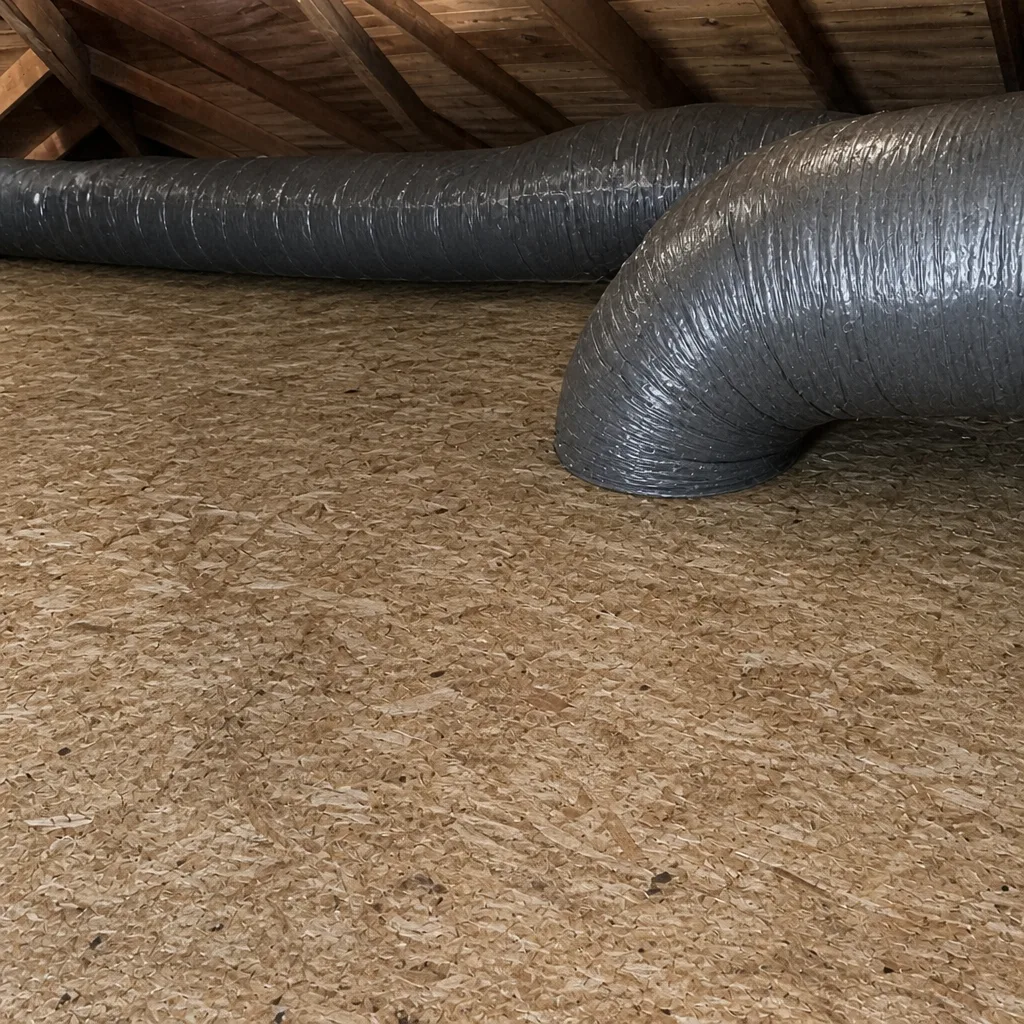 After
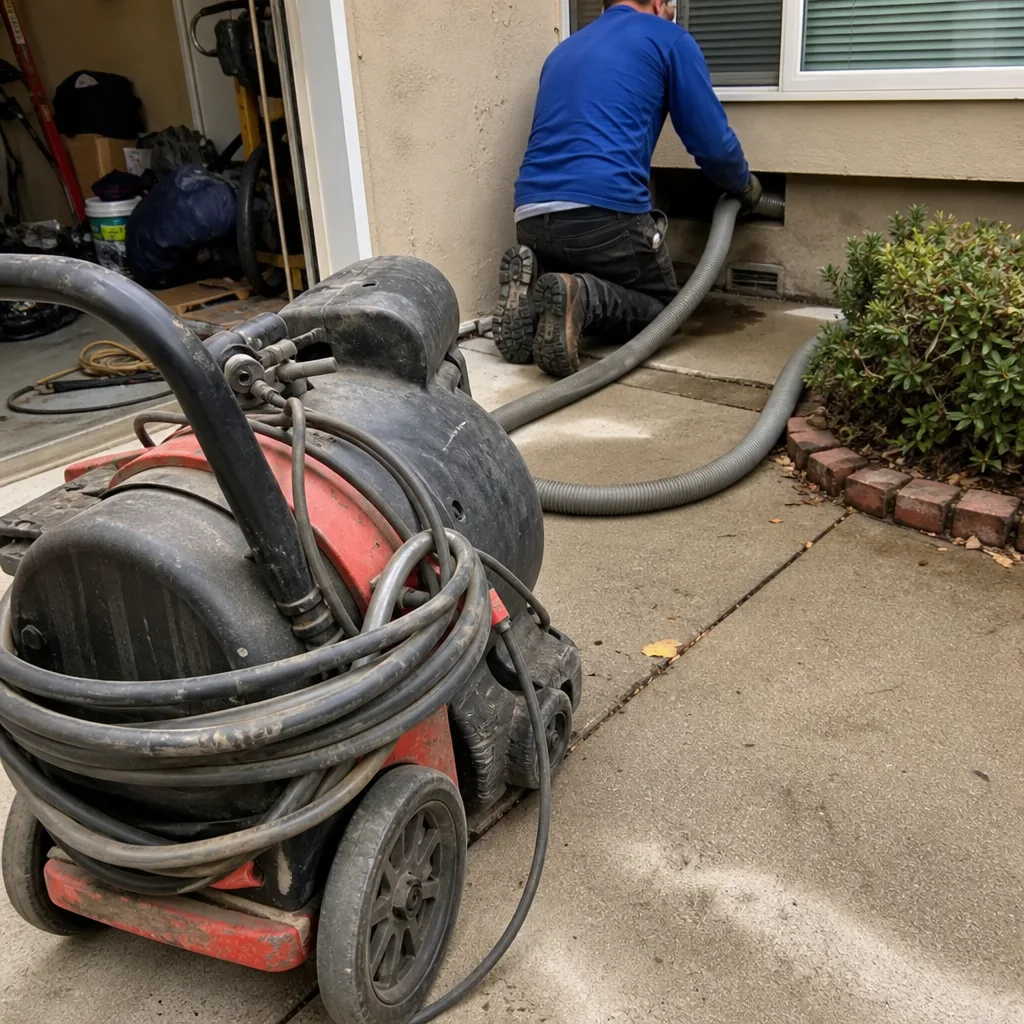 Before
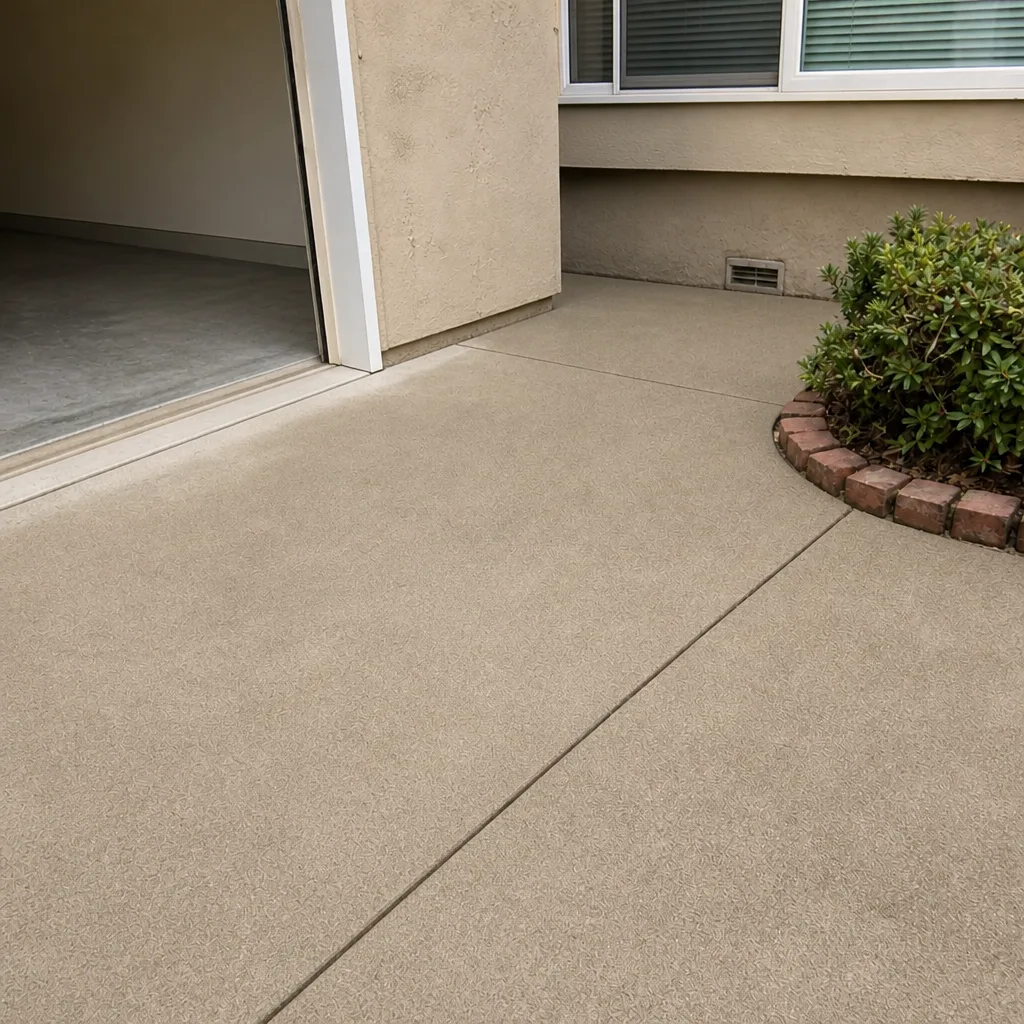 After
 Before
 After