
Last updated November 4, 2026
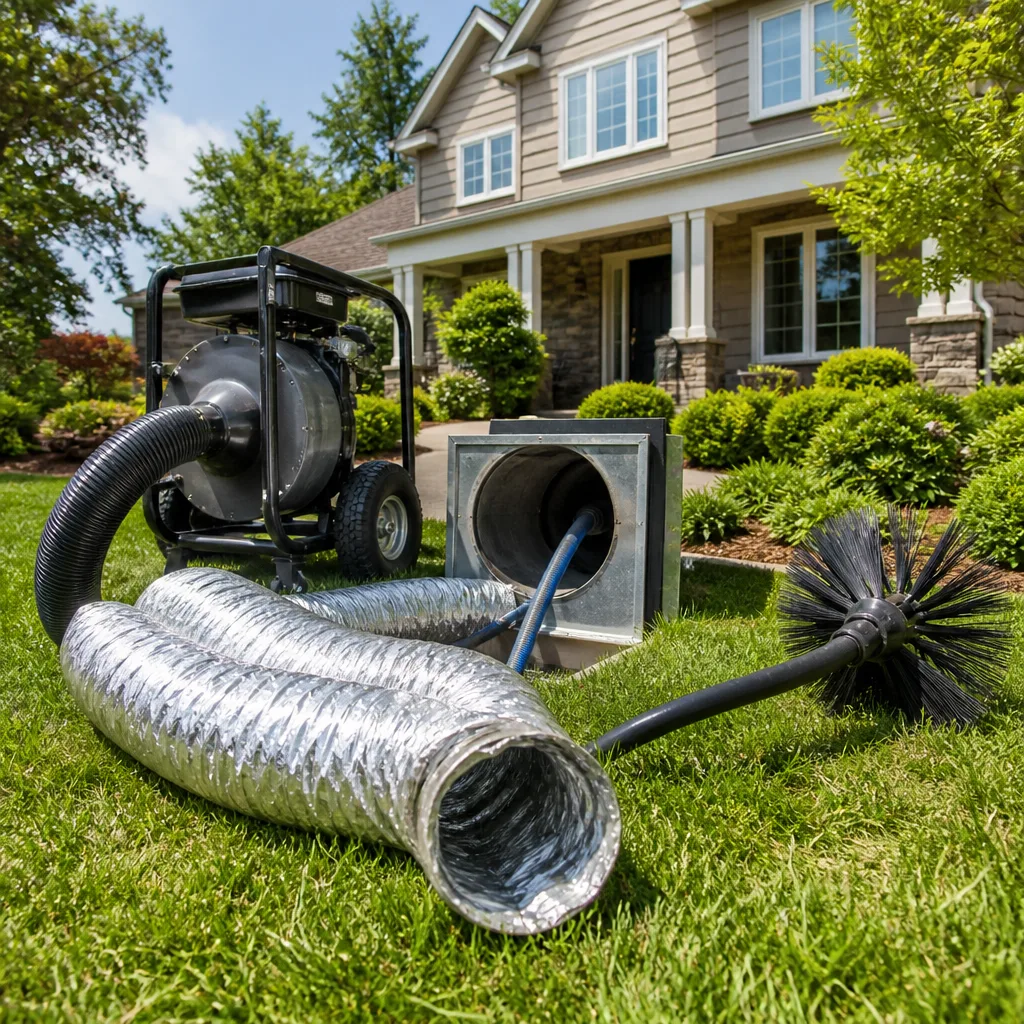 Whole-home duct cleaning
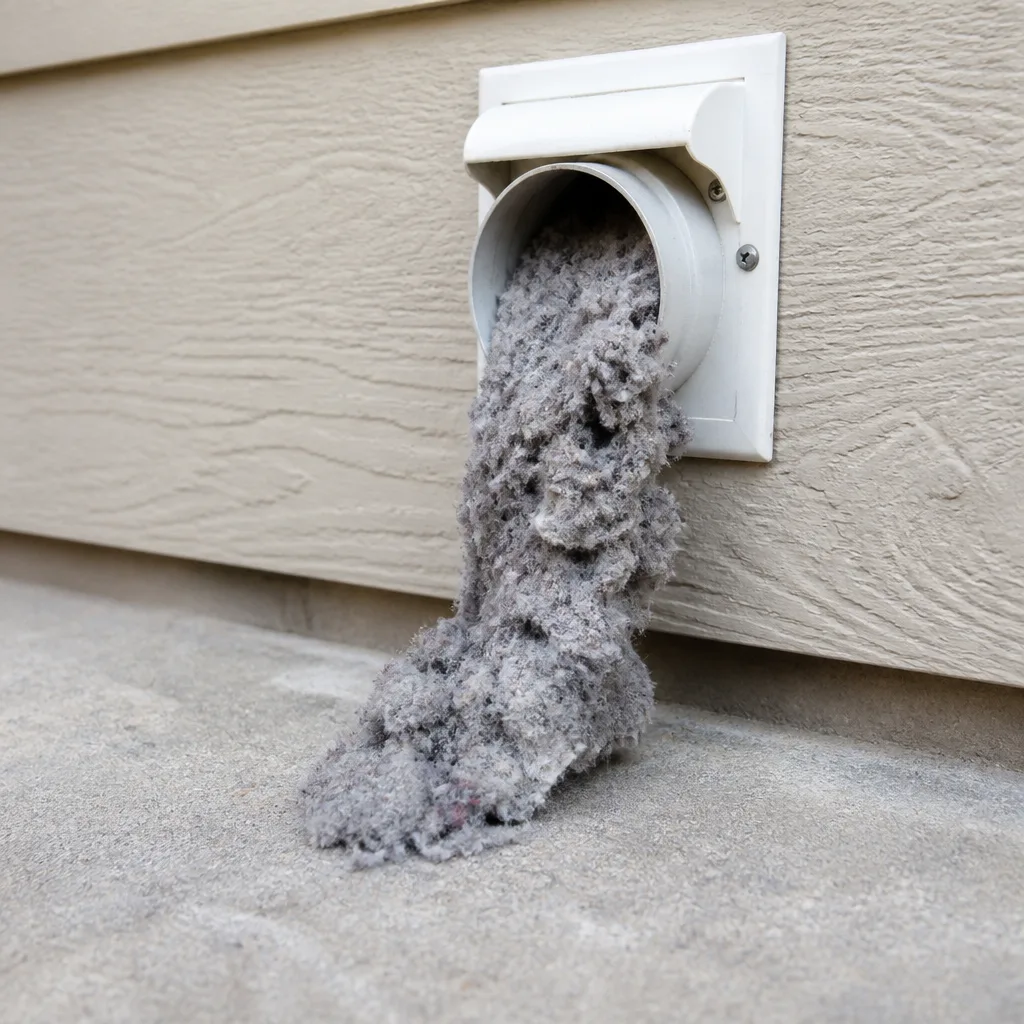 Dryer vent cleaning
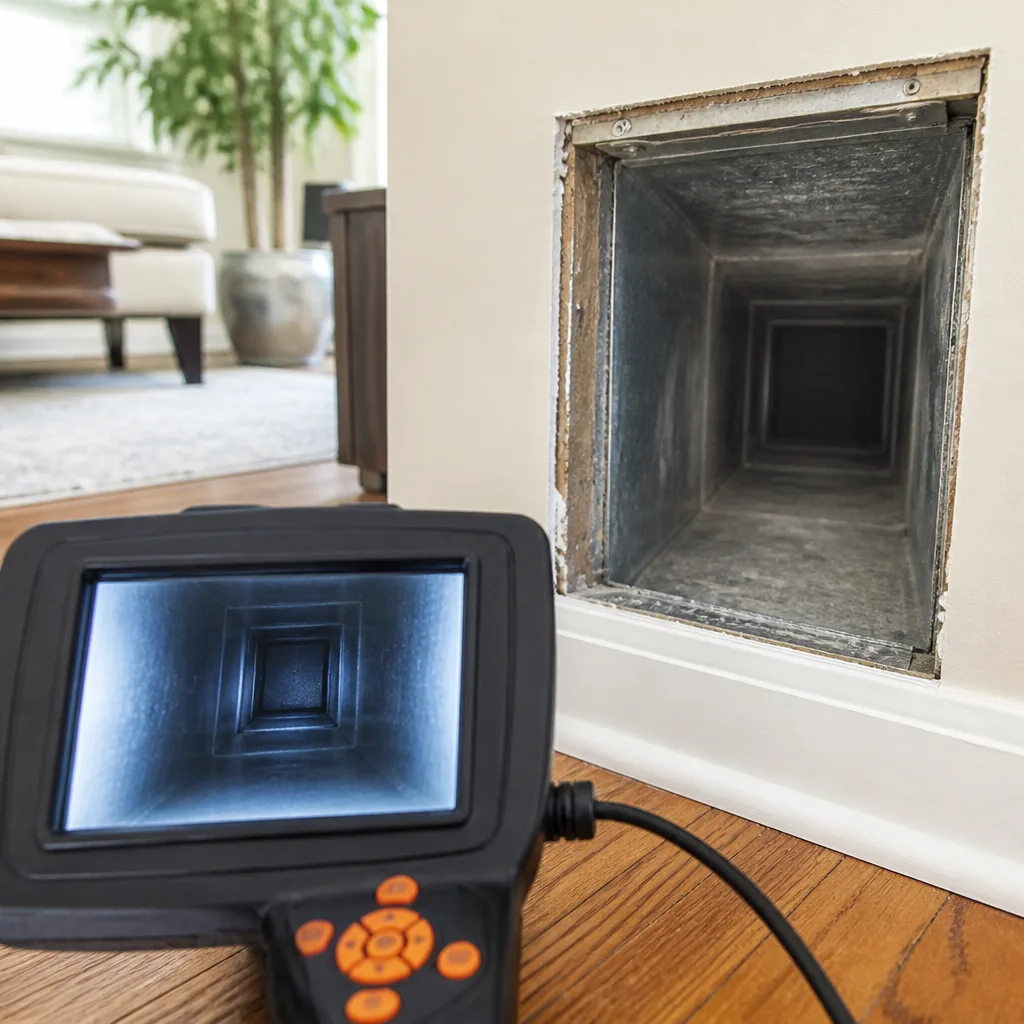 Camera inspection
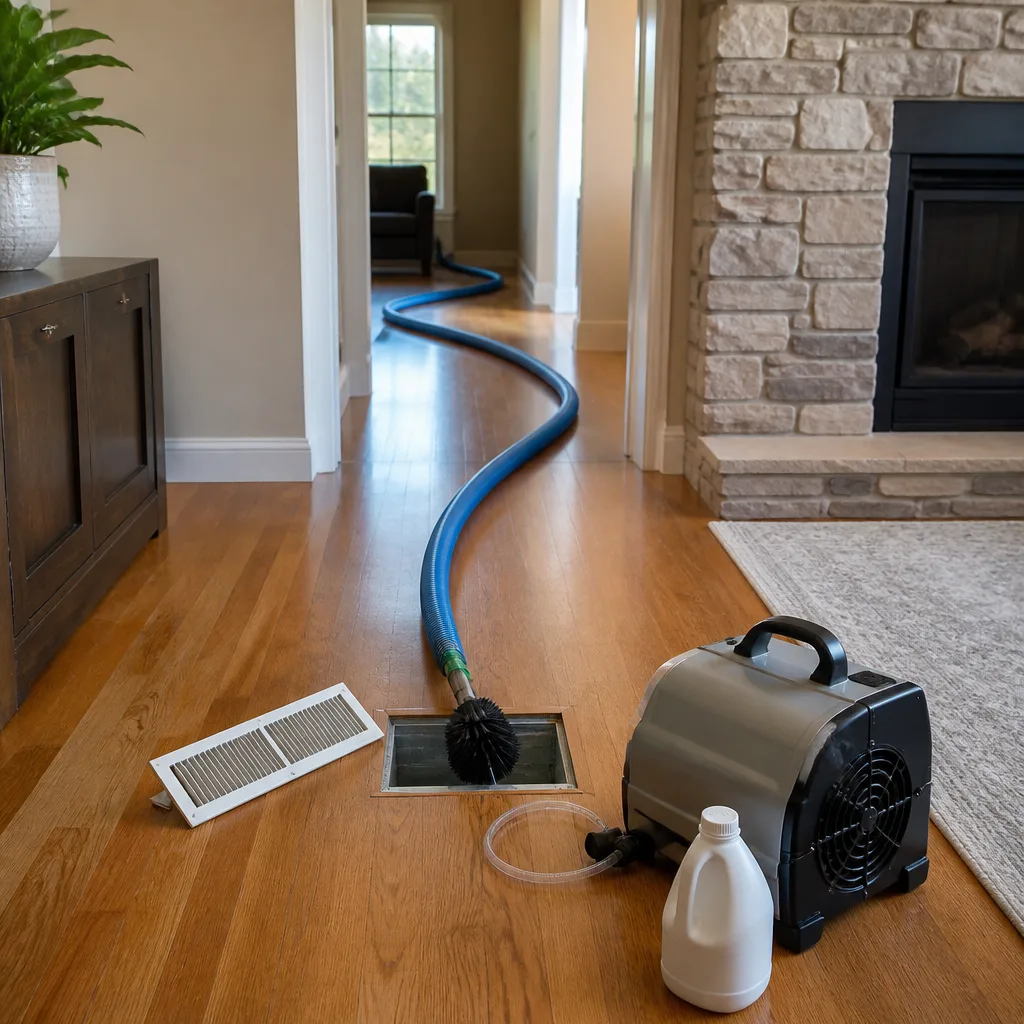 Sanitizing & deodorizing
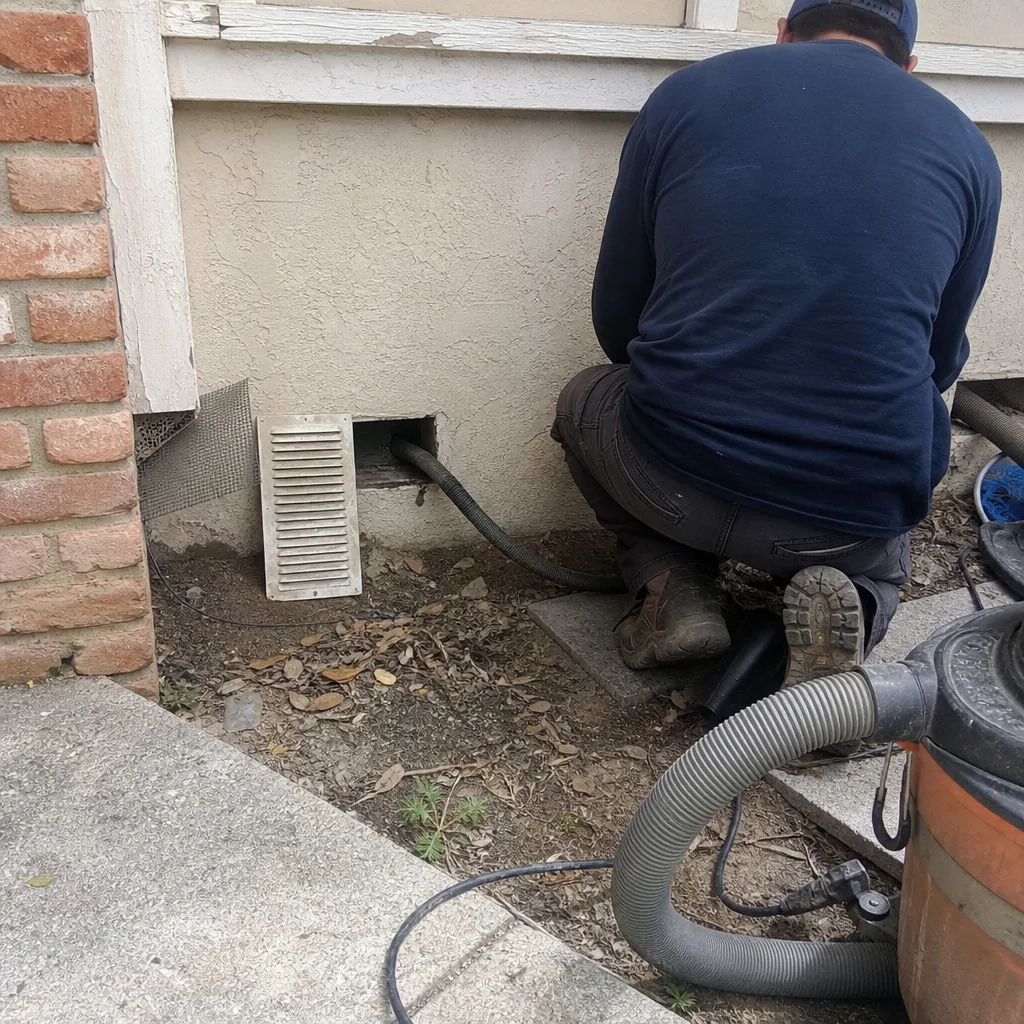
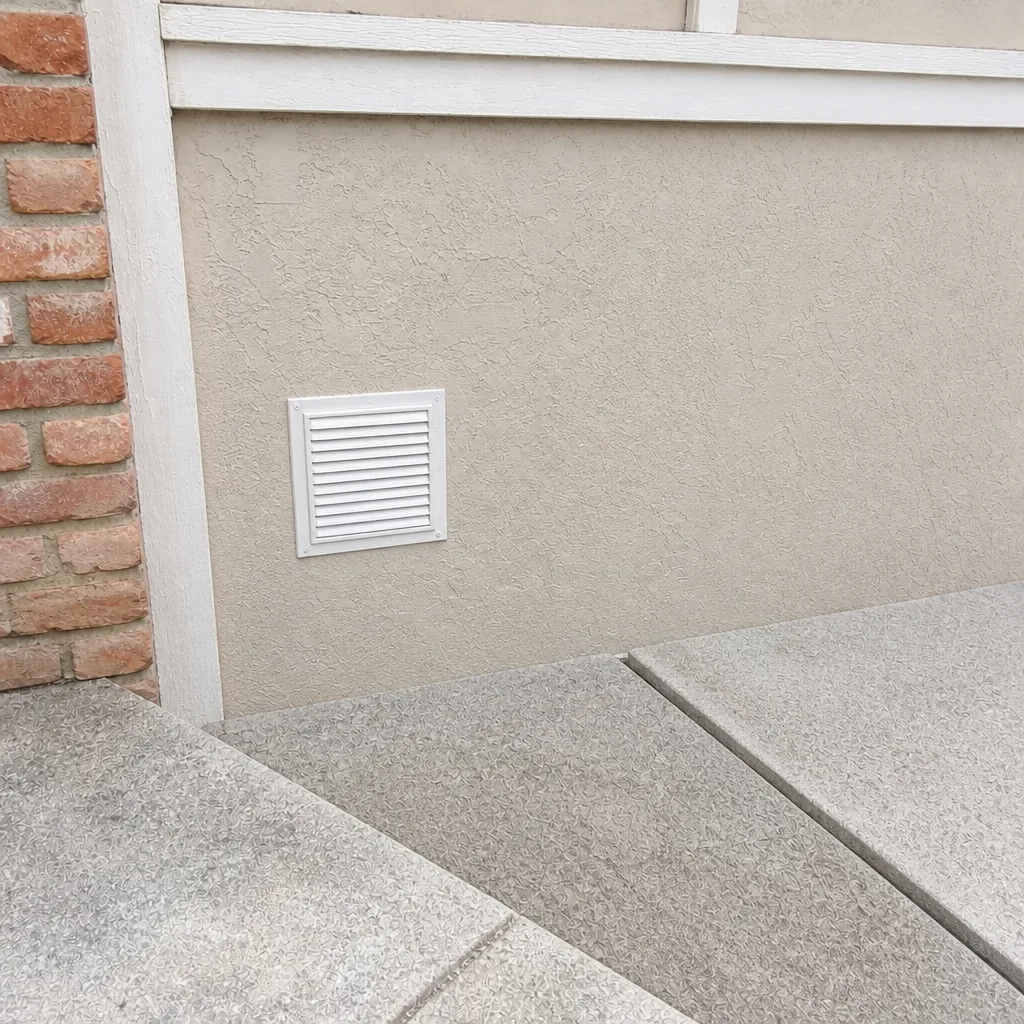
Whole-system duct and dryer vent check with before-and-after photos - you see exactly what came out of your vents
That "$99 whole-house special" is a bait ad - the real number appears once they are in your hallway, or the "clean" is a shop-vac at the register. We photograph the inside of your ducts before and after instead.
Air Duct Cleaning Cost Breakdown: The Hayward Homeowner’s Reference for 2026
A $175 duct cleaning quote and a $650 duct cleaning quote in Hayward can both be legitimate, but they are not the same service. One might involve a technician with a portable vacuum spending forty-five minutes inside your home. The other likely means a truck-mounted negative pressure system, a full trunk line cleaning, and two or three hours of meticulous work. This guide will show you the three equipment and labor variables that drive that price difference, so you can decide which level of service your Hayward home actually needs.
Styles & brands we work with
- Whole-home duct cleaning
- Dryer vent cleaning
- Camera inspection
- Sanitizing & deodorizing
Quick Answer
Air duct cleaning in Hayward typically costs between $450 and $1,000 for a whole-system cleaning of an average 2,000-square-foot home in 2026. The price depends almost entirely on three variables: the equipment used (truck-mounted negative pressure systems cost more to operate than portable units), the scope of work (whole-system vs. per-vent pricing), and the accessibility of your ductwork (crawlspace access and older flex duct add labor time). A written estimate should itemize these factors so you can compare quotes that look different on paper but describe the same work.
Table of Contents
- Why Duct Cleaning Quotes in Hayward Vary by a Factor of Four
- How Equipment Quality Drives the Price You’ll Pay
- Per-Vent Pricing vs. Whole-System Flat Rate: What’s Actually Being Cleaned
- Legitimate Add-Ons vs. Upsells That Inflate Your Invoice
- Hayward-Specific Factors That Legitimately Raise Job Cost
- How to Read a Written Estimate and Compare Two Quotes
- Common Mistakes to Avoid
- When to Call a Professional
- Frequently Asked Questions
- The Bottom Line
Why Duct Cleaning Quotes in Hayward Vary by a Factor of Four
Here’s the uncomfortable truth about air duct cleaning pricing: most quotes are not comparing the same scope of work. A contractor who charges $175 for a whole-house cleaning is almost certainly not cleaning your main trunk lines. They are cleaning the visible supply registers and a few feet of duct behind each one. A contractor charging $650 is running a truck-mounted negative pressure system, cutting access holes into your supply and return plenums, and physically agitating the entire duct network with rotating brushes or compressed air whips. Both will say they “cleaned your ducts.” Only one actually did.
In Hayward, the housing stock complicates this further. Many homes built between the 1950s and 1980s have crawlspace ductwork that is physically demanding to access. Some have decades-old flex duct that tears easily if a technician is careless. Others have complex return systems that require more time to clean properly. All of this adds labor hours, and labor hours are the single largest cost driver in any duct cleaning job.
We have served Hayward since 2011, and in our experience the homeowners who feel most satisfied with their duct cleaning are the ones who understood exactly what they were paying for before the crew arrived. This guide exists to give you that understanding.
How Equipment Quality Drives the Price You’ll Pay
The equipment a contractor brings to your home is the most reliable predictor of what you’ll pay, so this section is worth reading carefully. There are three tiers of equipment in the residential duct cleaning market, and they produce very different results.
Tier 1: Portable Shop-Vac Units
These are the machines behind most sub-$300 quotes. A portable unit typically generates 2,000 to 4,000 CFM of airflow, which is enough to pull loose dust from the first few feet of ductwork near a register. It is not enough to overcome the static pressure of a full trunk line. These units also have limited filtration, which means fine particulate can be exhausted back into your living space during the cleaning. We do not use these machines, and we are direct about why: a portable unit cannot create the negative pressure needed to clean a main trunk line properly.
Tier 2: Professional-Grade Portable Negative Pressure Systems
This is the entry point for serious duct cleaning. Professional portable systems like the Nikro units generate enough static pressure to pull dust from trunk lines when used correctly, but they require more setup time and careful sealing to be effective. They also cannot agitate duct walls as aggressively as truck-mounted systems, which means heavily soiled ducts may need a second pass. These units produce a legitimate whole-system cleaning, but the technician’s skill matters more with a portable system than with a truck mount.
Tier 3: Truck-Mounted Negative Pressure Systems
Truck-mounted systems are the commercial standard, and for good reason. A truck mount like the Rotobrush systems we operate generates 10,000 to 15,000 CFM of airflow, which is enough to create true negative pressure across an entire residential duct network at once. The collection unit stays outside your home, which means zero particulate exhaust inside your living space. The hose connects directly to your supply or return plenum, and the entire system works under vacuum while agitation tools break loose debris at the register level. This is the difference between “vacuuming near the vents” and cleaning the system. Truck mounts cost significantly more to own, maintain, and operate than portable units, and that operational cost is reflected honestly in the quote.
When you see a $175 quote in Hayward, ask one question: “What kind of equipment are you bringing?” If the answer is a portable shop-vac, you are not comparing that quote to a $650 Rotobrush cleaning. You are comparing two different services that happen to share a name.
Per-Vent Pricing vs. Whole-System Flat Rate: What’s Actually Being Cleaned
Some contractors price duct cleaning per vent or per register. Others price the whole system as one flat rate. Understanding the difference matters because it tells you what is included and what is not, and this is where many homeowners get surprised by the final invoice.
The Per-Vent Pricing Model
A per-vent quote usually runs $25 to $45 per vent in Hayward. A typical 2,000-square-foot home has 10 to 14 supply registers, so the math lands somewhere between $300 and $600. That sounds reasonable until you read the fine print. Per-vent pricing typically covers the supply registers and the branch ducts that connect them to the trunk line. It often excludes the main trunk lines entirely, and the main trunk lines are where most contamination accumulates. It also frequently excludes the return side of the system, which is the side that pulls air from your living space and back into the furnace or air handler. A contractor who cleans your supplies but not your returns has cleaned half your system.
Per-vent pricing also creates an incentive problem. If the contractor is paid by the vent, the fastest way to increase revenue is to count more vents. Some will count floor and wall registers separately even when they share a branch duct. Others will count the cold air return drop as two or three separate items. The result is a final invoice that bears no resemblance to the original quote.
The Whole-System Flat Rate Model
We believe the whole-system flat rate is the only honest way to price residential duct cleaning. You pay one price for the entire duct network, and that price is agreed upon before any work begins. Our flat rate includes the supply trunk line, every supply branch and register, the return trunk line, every return grille, and the plenums on both sides of the furnace or air handler. It does not change based on a vent count. The written estimate you receive is the price you pay, and nothing gets added on the day of the job.
This matters in Hayward because the housing stock varies so much. A 1950s rancher in the Fairview neighborhood and a 1990s two-story near the Hayward Hills have completely different duct configurations. A per-vent model punishes the homeowner with the more complex layout. A flat rate simply reflects the actual time and labor required to clean that specific system.
Legitimate Add-Ons vs. Upsells That Inflate Your Invoice
Duct cleaning companies vary in how they handle add-on services. Some add-ons are genuinely worth paying for. Others are margin-padding disguised as service. Here is how to tell the difference.
Legitimate Add-Ons Worth Considering
- Dryer vent cleaning. Your dryer vent is a separate system from your HVAC ducts, and it requires separate tools and a separate pass. It is also a leading cause of residential fires. If your dryer vent has not been cleaned in several years, adding it to a duct cleaning visit is money well spent. We offer dryer vent cleaning as a standalone service and as a natural pairing with duct work.
- Air handler coil cleaning. The evaporator coil sits inside your air handler and gets caked with dust and moisture over time. A dirty coil reduces efficiency and can harbor biological growth. Cleaning it requires opening the air handler cabinet, which many duct cleaning companies will not do. If your coil is accessible and visibly dirty, this is a legitimate add-on.
- Duct repair. If the technician finds disconnected joints, crushed flex duct, or gaps in the plenum during the cleaning, those issues need to be fixed or the clean air will be pulling from your crawlspace instead of your living room. A company that can diagnose and repair ductwork on the spot saves you the cost and hassle of scheduling a second contractor. We repair what others just clean around.
Upsells That Inflate Cost Without Proportional Benefit
- Sanitizing fog or deodorizer spray. These are often pitched as “kills 99% of bacteria” treatments for an extra $200 to $400. The problem is that the EPA requires antimicrobial products to be registered for HVAC use, and most surface sanitizers are not designed for use inside ductwork. If the duct system was not properly cleaned first, a fog treatment is masking odors, not solving the source. Be skeptical of this add-on unless the technician can show you the product label and explain exactly what it treats.
- Mold testing without a visible mold problem. Mold testing inside ducts is only useful if there is visible mold growth, water damage, or a known moisture source. Testing “just to be safe” usually produces a positive result from ubiquitous environmental spores and leads to an expensive remediation upsell. Legitimate mold problems in Hayward ductwork are rare because of the dry climate, and visible growth should be handled by a remediation specialist, not a routine duct cleaning visit.
- Electrostatic filter upgrades with marginal evidence. Electrostatic filters can improve filtration, but if your system leaks at the joints and returns, the filter is doing very little. Fix the duct first. Upgrade the filter later.
Hayward-Specific Factors That Legitimately Raise Job Cost
Hayward’s housing stock and geography create specific conditions that affect duct cleaning prices. None of these are excuses for inflated quotes, but they are real labor and equipment factors that show up on a written estimate.
Crawlspace Duct Access
A significant portion of Hayward’s single-family homes have ducts running through crawlspaces rather than attics or basements. Crawlspace work requires the technician to enter a confined space, often on hands and knees, carrying agitating tools and inspection equipment. It is slower and more physically demanding than attic work. If your ducts are in a crawlspace with limited clearance, expect the labor portion of your estimate to be higher than a comparable home with attic ducts. This is not padding; it is the reality of working in tight, constrained spaces safely.
Older Flex Duct Requiring Extra Care
Homes built in the 1960s and 1970s in Hayward often still have their original flex duct with an inner liner that has become brittle over time. Aggressive agitation with the wrong tools can tear this liner, creating a leak that costs more to repair than the cleaning itself. A technician who knows what they are doing will lower the agitation intensity and spend more time on each run to avoid damage. That extra care takes extra time, and extra time is the dominant cost in any service trade.
Homes Over 2,000 Square Feet with Complex Returns
Larger homes in the Hayward Hills and other elevated neighborhoods often have multiple return drops, multiple trunk lines, and zoning dampers that split the duct system into separate sections. Each section must be sealed and cleaned individually to maintain negative pressure. A 3,500-square-foot home with zoned HVAC is not just a bigger version of a 1,200-square-foot rancher. It is a fundamentally more complex job that takes two to three times longer. The price should reflect that complexity.
Local Climate and Dust Loading
Hayward’s dry summers and mild winters mean windows stay open for long stretches of the year, which lets in pollen, road dust, and fine particulate from the East Bay hills. Central heating runs during the cooler months, pulling that accumulated dust into the duct system. A home that has never had its ducts cleaned in 20 years of this cycle will have significant dust loading, which takes more passes and more time to remove than a lightly soiled system.
How to Read a Written Estimate and Compare Two Quotes
A written estimate is the only document you can use to compare two duct cleaning quotes fairly. Verbal quotes, text message quotes, and “we’ll figure it out when we get there” pricing are all red flags. Here is a step-by-step method for reading and comparing written estimates in Hayward.
- Confirm the equipment being used. The estimate should state whether the cleaning will be performed with a portable unit, a professional portable negative pressure system, or a truck-mounted system. If it does not say, ask. A truck mount is the highest standard and should be reflected in the price.
- Confirm the scope of work in writing. Look for specific language about supply trunk lines, return trunk lines, plenums, and every register and grille. If the estimate says “clean ducts” without specifying what that includes, ask for a detailed scope before signing anything.
- Check for per-vent pricing and total vent counts. If the estimate is priced per vent, count the vents in your home before the crew arrives. Discrepancies between your count and the contractor’s count are the single most common source of invoice surprises.
- Look for excluded areas. Some estimates will exclude crawlspace sections, return drops, or the air handler cabinet in the fine print. If your ducts are in a crawlspace and the estimate has a crawlspace exclusion, that is not a complete cleaning.
- Ask about the technician’s time on site. A proper whole-system cleaning of an average Hayward home takes two to four hours. A quote that implies the job will be done in 45 minutes is not describing a whole-system cleaning, no matter what the scope says.
- Compare the line items, not just the bottom line. A $450 quote that includes the trunk lines, returns, plenums, and dryer vent is a better value than a $350 quote that covers only the supply registers and branch ducts. Read the line items like you would read a contractor bid for any other home improvement project.
Common Mistakes to Avoid
- Choosing the lowest quote because it sounds the same. A $175 duct cleaning in Hayward and a $650 duct cleaning are not the same service. If the price seems too good to be true, ask what equipment is being used and what is included. The answer will usually explain the difference.
- Paying per-vent without counting the vents first. Know how many supply registers and return grilles are in your home before you get a quote. If the contractor’s count is higher than yours, ask them to walk the house with you and point out every vent they plan to charge for.
- Assuming the main trunk lines are included. The trunk lines are where years of dust, pet dander, and construction debris accumulate, and they are the most commonly excluded item in low-priced duct cleaning quotes. Ask specifically whether the supply trunk and return trunk are included.
- Falling for the “one-hour whole-house cleaning” pitch. A real whole-system cleaning of a typical Hayward home cannot be done in an hour. If the technician is in and out in under 90 minutes, ask what was skipped.
- Skipping the dryer vent while you’re at it. Your dryer vent is a completely separate system from your HVAC ducts and requires separate equipment. Adding it to a duct cleaning visit costs less than scheduling it separately later, and a clogged dryer vent is a legitimate fire hazard.
- Paying extra for sanitizing fog without understanding what it treats. Sanitizing treatments are not a substitute for proper mechanical cleaning. If the ducts were not thoroughly cleaned first, the fog is masking the problem, not solving it.
- Not getting the scope in writing. Verbal promises disappear when the invoice arrives. A written estimate with a clear scope of work is the only thing that protects you from bait-and-switch pricing.
When to Call a Professional
You should schedule a professional air duct cleaning if you see visible dust buildup on your supply registers, notice musty odors when the system turns on, or find that your allergies worsen inside your own home compared to outside. A significant renovation project is another good trigger, since construction dust and debris can settle deep inside the ductwork. And if you have never had your ducts cleaned and your home is more than 15 years old, an inspection is worth the time whether or not you decide to proceed with a cleaning. Your ducts work invisibly until they don’t, and the first sign of a problem is often the dust you can see on the register grilles. Duct Cleaning Hayward offers free estimates in Hayward. Call (833) 589-9902. We answer 24/7. Fast dispatch from 7am to 7pm, Sunday through Friday.
Frequently Asked Questions
Air duct cleaning in Hayward typically costs between $450 and $1,000 for a whole-system cleaning of a 2,000-square-foot home in 2026. The range reflects differences in equipment quality, scope of work, and duct accessibility. A per-vent quote usually lands between $300 and $600 but often excludes the main trunk lines where most contamination sits. Call (833) 589-9902 for a free estimate that prices your specific system as a whole unit.
Cheaper duct cleaning quotes almost always indicate a smaller scope of work, lower-grade equipment, or both. A $175 quote typically means a portable shop-vac cleaning of visible supply registers only. A $650 quote usually means a truck-mounted negative pressure system cleaning the supply trunks, return trunks, plenums, and every register in the home. The lower quote is not necessarily dishonest, but it is not the same service, and homeowners who do not understand the difference are the ones who end up disappointed.
Ask for before-and-after photos of the inside of your ductwork. A professional duct cleaning company should be able to show you images from inside the trunk lines before the agitation pass and after the vacuum pass, so you can see the difference with your own eyes. If a contractor cannot or will not provide photographic proof, that is a warning sign regardless of the price.
Most homes in Hayward need air duct cleaning every three to five years, depending on several factors: whether you have pets, whether anyone in the home has allergies or asthma, whether you have done recent renovation work, and how often your windows are open during the dry season. A home with two dogs, a smoker, and a 2019 kitchen remodel will need cleaning more often than a pet-free home with minimal dust loading.
Flat-rate whole-system pricing is better for Hayward homeowners because it eliminates the incentive to inflate vent counts and ensures the main trunk lines are included. Per-vent pricing can be legitimate, but it requires the homeowner to carefully verify the vent count and confirm in writing that the trunk lines and return side are included. Most homeowners are better served by a flat rate that is agreed upon before work begins.
Yes, crawlspace duct cleaning is a standard part of the job in Hayward, and many homes here have ducts running through crawlspaces rather than attics. The work requires a technician who knows how to navigate confined spaces carefully, and older flex duct with a brittle inner liner needs a gentler agitation pass to avoid tearing. A professional will inspect the duct condition before choosing the cleaning intensity. Call (833) 589-9902 to discuss your specific crawlspace configuration. We answer 24/7. Fast dispatch from 7am to 7pm, Sunday through Friday.
The Bottom Line
Air duct cleaning costs in Hayward vary by a factor of four because quotes are rarely comparing the same scope of work. Equipment quality, whole-system versus per-vent pricing, and crawlspace accessibility are the three variables that explain most of the price spread. A written estimate that specifies the equipment, the scope, and the time on site is the only reliable way to compare quotes fairly. Cleaner air starts inside the walls, and professional-grade equipment, residential care is the standard your home deserves. Call (833) 589-9902 for a free estimate. We answer 24/7. Fast dispatch from 7am to 7pm, Sunday through Friday.
Written by the team at Duct Cleaning Hayward, serving Hayward since 2011.
See the difference
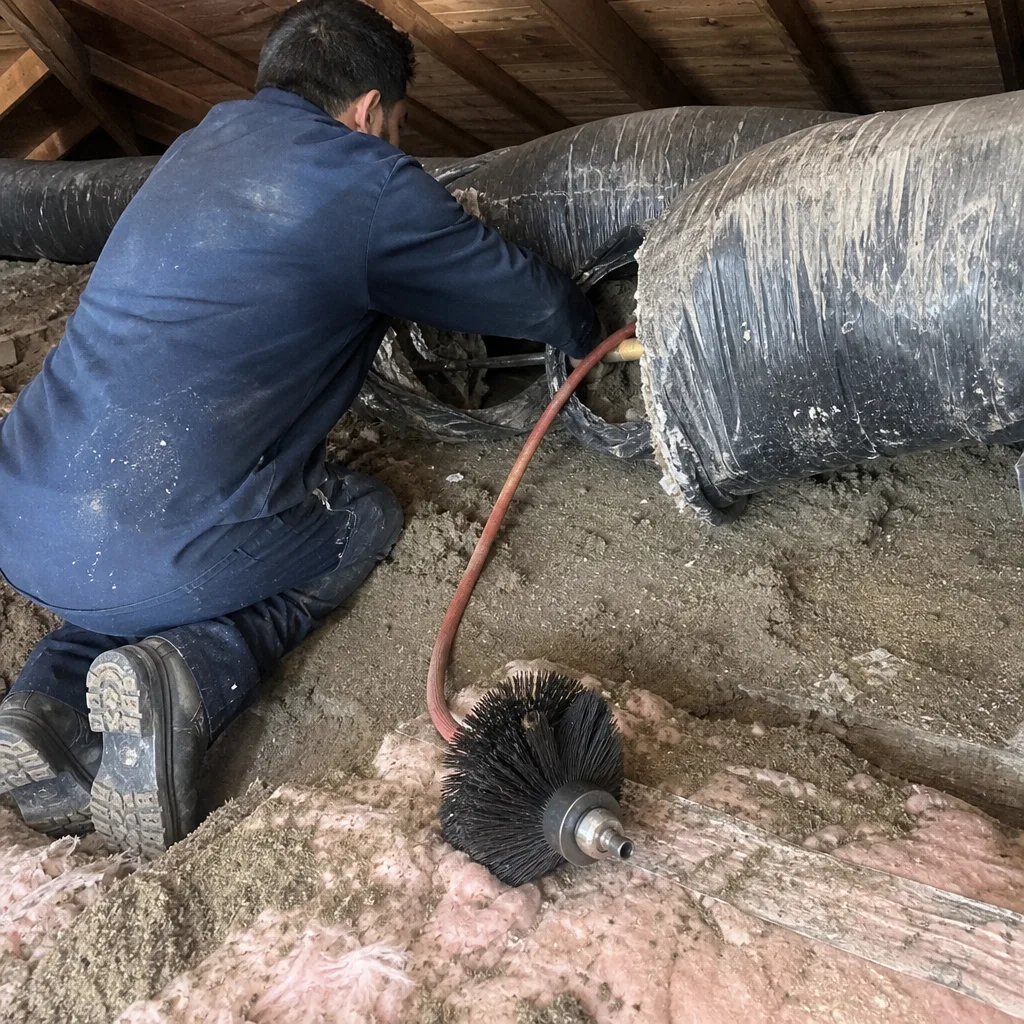 Before
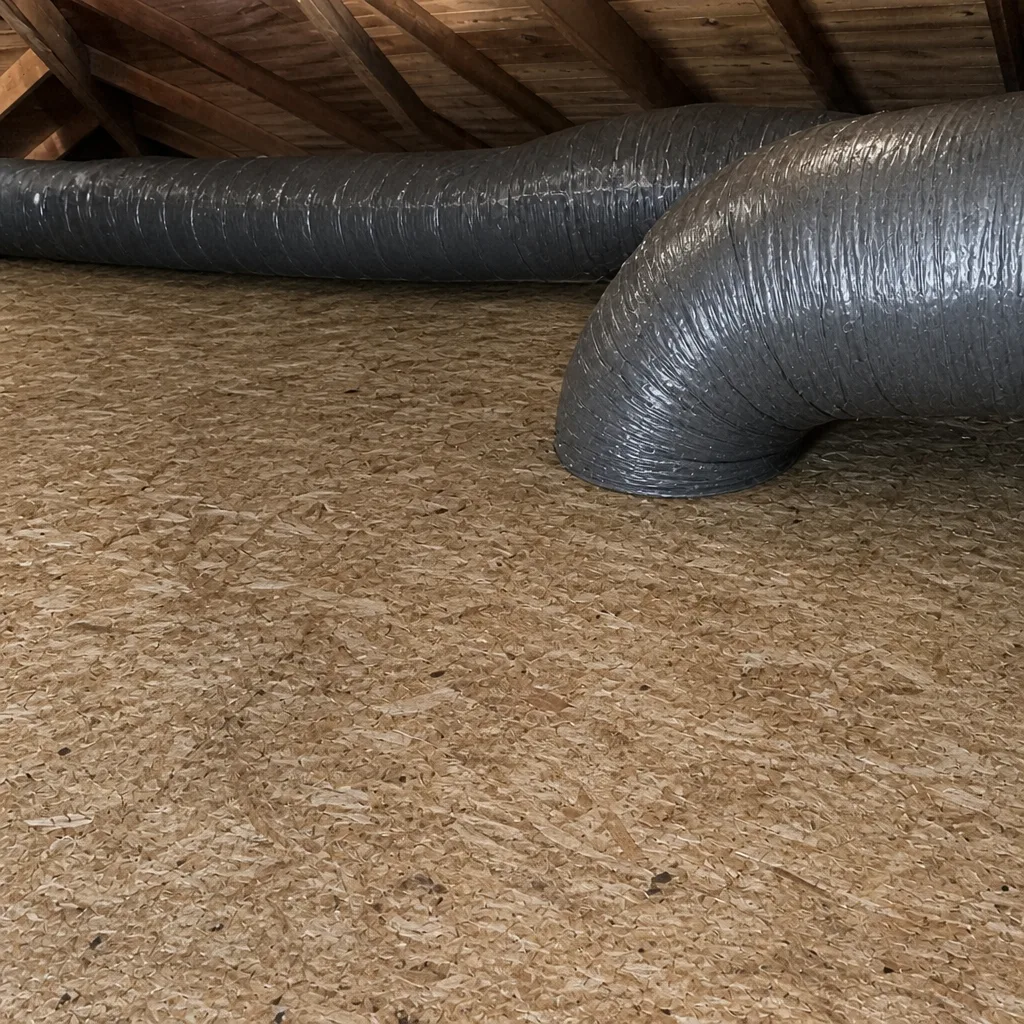 After
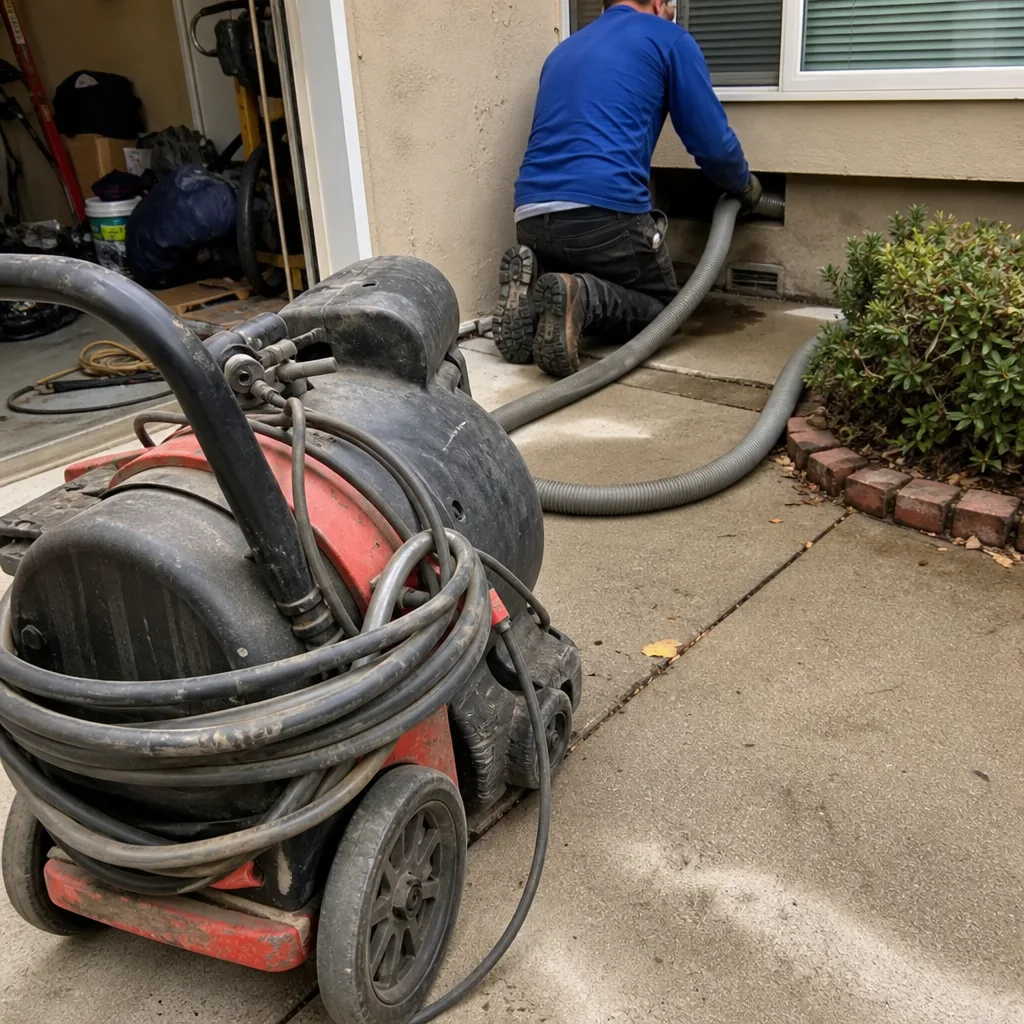 Before
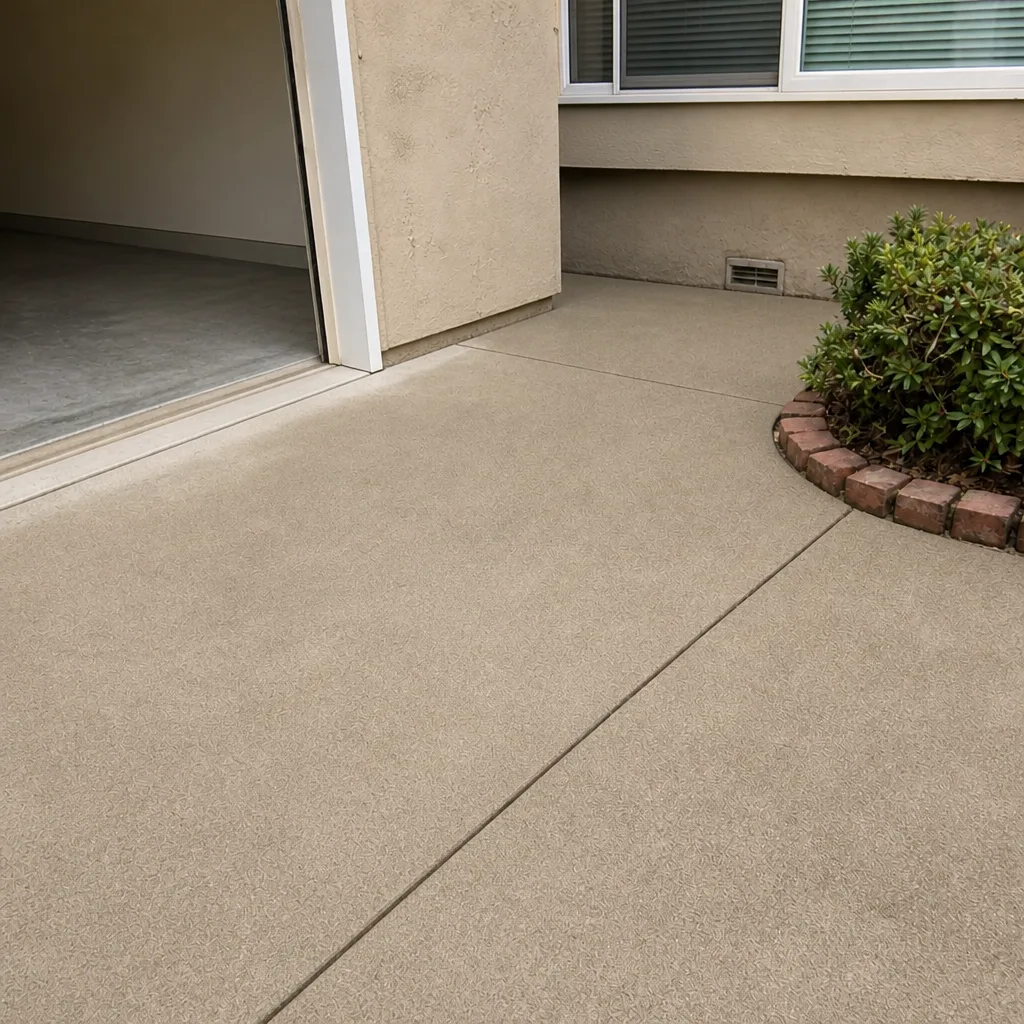 After
 Before
 After