
Last updated November 4, 2026
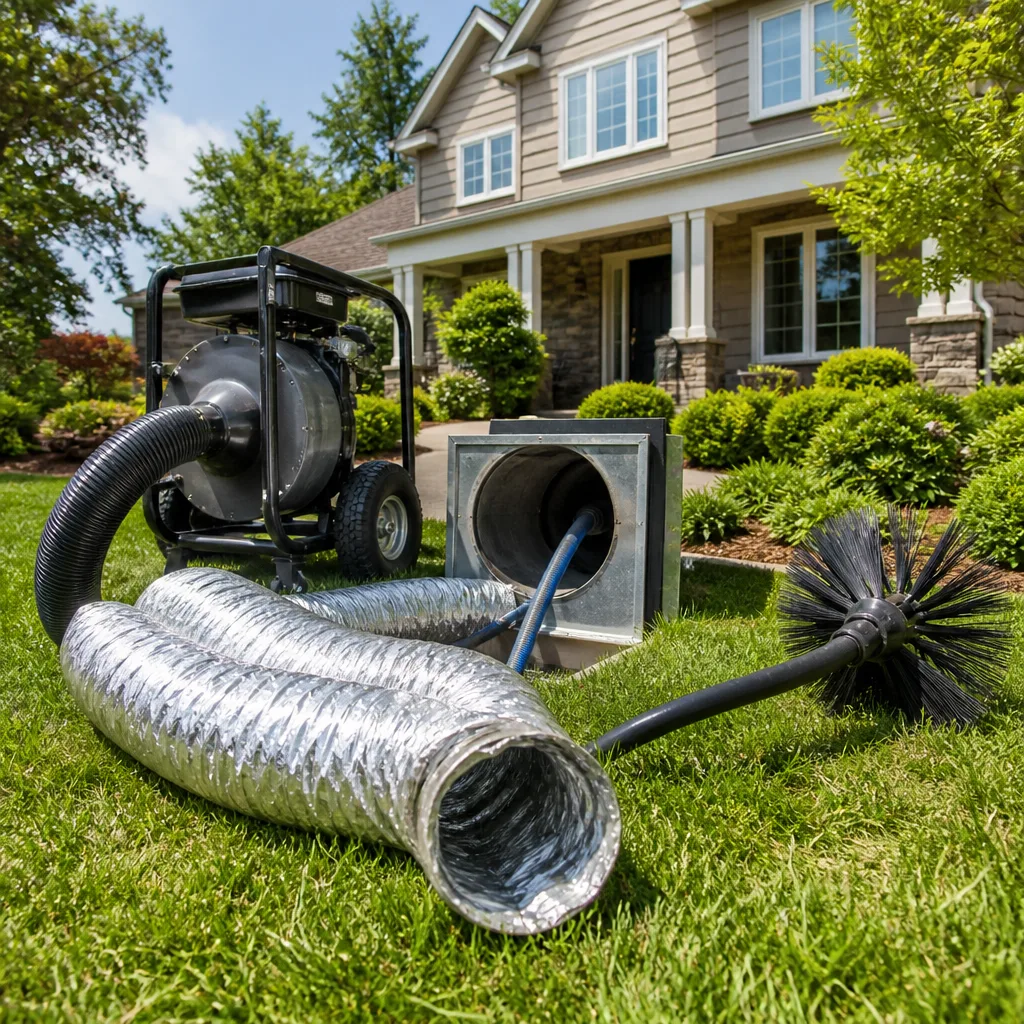 Whole-home duct cleaning
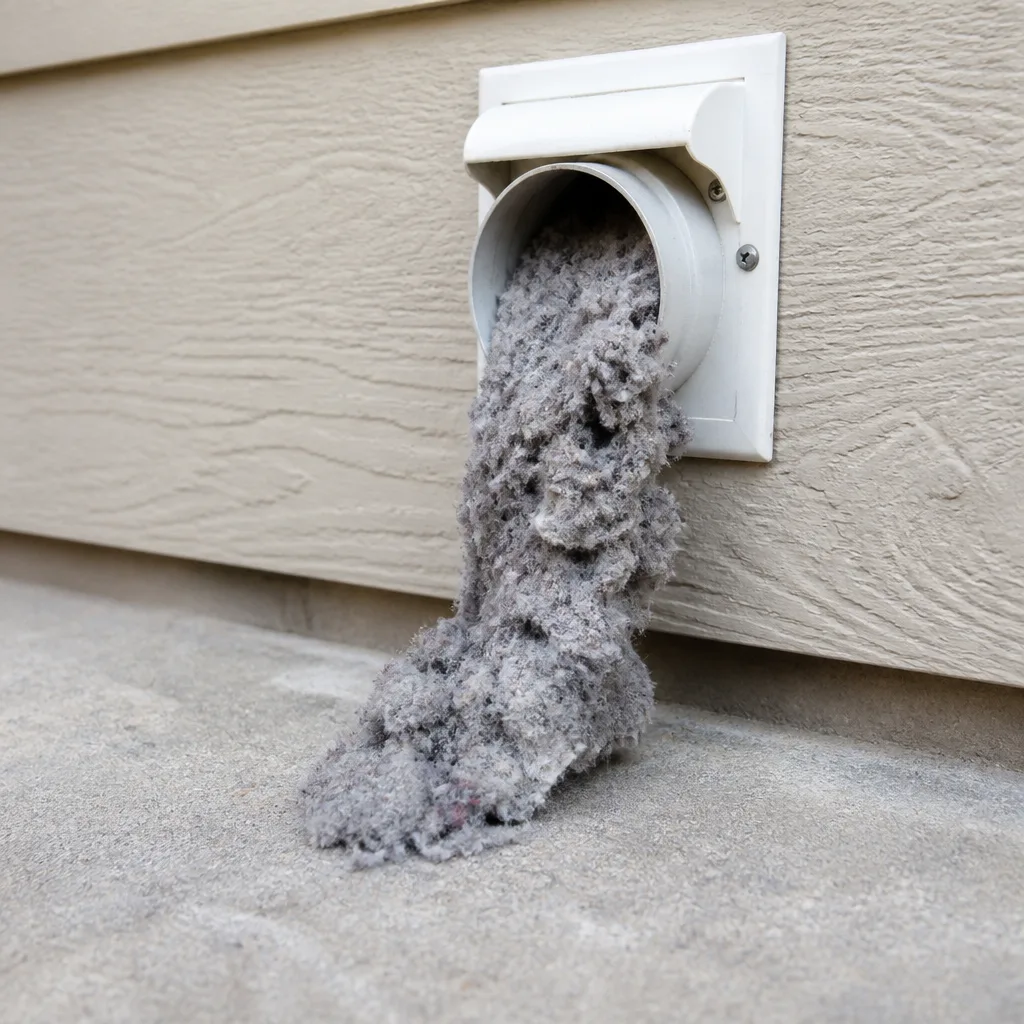 Dryer vent cleaning
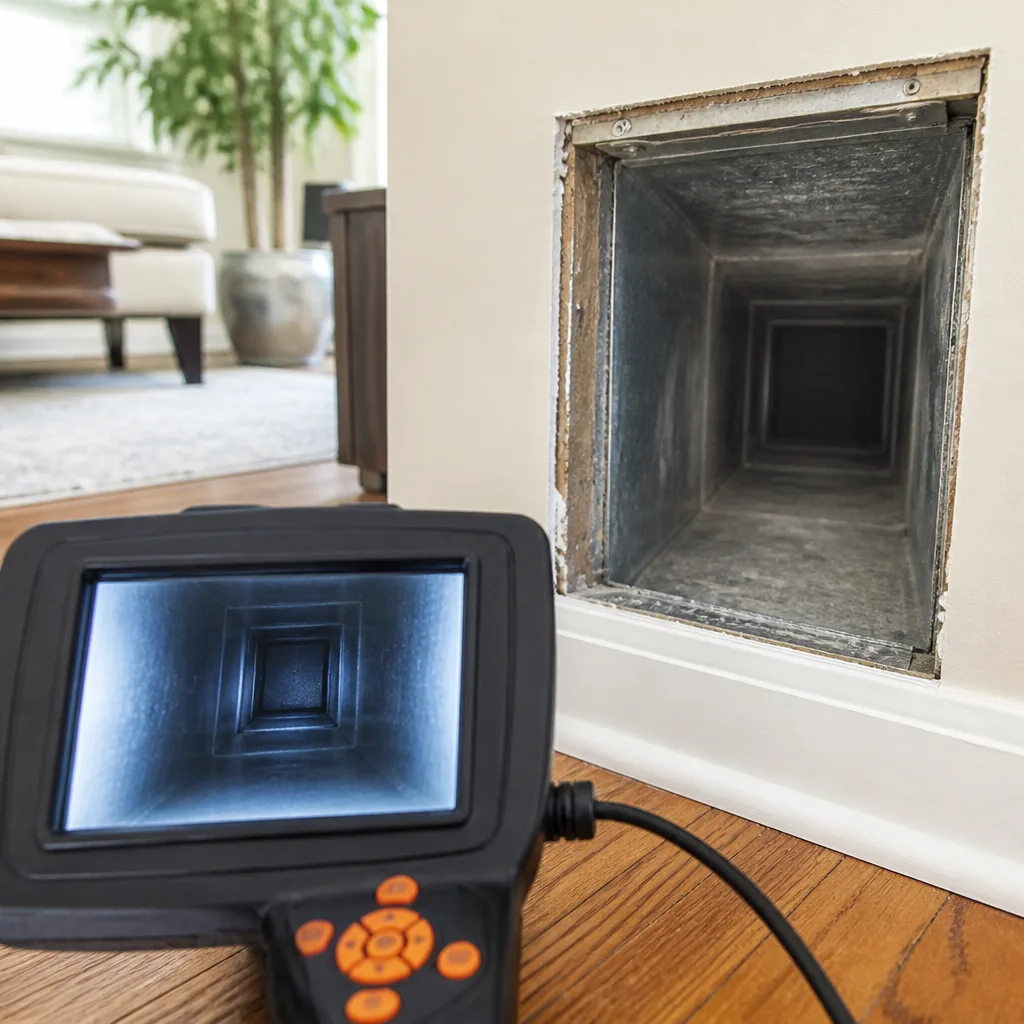 Camera inspection
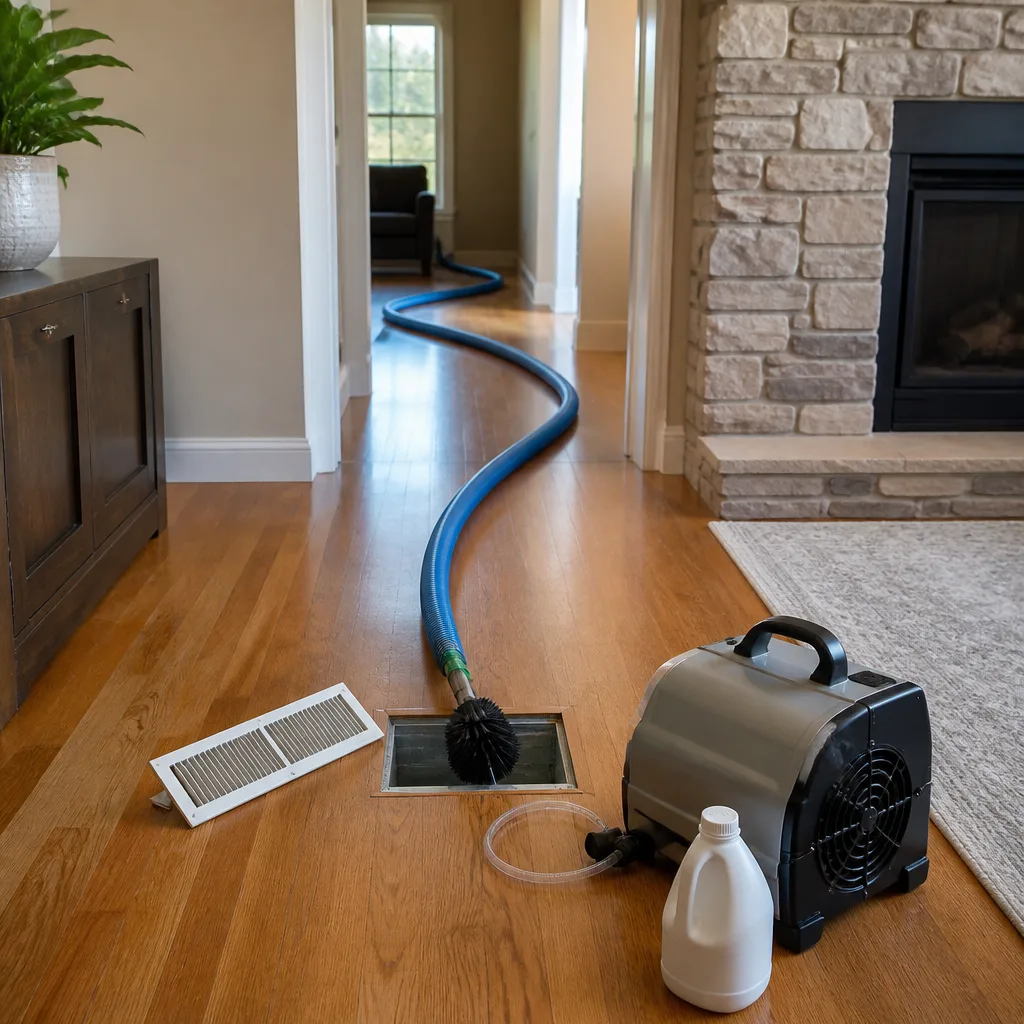 Sanitizing & deodorizing
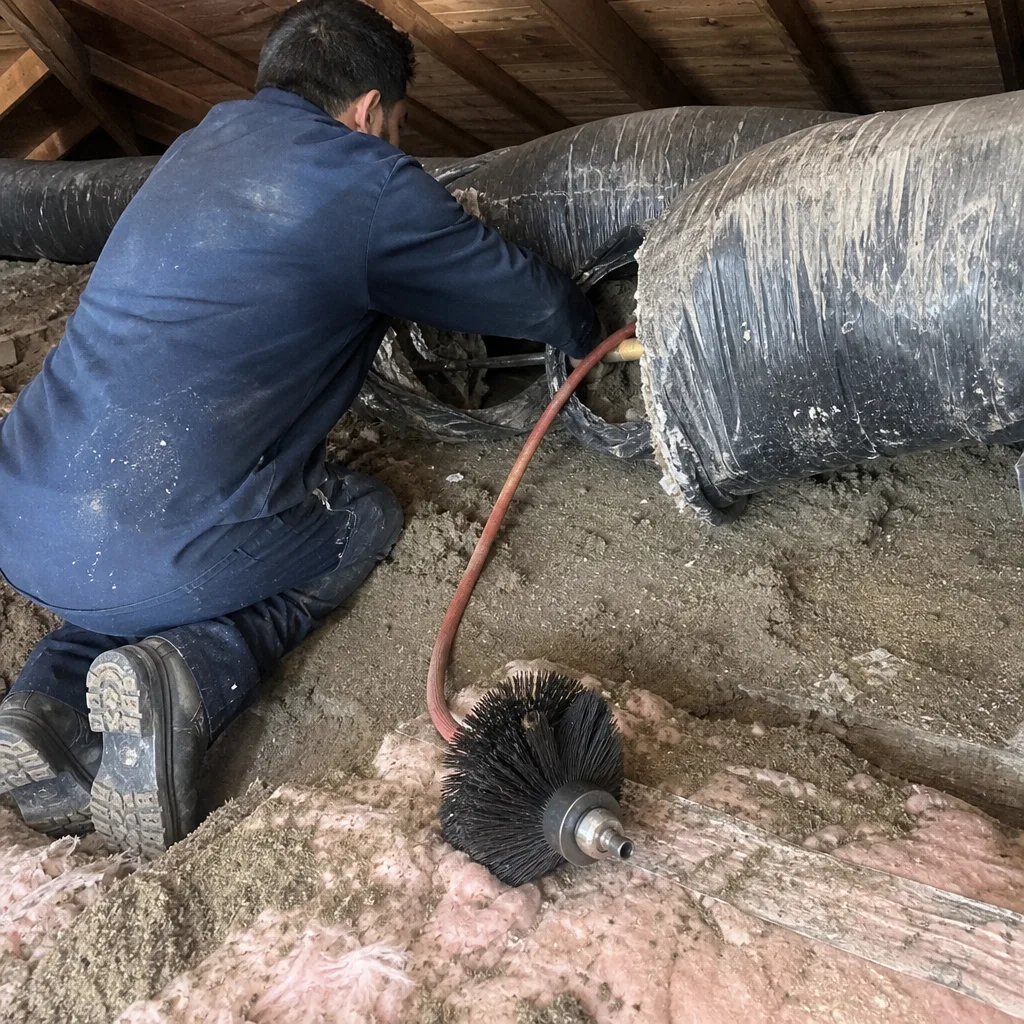
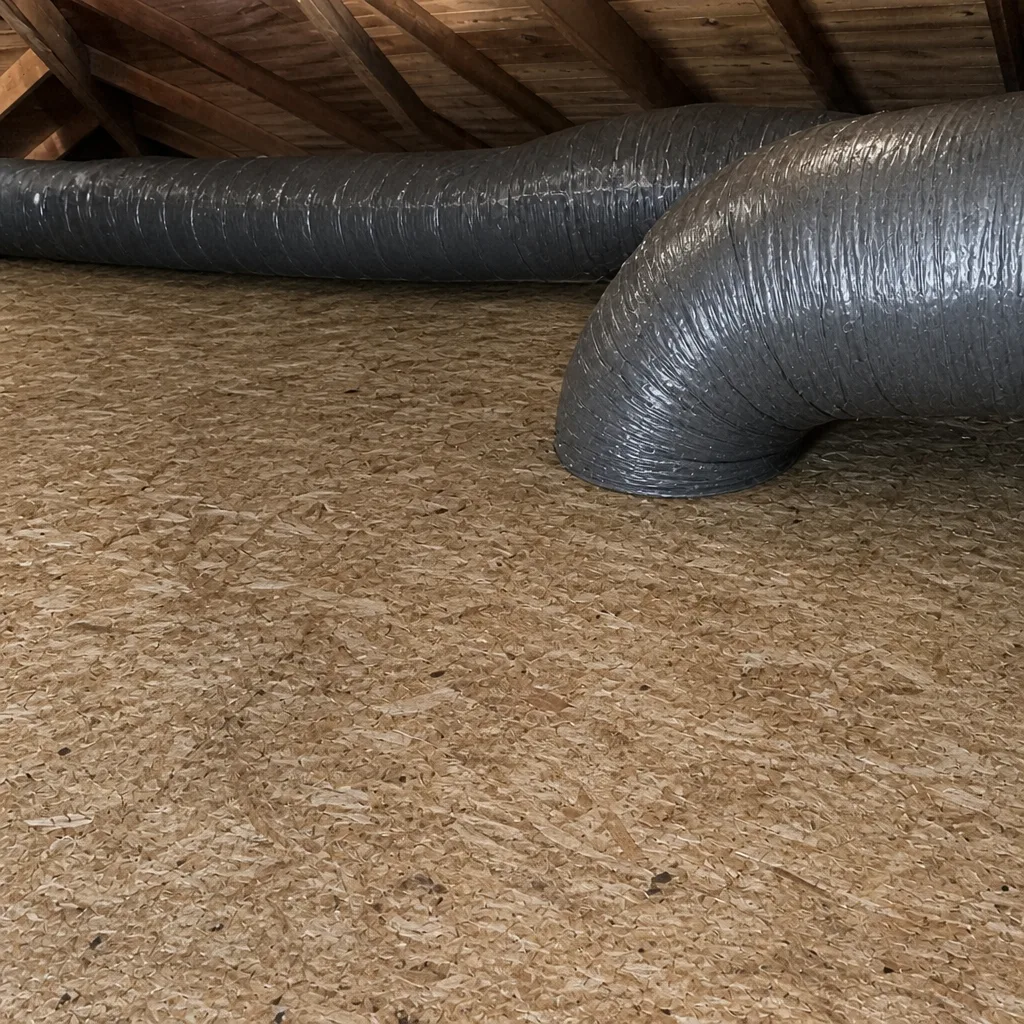
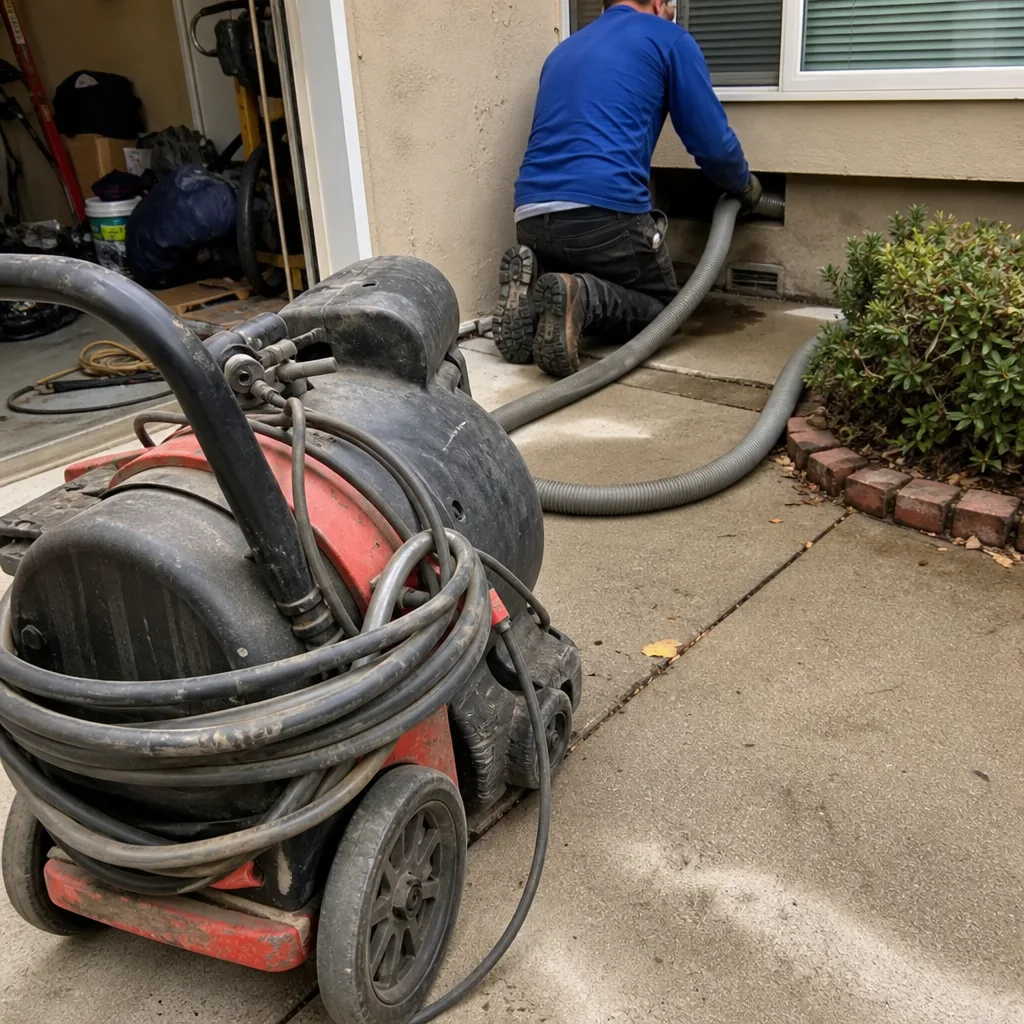
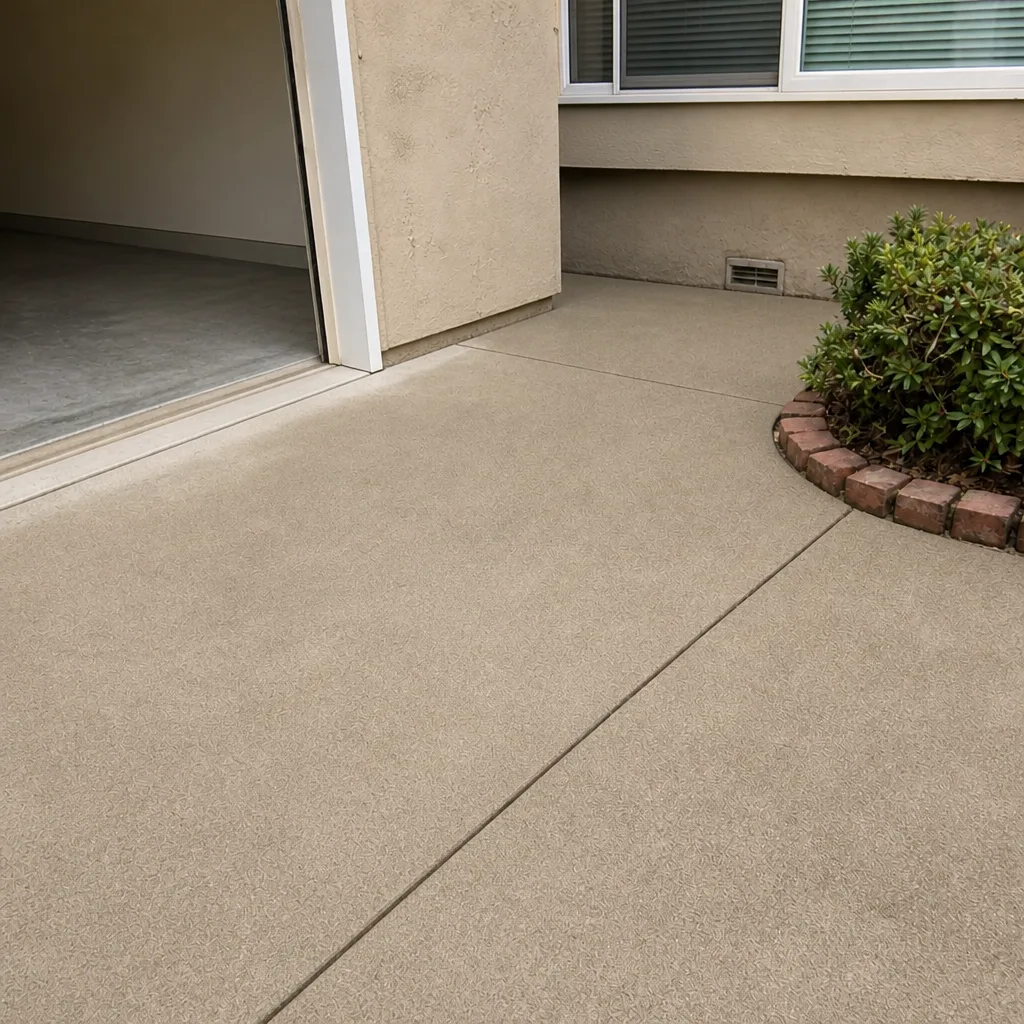
Whole-system duct and dryer vent check with before-and-after photos - you see exactly what came out of your vents
That "$99 whole-house special" is a bait ad - the real number appears once they are in your hallway, or the "clean" is a shop-vac at the register. We photograph the inside of your ducts before and after instead.
Seasonal Air Duct Cleaning Care for Hayward: Year-Round Homeowner’s Guide
Most seasonal duct cleaning advice assumes every home follows the same calendar: clean in fall before heating season, again in spring before cooling season. Hayward doesn’t work that way. We don’t get the bitter cold that forces furnaces to run for five straight months, and our summers rarely demand the kind of round-the-clock air conditioning that dries out a duct system. What we do get is a specific sequence of conditions, the June Gloom marine layer, late-summer wildfire smoke drift, and a mild rainy season, that stresses ductwork differently than anything a national guide will tell you. This guide maps those actual conditions to what your ducts need, month by month, so you’re not cleaning on someone else’s schedule.
Styles & brands we work with
- Whole-home duct cleaning
- Dryer vent cleaning
- Camera inspection
- Sanitizing & deodorizing
Quick Answer
In Hayward, the most important duct cleaning window is February through April, after the rainy season has pushed moisture through crawlspaces and before allergy season peaks. The second critical window is October through November, after wildfire smoke has coated duct interiors with fine particulates that normal household dust doesn’t resemble. The overlooked risk window is May through July, when the marine layer holds indoor humidity high enough that accumulated dust inside ducts can absorb moisture and become a breeding medium for microbial growth. Schedule professional air duct cleaning during these windows, and perform basic filter and vent maintenance year-round.
Table of Contents
- Why Hayward’s Climate Doesn’t Match the National Duct Cleaning Calendar
- June Gloom and the Marine Layer: The Moisture Risk Window
- Wildfire Smoke Season: How Fine Particulates Coat Duct Interiors
- Furnace Reactivation: The November Inspection Checklist
- February Through April: The Optimal Cleaning Window for Hayward Homes
- Year-Round Maintenance: What Homeowners Should Do Between Professional Visits
- How Often Do Hayward Ducts Actually Need Professional Service?
- Common Mistakes to Avoid
- When to Call a Professional
- Frequently Asked Questions
- The Bottom Line
Why Hayward’s Climate Doesn’t Match the National Duct Cleaning Calendar
Hayward sits in a climate zone that confuses generic HVAC advice. We get cool, foggy mornings that burn off by afternoon, mild winters where the furnace might run only a few hours per day, and summers that rarely push past the mid-80s. The result is that our ducts experience long stretches of low airflow, periods when systems sit idle for weeks at a time, and humidity levels that fluctuate more than the temperature does. Dust that enters a duct system in Hayward tends to stay there longer than it would in a home with a harder-working furnace or air conditioner, because the air moving through the ducts isn’t consistently forceful enough to push it out the vents.
That’s the core difference. In colder climates, the heating season acts almost like a natural dust purging cycle, dry, heated air rushing through ducts for months on end. In Hayward, we don’t get that. Our ducts hold onto what enters them. That means the timing of when you clean matters less than recognizing which conditions have recently added new material to the system. A homeowner who understands that can schedule service around actual duct stress, not a national marketing calendar.
June Gloom and the Marine Layer: The Moisture Risk Window
The period from May through July is the most underappreciated duct risk window in Hayward. The marine layer that rolls in off the Bay keeps mornings overcast and cool well into the afternoon, and it does something specific to indoor air: it holds relative humidity elevated for weeks at a time. Your duct lining, especially in attic runs that aren’t well insulated, absorbs some of that ambient moisture. If those ducts already carry a layer of accumulated dust, that dust becomes damp. Damp dust is a completely different material than dry dust. It’s heavier, stickier, and far more likely to support microbial growth.
What should a homeowner actually do during these months? First, check your filter more often. If you can see visible dust accumulation on return grilles or supply registers, that’s a signal that the system is carrying more material than it should. Second, pay attention to how the air smells when the system first kicks on. A musty note during June and July in Hayward is not normal, and it’s not something to wait out. It’s worth scheduling an inspection if you notice it. Third, and this is the part almost no one does, check the attic duct runs if you can safely access them. Condensation on the outside of a duct in June or July means the duct’s insulation is compromised, and moisture is moving where it shouldn’t be. That’s a repair issue, not just a cleaning issue.
Wildfire Smoke Season: How Fine Particulates Coat Duct Interiors
August through October is wildfire smoke season across the Bay Area, and even when Hayward isn’t directly under a smoke plume, fine particulates drift from fires burning hundreds of miles away. These particulates are not the same as the household dust that accumulates in ducts year-round. Household dust is mostly skin cells, fabric fibers, and tracked-in soil, relatively large and heavy particles that settle quickly. Wildfire smoke particulates are much smaller, often under 2.5 microns, and they behave differently. They stay suspended in air longer, travel through return ducts more easily, and when they settle inside a duct system, they form a fine coating that bonds to the duct walls in a way loose dust doesn’t.
That coating causes two problems. First, it restricts airflow more than an equivalent amount of household dust, because it creates a more uniform layer across the duct’s interior surface. Second, it’s chemically different, containing combustion byproducts that can off-gas or contribute to persistent odors when the furnace starts running in November. A standard homeowner filter change doesn’t address duct interiors. If your home was exposed to wildfire smoke during the late summer months, even if you never smelled it indoors, assume the duct system picked some of it up. The October through November window is the right time to have those ducts professionally cleaned, before the furnace starts cycling that material back into your living space all winter.
Furnace Reactivation: The November Inspection Checklist
Hayward furnaces sit idle for months. Through our mild summer, most systems run only their fan, if that. Then November arrives and the furnace begins its seasonal work. The first few days of heating season are when a duct system shows you what it’s been holding. Here’s a homeowner checklist for November, before the heating season really settles in:
- Inspect your filter before the first sustained cold stretch. If it’s dirty in November, it’s been dirty since before the system went mostly idle. Replace it and note how quickly the new one loads up.
- Turn the system on and walk the house. Listen for a burning smell in the first few minutes. That’s normal dust burning off the heat exchanger. But if the smell persists past the first day, or if it smells more like smoke than hot dust, that’s material inside the ductwork, not the furnace itself.
- Check register covers and return grilles. If you can see a gray film on the inside of a supply register, that’s what the air moving through your ducts looks like. You’re seeing the clearest available evidence of what’s coating the system upstream.
- Look at the room farthest from the furnace. In Hayward homes with long duct runs, far rooms show seduction restriction first. If that room has felt warm all summer only because the system wasn’t pushing much air, cold weather will reveal the restriction quickly.
We’ve seen Hayward systems that ran all summer with the fan on, pulling wildfire particulates and marine-layer moisture into the ducts, and then hit November with a significant airflow problem. Do yourself a favor and check the system in the first two weeks of heating season. If anything looks or smells off, address it before December.
February Through April: The Optimal Cleaning Window for Hayward Homes
If you only schedule duct service once per year, do it between February and April. Here’s why that window works for Hayward specifically. Our rainy season runs roughly November through March, and during that period, crawlspace humidity rises. Duct runs that pass through crawlspaces, common in older Hayward homes in neighborhoods like the Avenues and Fairway Park, sit in elevated moisture for weeks. That moisture affects both the duct material and anything inside it. Once the rain stops and the soil begins drying out in late spring, you want a clean system, not one that’s been holding damp material through the transition.
There’s a second reason this window matters: allergy season. Hayward’s tree pollen season begins picking up in March and April, and by May, the grass pollen count is climbing. A duct system that’s clean going into allergy season means less recirculated material, which matters for households with allergy sufferers. You want the cleaning done before the pollen peaks, not during it.
The third reason is scheduling logic. Most homeowners think about ducts in October and November, when the furnace starts. That means fall is the busy season for duct companies, and spring is comparatively open. You’ll get more scheduling flexibility in February through April, and you’ll be cleaning the system after it’s collected a full year of material, not halfway through its accumulation cycle.
Year-Round Maintenance: What Homeowners Should Do Between Professional Visits
Professional cleaning is not a substitute for routine maintenance, and in a climate as mild as Hayward’s, homeowner maintenance does a lot of the work between service visits. The goal is simple: catch problems early, reduce the amount of material entering the ducts, and know when the system needs professional attention.
- Change or clean filters on a schedule tied to your home, not a national average. In Hayward, homes with pets or homes near busy roads, like those along Mission Boulevard or Foothill, will load filters faster than the classic 90-day recommendation. Check monthly. Replace when dirty.
- Vacuum return grilles and supply registers monthly. Anything caught on those surfaces eventually either falls into the duct or gets pulled through it.
- Keep the area around return vents clear. Furniture, curtains, or stored boxes against a return vent reduce airflow through the whole system, which in turn reduces the system’s ability to move material out of the ducts.
- Watch for new or worsening odors when the fan runs. In Hayward’s low-airflow months, musty or stale smells from the vents don’t resolve on their own. They usually mean moisture has found its way into duct material, and that’s a professional inspection call.
- Check accessible duct runs after heavy rain. In homes with crawlspace ductwork, peek into the crawlspace in January and February. Standing water, visible sagging in flex duct, or condensation on metal duct surfaces are all signs that duct condition has changed and should be evaluated.
How Often Do Hayward Ducts Actually Need Professional Service?
The standard industry answer is every 3 to 5 years, but our climate changes that math. Because Hayward doesn’t get the deep heating season that naturally dries and purges ducts, and because we do get wildfire smoke exposure most years, many Hayward homes benefit from cleaning every 2 to 3 years. Homes with shedding pets, homes where residents smoke, homes that experienced significant wildfire smoke exposure in a given year, and homes with crawlspace duct runs that stay damp through the rainy season all push toward the shorter end of that range. Homes with no pets, newer construction with well-insulated ducts, and households that run HEPA filtration might stretch to 4 or 5 years without issue.
The right way to answer the question is with a visual inspection. If you pull a register cover and see dust accumulation on the interior of the duct beyond what a quick wipe can handle, that’s a signal. If airflow from some rooms is noticeably weaker than others, that’s a signal. If the system smells stale every time the blower runs, that’s a stronger signal. None of these require a special tool to detect, just a homeowner who looks.
Common Mistakes to Avoid
- Cleaning on a national fall schedule without checking actual duct condition. The October rush isn’t wrong for cold-climate homes, but in Hayward, it may mean cleaning ducts that were just exposed to wildfire particulates before the smoke season has fully ended. February through April serves our climate better.
- Assuming a clean filter means clean ducts. The filter protects the furnace. It doesn’t clean the ducts. Material that’s inside the duct system stays there until it’s physically removed, and in Hayward’s low-airflow months, it stays there longer.
- Ignoring the June Gloom window. We’ve covered this above, but it’s the mistake we see most often: homeowners who notice a musty smell in June and assume it will resolve when the weather dries out. It usually doesn’t, because the material causing the smell has already absorbed the moisture.
- Using duct cleaning as a substitute for duct repair. If a duct run is disconnected, crushed, or torn, no amount of cleaning fixes it. Hayward homes with crawlspace ductwork are particularly vulnerable to physical damage, and a cleaning only reveals the problem, it doesn’t repair it. Some companies will clean around a damaged section and leave it. We won’t. We do Duct Cleaning Hayward work that includes diagnosing whether the problem is dirt or damage, and if it’s damage, we tell you before any cleaning happens.
- Waiting for a smell to become obvious. Dust accumulation and even some mold growth inside ducts doesn’t always produce a smell that reaches the living space. By the time it does, the problem has been building for months. Visual inspection catches things earlier.
- Neglecting the dryer vent. We know this guide is about air ducts, but we can’t ignore the dryer vent cleaning connection. A clogged dryer vent pushes lint and moisture back into the laundry area, and in Hayward’s mild climate, that moisture hangs around. Dryer vents need their own cleaning schedule, typically every 1 to 2 years depending on use.
When to Call a Professional
Call a professional when you can see accumulated dust inside a register or return that extends beyond what you can wipe with a cloth, when airflow from some rooms is consistently weaker than others, or when the system produces a musty or stale odor that persists beyond the first few minutes of operation. Those are the signs that the problem is inside the duct system, not at the filter. Call also if you’ve had a year with significant wildfire smoke exposure, even if you don’t notice a smell, or if accessible duct runs show visible sagging, condensation, or separation after the rainy season. Those are duct condition issues, and they need a diagnostic eye. Hayward homeowners can call Duct Cleaning Hayward for a free estimate at (833) 589-9902. We answer 24/7. Fast dispatch from 7am to 7pm, Sunday through Friday.
Frequently Asked Questions
The best time to clean air ducts in Hayward is February through April, after the rainy season has passed and before allergy season peaks. This window ensures ducts that may have been exposed to crawlspace moisture through the winter are cleaned before they sit damp through spring, and it gets the system clean before the pollen load arrives.
Yes, the June Gloom marine layer matters because it keeps indoor relative humidity elevated for weeks, which causes dust inside ducts to absorb moisture and become heavier, stickier, and more likely to support microbial growth. Poorly insulated attic duct runs are the most vulnerable, because they experience the greatest humidity swings.
Yes, wildfire smoke in the Bay Area contains fine particulates small enough to enter homes through ventilation systems, door gaps, and even the normal operation of your HVAC system. Those particulates settle inside duct runs and form a coating that normal filter changes don’t address. Even without open windows, your ducts likely picked up material during smoke season.
Most Hayward homes benefit from professional air duct cleaning every 2 to 3 years, rather than the 3 to 5 year standard for other climates. Hayward’s low airflow reduces the natural dust purging that colder climates get during winter, and wildfire smoke exposure adds material to ducts that wouldn’t otherwise be there.
Duct cleaning removes accumulated material from inside existing duct runs. Duct repair addresses physical problems with the ducts themselves, including disconnected, crushed, or torn sections, sagging flex duct, or failing insulation. A disconnected duct cannot be cleaned back into function; it needs to be repaired, and not every duct cleaning company offers that service.
Homeowners can maintain the accessible parts of their systems, register covers, return grilles, and filters, but the interior surfaces of duct runs require professional equipment to clean effectively. Consumer-grade tools cannot reach the full length of a duct run or generate the airflow needed to dislodge and extract accumulated material. Companies like Duct Cleaning Hayward use professional equipment, including Rotobrush and Nikro systems, for that reason.
The Bottom Line
Hayward’s ducts don’t follow the national seasonal playbook, and neither should your maintenance schedule. Our marine layer, wildfire smoke exposure, and mild winters create a specific calendar of duct stress that most generic advice ignores. The practical takeaway: check your system during June and July when humidity is high, clean after wildfire season in October and November, and schedule your primary professional cleaning between February and April. Between professional visits, monthly filter checks and register inspection catch most problems early. If you see dust you can’t reach, smell something that doesn’t clear, or notice rooms that never get enough air, the problem is inside the system. That’s when you call.
Written by the team at Duct Cleaning Hayward, serving Hayward since 2011.
See the difference
 Before
 After
 Before
 After
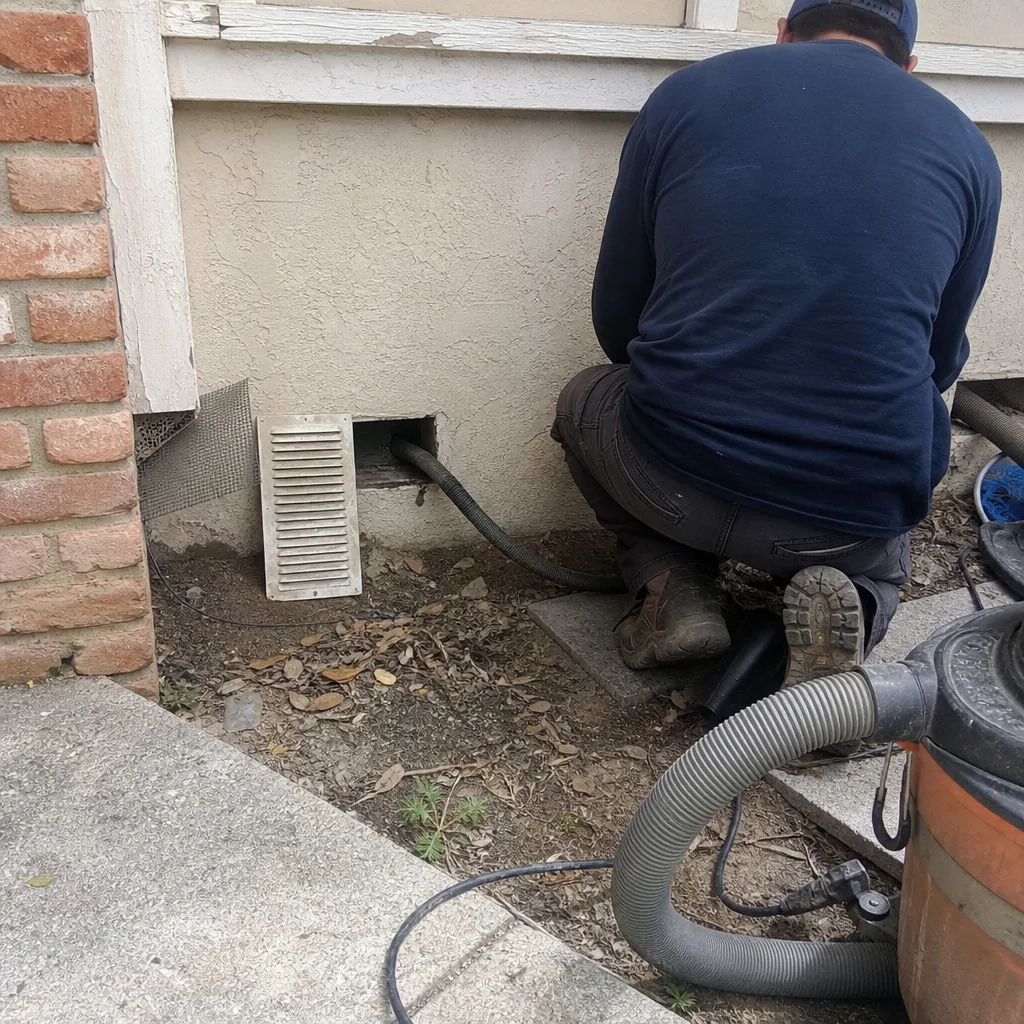 Before
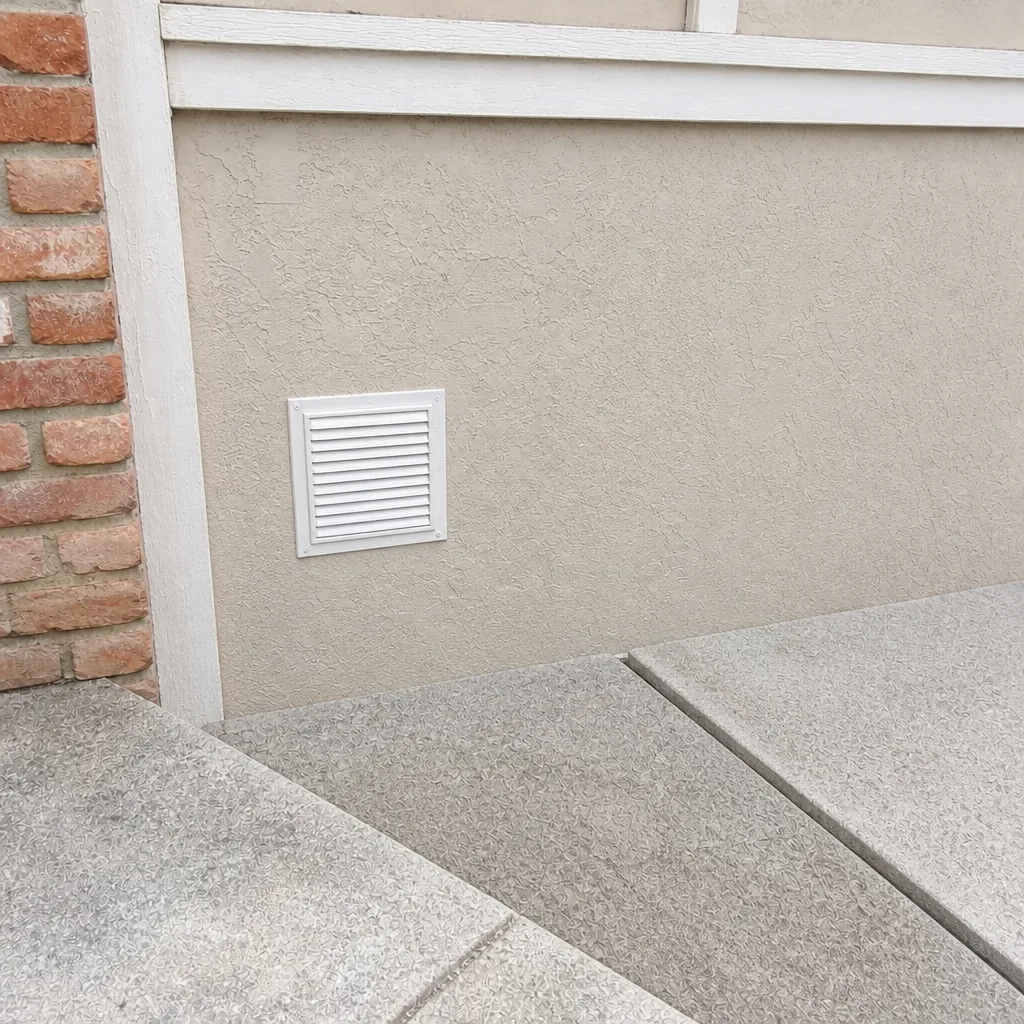 After