
Last updated November 4, 2026
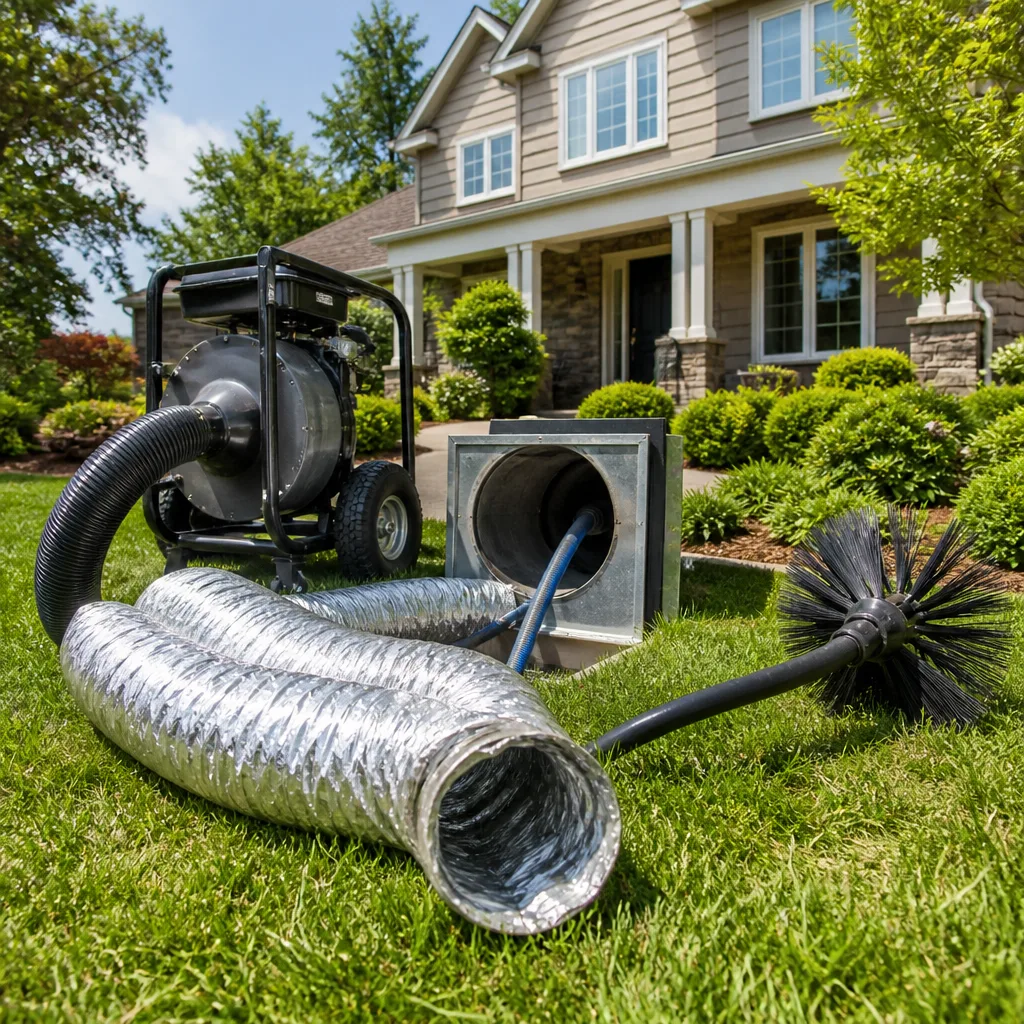 Whole-home duct cleaning
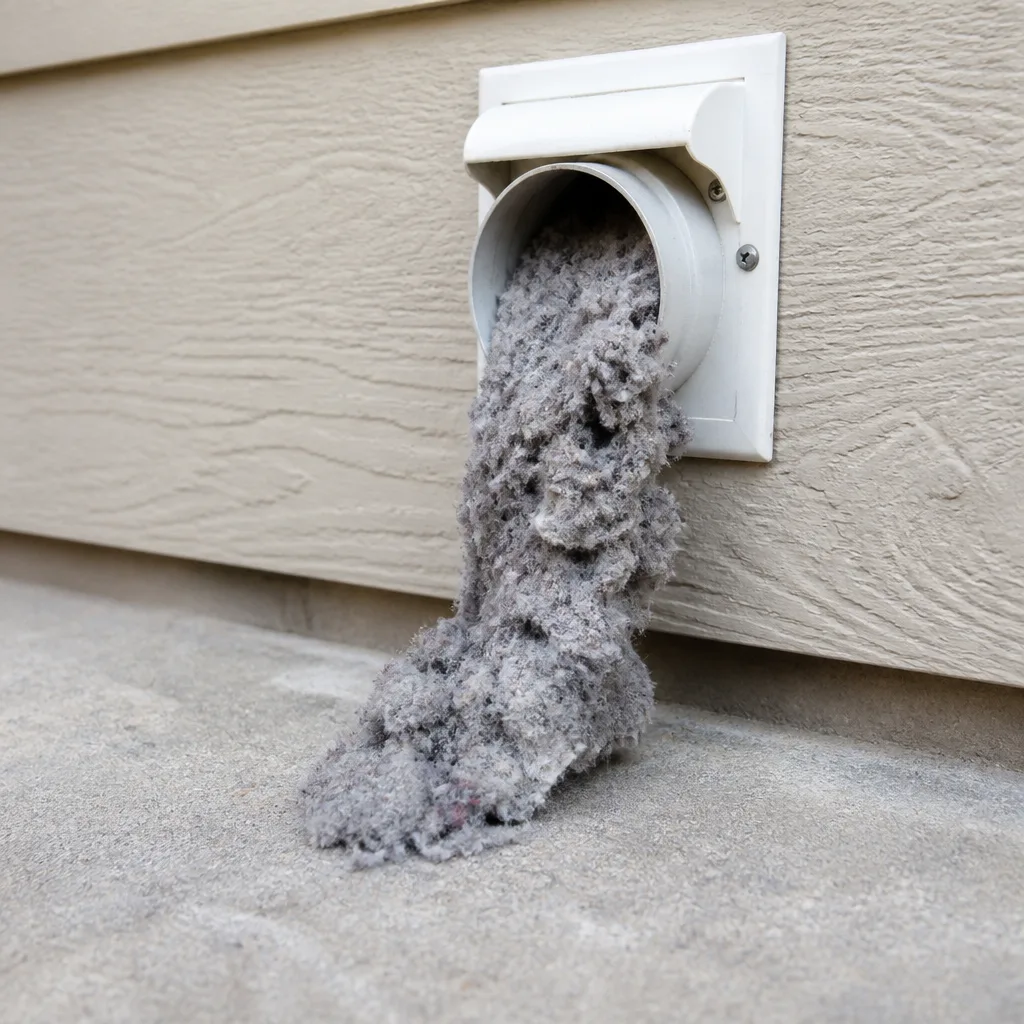 Dryer vent cleaning
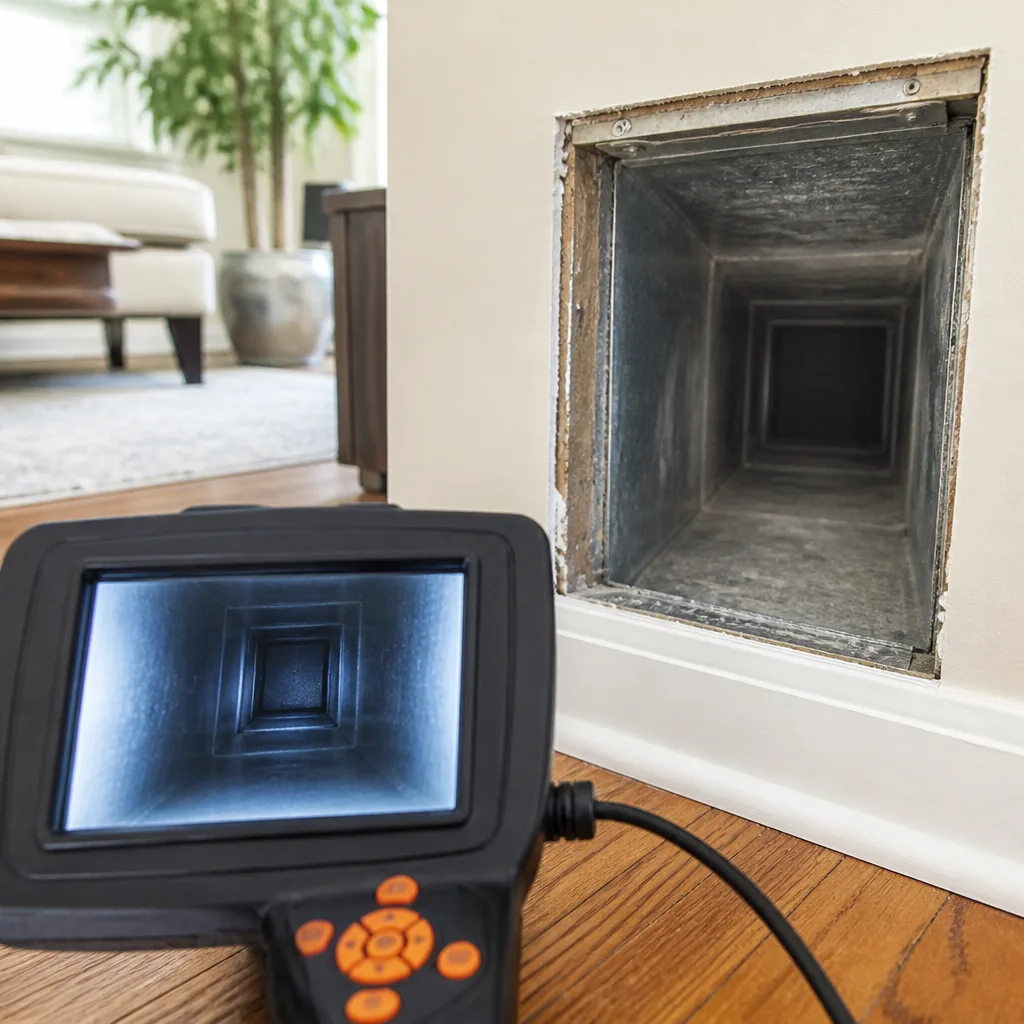 Camera inspection
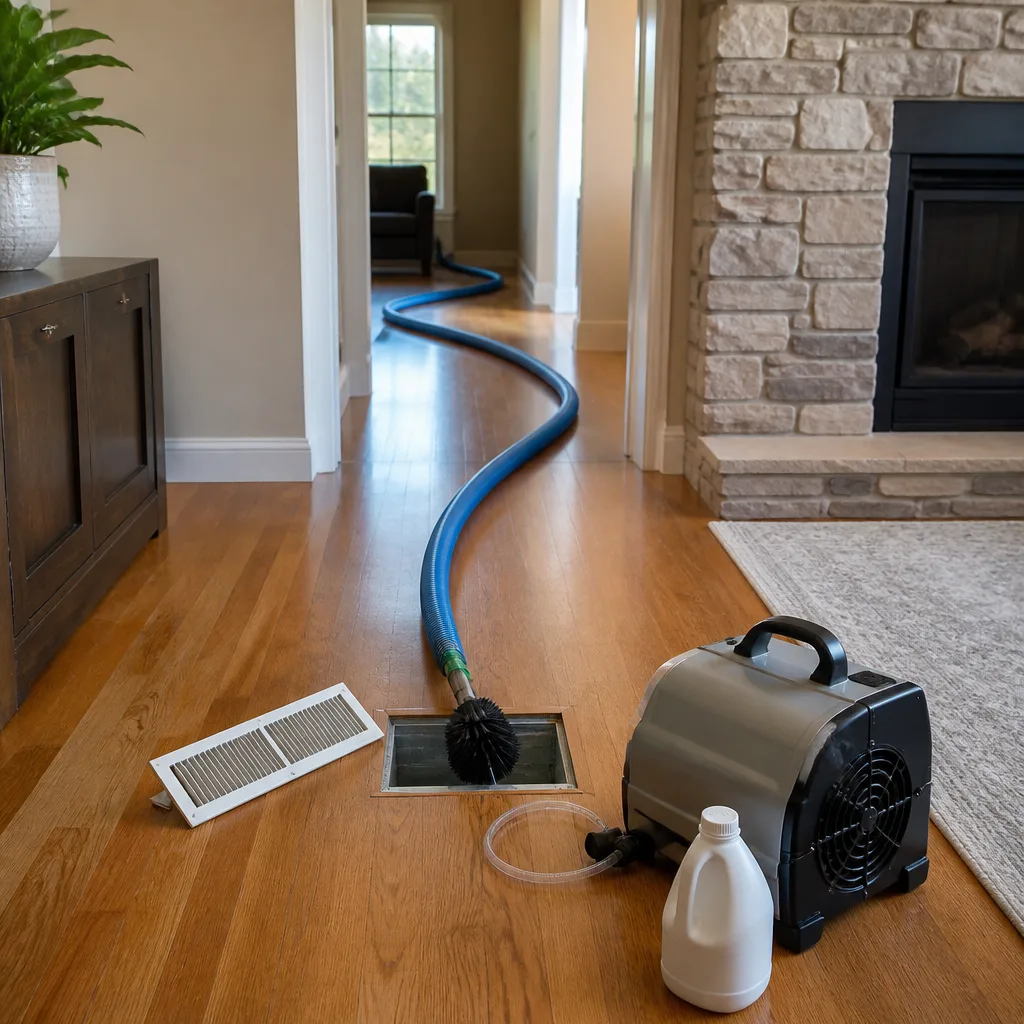 Sanitizing & deodorizing
Whole-system duct and dryer vent check with before-and-after photos - you see exactly what came out of your vents
That "$99 whole-house special" is a bait ad - the real number appears once they are in your hallway, or the "clean" is a shop-vac at the register. We photograph the inside of your ducts before and after instead.
How to Hire an Air Duct Cleaning Contractor in Hayward: A Step-by-Step Guide
The $99 duct cleaning offer that keeps appearing in Hayward mailers is economically impossible to deliver with truck-mounted negative pressure equipment and proper source removal. A real truck-mounted system costs six figures, the technician training takes months, and the job itself takes anywhere from three to six hours when done correctly. Understanding why that price cannot cover those costs is the first step to hiring a contractor who will actually clean your ducts rather than wave a vacuum wand around your vents. This guide walks you through the technical vetting process we use ourselves, so you can separate the equipment-serious specialists from the high-volume operations running residential jobs between commercial contracts.
Quick Answer
To hire an air duct cleaning contractor in Hayward, verify three things before booking: the equipment type they run (truck-mounted negative pressure with a minimum of 2,000 CFM, not a portable shop-style vacuum), whether they hold NADCA certification rather than just membership, and whether they provide a written scope of work that lists square footage, vent count, and duct material before quoting. Then confirm they will produce a post-cleaning report with before-and-after photos. A contractor who passes all four checks is equipped to do source removal properly.
Styles & brands we work with
- Whole-home duct cleaning
- Dryer vent cleaning
- Camera inspection
- Sanitizing & deodorizing
Table of Contents
- Step 1: Ask What Equipment They Run
- Step 2: NADCA Membership vs. Certification
- Step 3: The Phone Estimate Test
- Step 4: Request a Written Scope of Work
- Step 5: Demand a Post-Cleaning Report
- Step 6: Hayward-Specific Considerations
- Red Flags to Watch For
Step 1: Ask What Equipment They Run
The single most revealing question you can ask any air duct cleaning contractor in Hayward is a simple one: “What equipment do you use?” The answer separates specialists from operators who bought a portable vacuum and printed business cards.
Here is what actually matters: negative pressure capacity. A proper duct cleaning job requires pulling air backward through the entire duct system at a rate strong enough to dislodge dust, debris, and the film of particles that has adhered to duct walls over years. Truck-mounted systems generate this negative pressure using a powerful blower unit housed in the vehicle, connected to your ductwork through a large-diameter vacuum hose. Portable systems, by contrast, use a compact vacuum that typically pulls far less air volume.
When you call a contractor, ask for the CFM rating of their equipment. CFM stands for cubic feet per minute, the measurement of airflow volume. A serious residential duct cleaning operation runs equipment in the 2,000 to 5,000 CFM range. Entry-level portable units often struggle to reach 800 CFM. That difference is not cosmetic. It determines whether the loosened debris is actually extracted from your system or simply knocked loose and left to redistribute through your home once the blower kicks back on.
At Duct Cleaning Hayward, we run Rotobrush and Nikro systems. These are two of the most recognized professional-grade duct cleaning platforms in the industry, the same class of equipment commercial contractors use on office buildings and medical facilities. When a Hayward homeowner asks us what we run, we can answer with brand names that hold up to a quick search. If a contractor hesitates, says “industrial-strength equipment” without naming a brand, or describes a vacuum that fits in the back of a minivan, that is your answer.
The reason this matters for Hayward specifically is the age of the housing stock. Many homes in the city were built between the 1950s and 1980s, which means metal duct systems that have been collecting dust, pet dander, and construction debris for decades. These systems need real extraction power, not a light pass with a brush attachment. Ask the CFM question. A contractor who knows their spec is a contractor who understands their machine.
Step 2: NADCA Membership vs. Certification
Here is where most Hayward homeowners get misled. NADCA, the National Air Duct Cleaners Association, offers two things: membership and certification. They are not the same, and the industry blurs the distinction deliberately.
Membership means the company pays an annual fee to be listed in the NADCA directory. It requires no training, no equipment verification, and no demonstration of competence. Any contractor with a credit card can become a NADCA member by the end of the week.
Certification is different. A certified Air Systems Cleaning Specialist, or ASCS, has passed a written examination covering HVAC system design, contamination control, cleaning methodology, and safety protocols. Maintaining certification requires continuing education credits. It is a credential earned, not purchased.
When you interview a contractor, do not ask “Are you NADCA certified?” That phrasing lets them say yes because they are a member. Ask it precisely: “Do you hold current NADCA ASCS certification, and can you show me the credential?” A certified technician can produce documentation. A member-only operation will start hedging.
In our experience, this single question eliminates a meaningful percentage of the contractors working the Hayward market. The ones who pass it are the ones who invested in learning the trade rather than just buying a van and a vacuum.
Step 3: The Phone Estimate Test
You can disqualify most bad contractors without letting them near your home. The phone estimate is a filtering tool, and using it correctly takes about ninety seconds.
A legitimate duct cleaning estimate requires three pieces of information: the square footage of your home, the number of supply and return vents, and the type of duct material in your system. These three variables determine the time, labor, and equipment settings required for the job. A 1,200-square-foot Hayward rancher with eight vents and rigid metal ducts is a very different job than a 3,000-square-foot two-story with twenty vents and flexible ductwork.
Here is the test: call a contractor and ask for an estimate. If they quote you a price without asking those three questions, hang up. They are not calculating your job. They are reading a promotional figure designed to get a technician in your door, where the real price gets revealed.
What should a phone conversation sound like? The contractor should ask about square footage, vent count, and duct type. They should ask whether you have pets, whether anyone in the home has allergies or respiratory concerns, and when the ducts were last cleaned, if ever. They should explain that the phone number is a working estimate, not a final price, and that a written scope of work will confirm the details before any work begins.
At Duct Cleaning Hayward, the phone estimate is where the conversation starts, not where it ends. We ask the questions first because a real price requires real information. Any contractor who skips straight to a number is selling a visit, not a service.
Step 4: Request a Written Scope of Work
A written scope of work is the document that separates professionals from door-knockers. It is not an invoice. It is a detailed description of exactly what the job includes, what it does not include, and what it will cost. You should receive one before any technician arrives.
Here is what a legitimate scope of work document contains:
- Square footage and vent count: The document should list your home’s square footage and the exact number of supply and return vents included in the quote.
- Duct material and condition: Rigid metal, flexible duct, or a mix. The scope should note the material type and any visible access limitations.
- Cleaning method: The document should specify source removal using negative pressure equipment, including the equipment type and CFM rating.
- Inclusions and exclusions: Does the price include the return air drop, the supply plenum, the trunk lines, and the branch runs? Or just the branch runs? This distinction matters, and a vague scope is a red flag.
- Access requirements: The document should note whether any cutting of access points into the ductwork is required, and whether the contractor will seal those access points after the job. The correct answer is that access points get cut when necessary, patched with metal, and sealed with mastic or foil tape, not duct tape.
- Total price: The full number, stated clearly, with no asterisk about additional fees for “excessive dust” or “extra vents.”
Read the scope of work before you sign anything. If the document is two lines long, it is not a scope. It is a receipt waiting to happen. A real scope takes ten minutes to read because it describes a real job.
Hayward homeowners should also ask whether the scope includes the air handler and blower compartment, not just the ducts. A thorough cleaning addresses the system, not just the pipes. Ask whether the contractor includes the return air drop and the supply plenum in the base price. These are the sections of ductwork closest to the air handler, and they are often the dirtiest parts of the entire system. Some contractors quote a low price by quoting only the branch runs and charging extra for everything else. The scope of work document is where that bait gets exposed.
Step 5: Demand a Post-Cleaning Report
The absence of a post-cleaning report is itself a data point. A contractor who does not document the work either did not do it thoroughly or does not want you to check. Either way, you have your answer.
A legitimate post-cleaning report includes the following:
- Before-and-after photos of your actual ductwork: Not stock photos. Not photos of someone else’s job. Images of your ducts, captured with an inspection camera, showing the interior surfaces before and after cleaning.
- Debris removal documentation: A note describing what was removed and the approximate volume.
- Access point record: If any access points were cut, the report should note where they are and how they were sealed.
- Equipment used: The system brand, CFM rating, and any agitation tools employed.
- Technician name and certification: The person who did the work, with their credential noted.
The point of the report is not paperwork for its own sake. It is verification. Duct cleaning is invisible work. The surfaces being cleaned are behind walls and above ceilings. Without photographic evidence, you are taking the contractor’s word that the job happened. A contractor running professional-grade equipment with a trained technician has no reason to resist documentation. A contractor who “does not do photos” is giving you a reason to call someone else.
We provide before-and-after photos on every job because that is the only honest way to show a Hayward homeowner what changed. Your ducts work invisibly until they don’t. The photos make the invisible visible.
Step 6: Hayward-Specific Considerations
Hayward’s climate and housing stock create a specific set of conditions that affect duct cleaning decisions. Understanding them helps you ask better questions.
First, the housing stock. Hayward grew rapidly in the post-war decades, and a large share of the city’s single-family homes date from the 1950s through the 1980s. These homes often have metal duct systems that were installed before modern filtration standards and have been accumulating dust, pet hair, and construction debris for forty to seventy years. They rarely have returns in every room, which means the system has to work harder to move air, and they frequently have leaks at the joints where sections meet. Leaky ducts pull air from attics and crawl spaces, which brings in dust, insulation fibers, and whatever else is circulating in those spaces.
Second, the regional air quality. The Bay Area’s air quality varies by season, with wildfire smoke events and temperature inversions creating periods of elevated particulate matter. Hayward sits near industrial corridors and major freeways, including Interstate 880 and State Route 92, which means fine particulate matter from vehicle traffic and industrial activity settles into homes over time. Much of that particulate ends up in the ductwork, re-entering the living space every time the system cycles. Homes in the flatlands near industrial zones and the hills east of the city both deal with dust, though the composition differs.
Third, the seasonal pattern. Hayward’s climate is mild year-round, which means residents run their HVAC systems intermittently rather than continuously. This creates a cycle: dust settles in the ducts during idle periods, then gets blown into the home when the system cycles back on. If you have noticed a puff of dust from your vents when the system starts up, that is accumulated particulate leaving the ductwork, pushed into your living room.
When you interview contractors, mention these factors. Ask whether they check for duct leaks during the cleaning, and whether they can repair any they find. A contractor who only cleans is leaving a known problem in place. Duct Cleaning Hayward offers Air Duct Repair as a standalone service, because in many Hayward homes the cleaning reveals damage that should not wait for another contractor. We repair what others just clean around.
Red Flags to Watch For
Some warnings show up before the technician ever arrives. Others appear during the job. Here are the ones that should end the conversation.
- The $99 Whole-House Special. As we discussed, this price cannot support truck-mounted negative pressure equipment and a trained technician. It is a foot-in-the-door price, and the real invoice will be much larger. If the offer includes “unlimited vents,” it is a volume operation that profits by doing many cheap jobs fast, not by doing any single job correctly.
- No Brand Names for Equipment. A contractor who cannot name their equipment brand when asked is either running entry-level gear or does not know the difference. Both are disqualifying. “Commercial-grade” is not a brand. Rotobrush, Nikro, and Abatement Technologies are brands. If they cannot say it, they are not running it.
- Per-Vent Pricing. Some contractors will quote a price per vent, like $25 per supply register. This is a pricing structure designed to multiply at the end. By the time they count the returns, the bathroom exhausts, and the main trunk lines, the number has doubled. A legitimate quote is a system-level price, agreed in writing before work begins.
- Refusal to Provide a Written Scope. We covered this above, but it bears repeating. No scope of work document, no job. Verbal promises are not enforceable and rarely recalled the same way by both parties when questions arise.
- No Interest in Your Home’s Details. A contractor who does not ask about square footage, vent count, duct material, pets, or allergies is not planning your job. They are planning their day. The questions they ask on the phone tell you whether they are thinking about your system or their schedule.
- Negative Pressure Without Agitation. Some contractors run a truck-mounted vacuum but do not agitate the duct walls. Negative pressure alone removes loose debris; it does not remove the film that has adhered to duct surfaces. The correct method pairs negative pressure with mechanical agitation using rotating brushes or air whips. Ask whether the job includes agitation. If they say the vacuum “does all the work,” they are skipping a step.
- Upselling Unrelated Services. If the duct cleaning conversation turns into a sales pitch for a new furnace or a water heater, the company is an HVAC generalist using duct cleaning as a lead generator. A specialist is focused on the ductwork, not on what else they can sell while they are there.
Common Mistakes to Avoid
- Hiring on price alone. The cheapest quote in Hayward is the most expensive one, because it means the job was not done and now you are paying twice. Duct cleaning is a category where low price is a reliable signal of low quality.
- Assuming all HVAC companies do duct cleaning well. For most HVAC generalists, duct cleaning is an add-on service, not a core competency. The technician who installs your furnace may never have been trained on source removal methodology. Ask whether duct cleaning is the company’s primary focus.
- Skipping the equipment question. The difference between a truck-mounted system pulling 3,000 CFM and a portable vacuum pulling 600 CFM is the difference between cleaning and pretending. Ask the question. Get a number.
- Not asking about dryer vent cleaning. Your clothes dryer vents through a duct that leads outside. That duct fills with lint, and lint is combustible. Dryer vent cleaning is a separate service from duct cleaning, and it is one that many generalists skip. A specialist offers both because both are part of the air system in your home.
- Accepting a quote without a scope of work. The price is not the agreement. The scope of work is the agreement. Get it in writing before you book.
- Not requesting before-and-after photos. You cannot see the inside of your ducts, which means you are trusting the contractor’s description of what happened. Photos are the verification. No photos, no way to know.
- Waiting until you smell something. By the time you notice a musty odor coming from your vents, the contamination has been present for a while. The time to clean your ducts is before they announce themselves. If you cannot remember the last time they were cleaned, or you have never had them cleaned in a home you have lived in for years, it is time to look into it.
See the difference
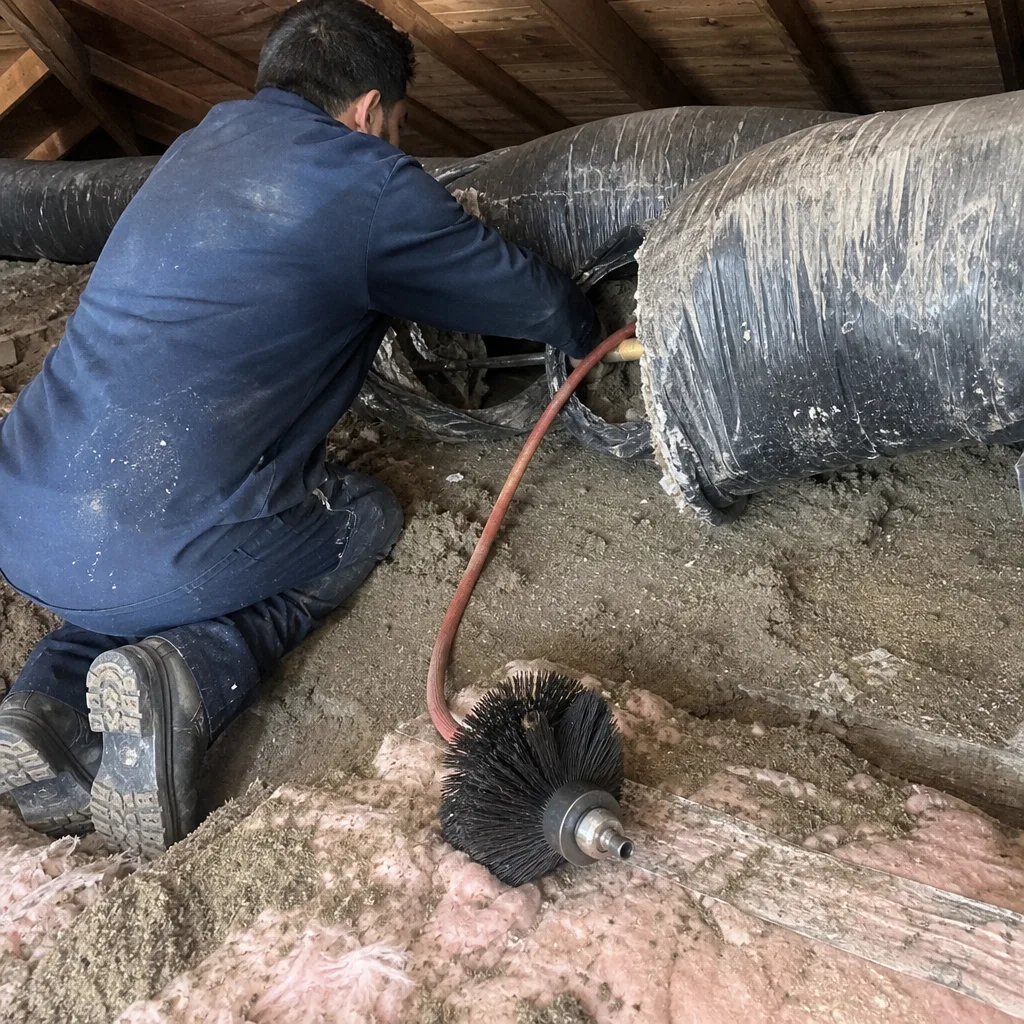 Before
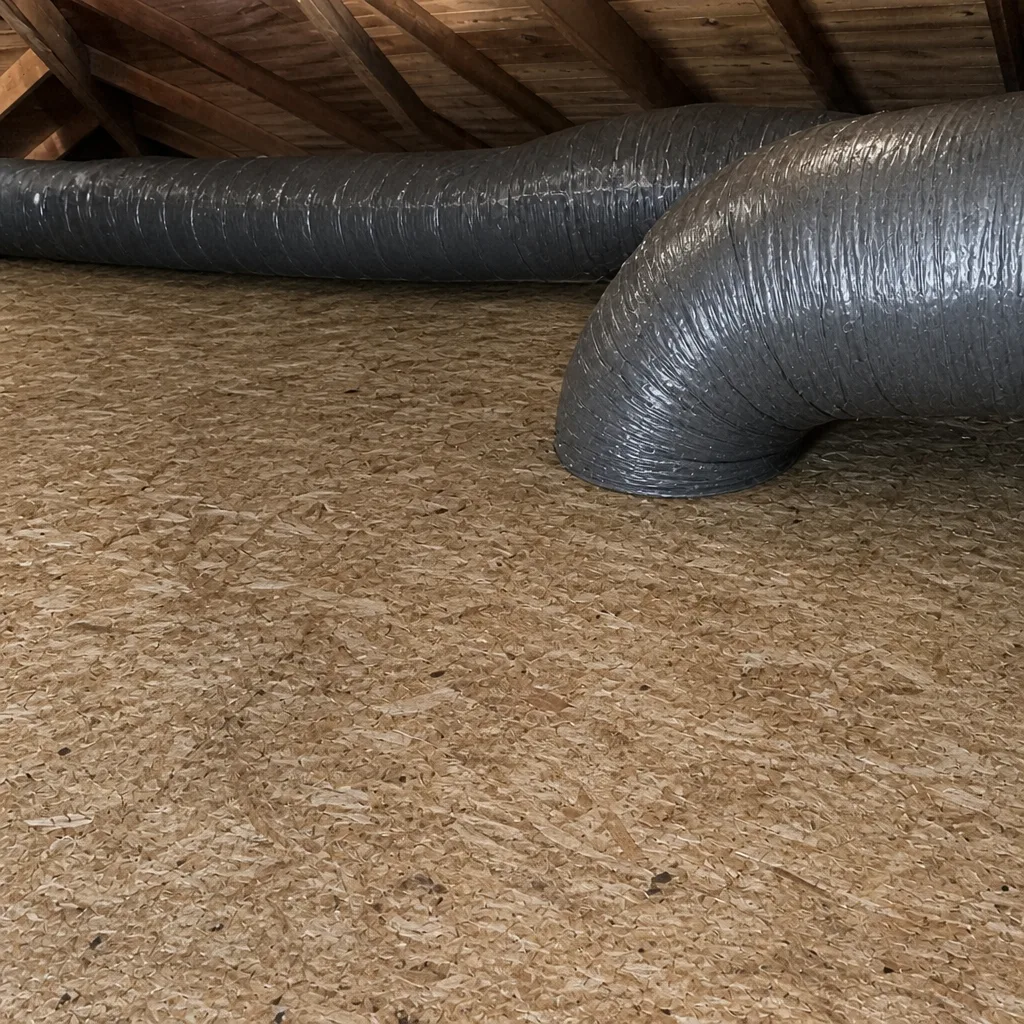 After
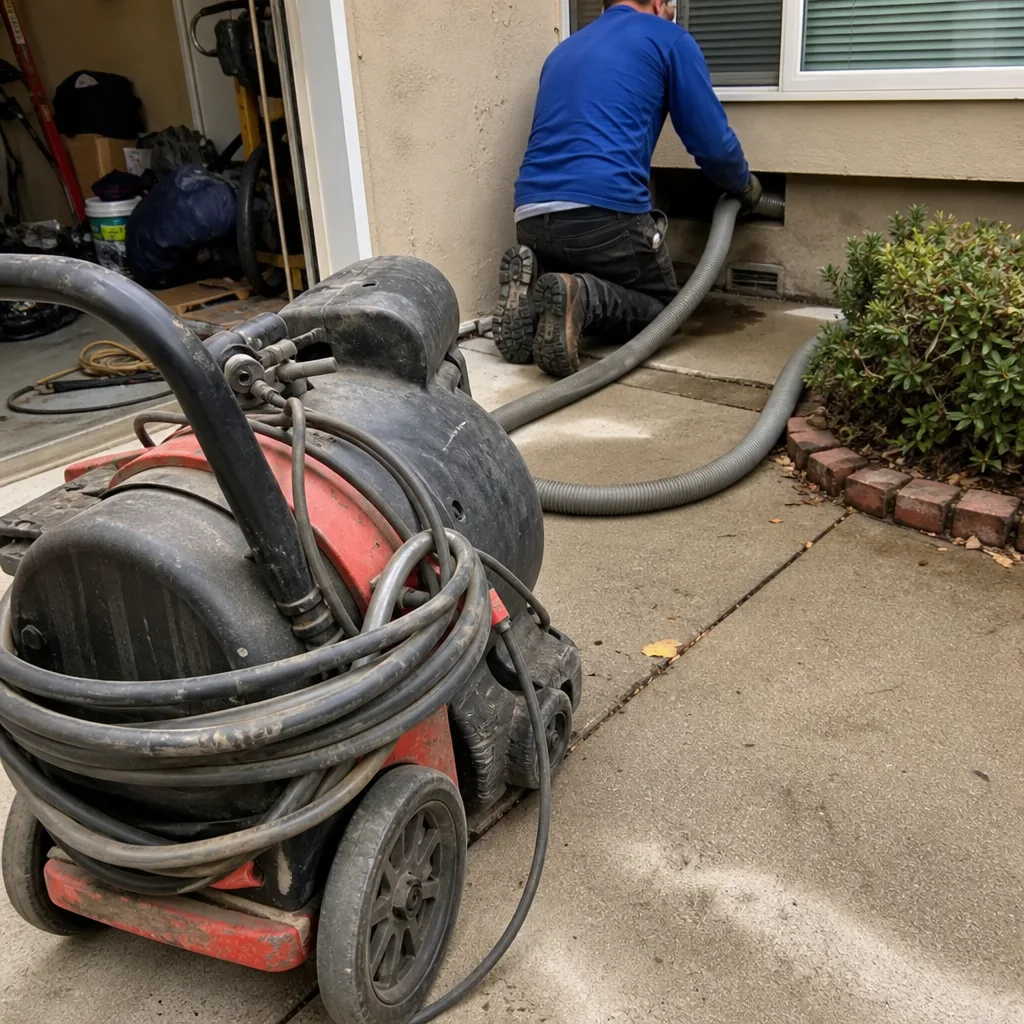 Before
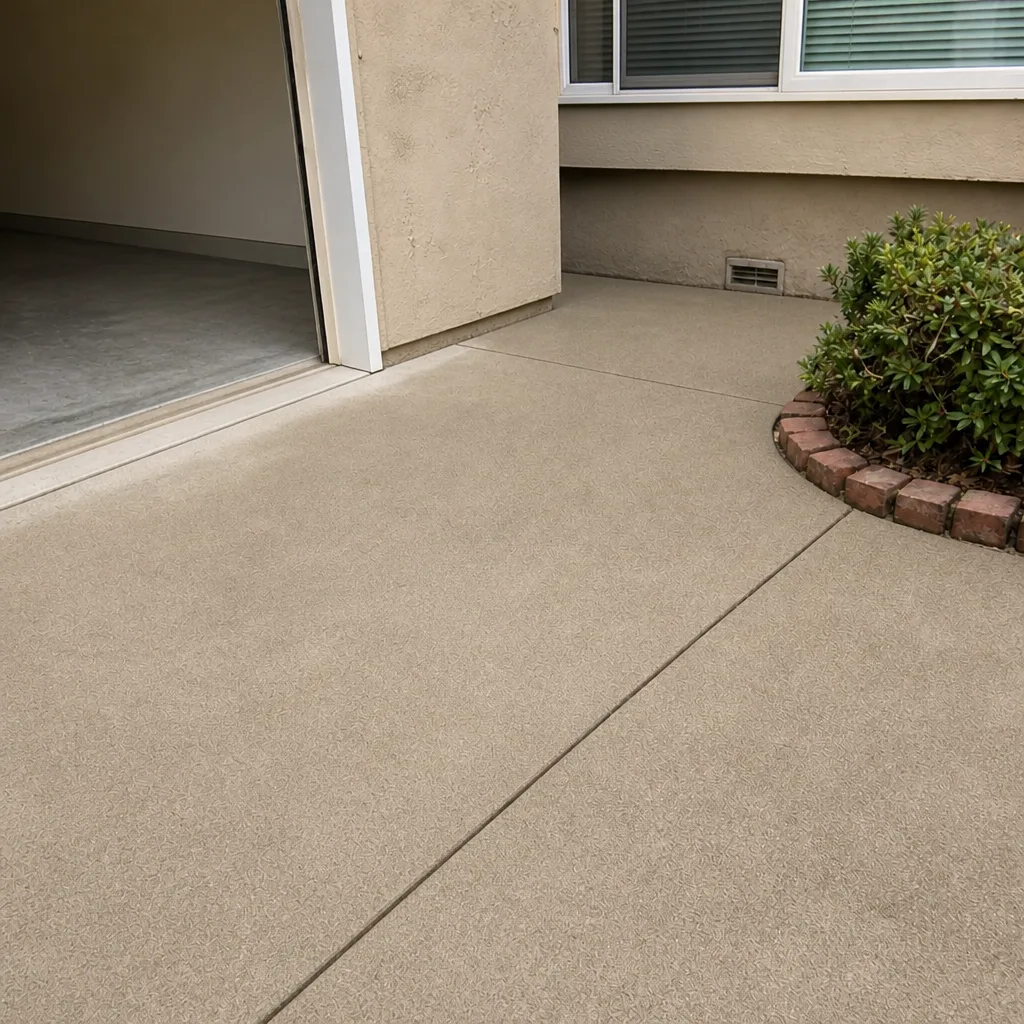 After
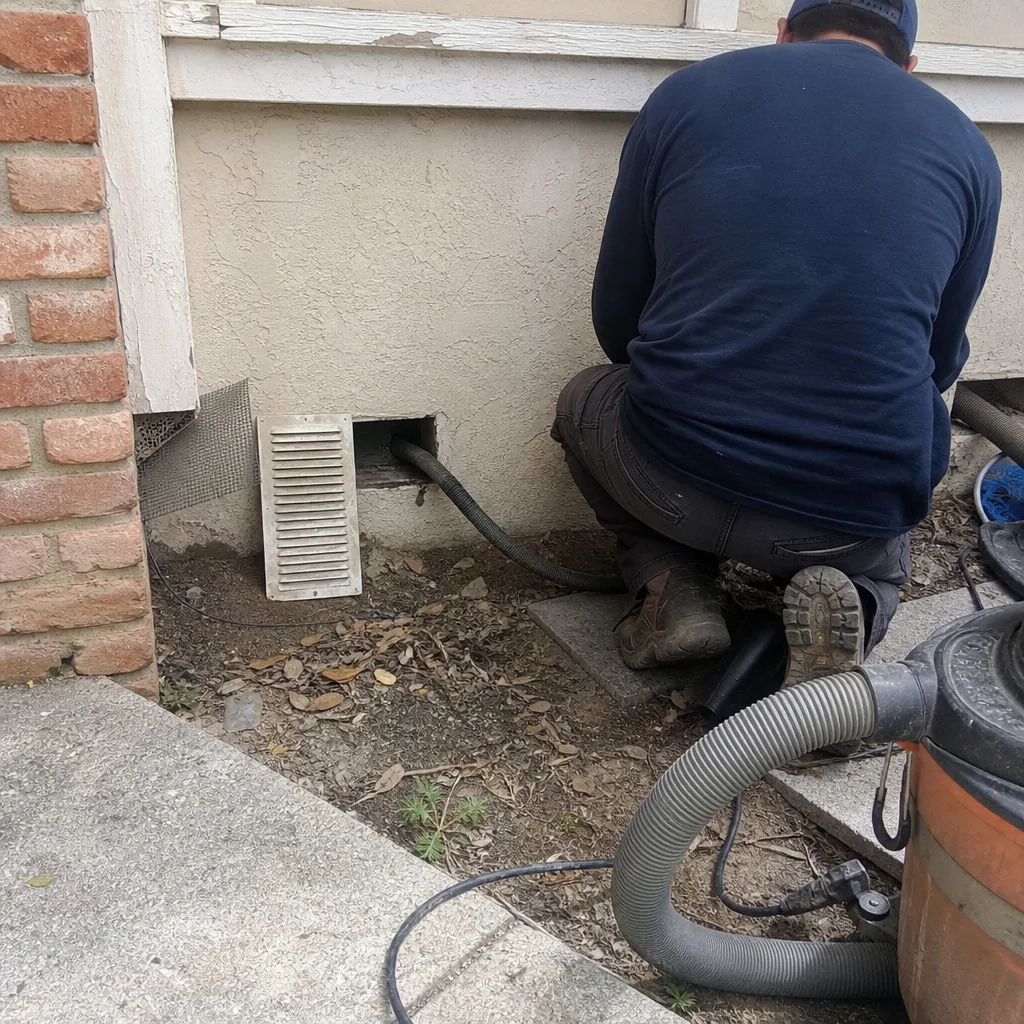 Before
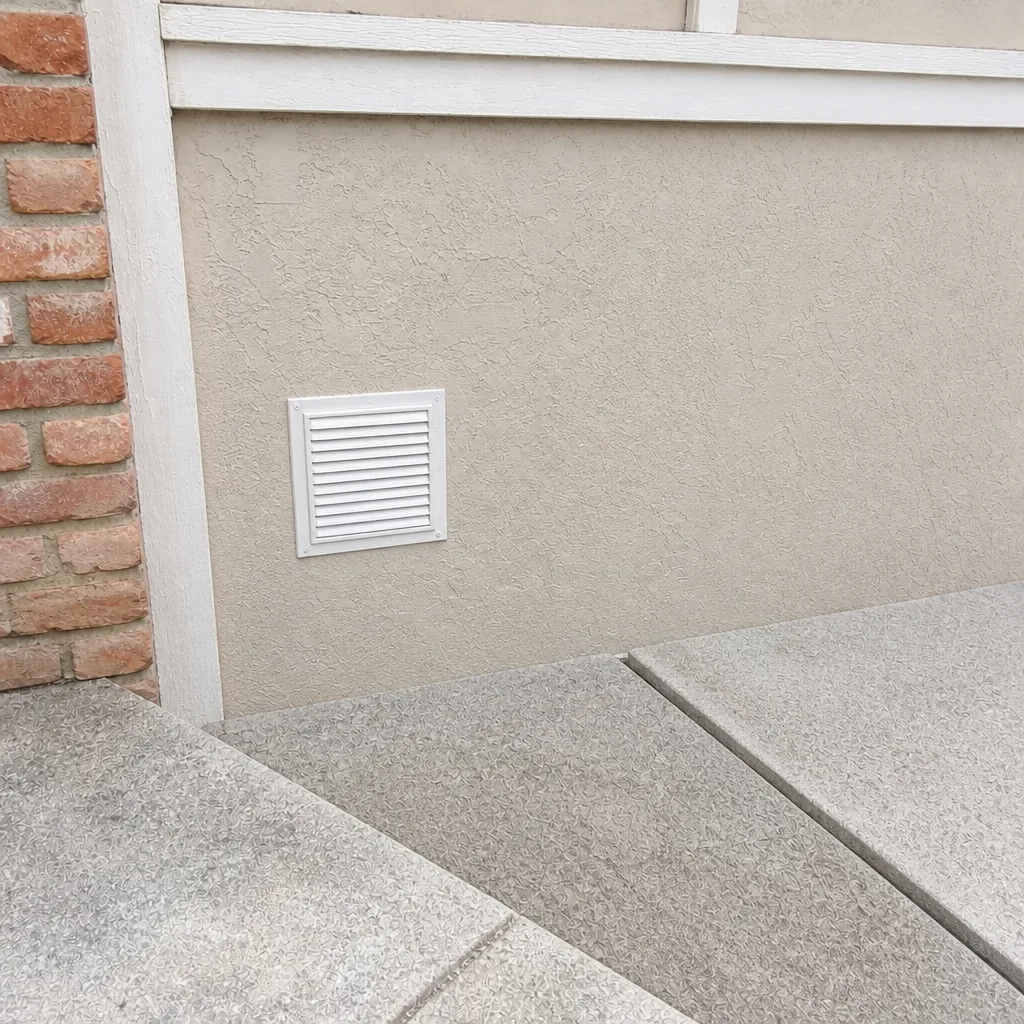 After
When to Call a Professional
Some situations are unambiguous. If you have lived in your Hayward home for more than five years and have never had the ducts cleaned, you are overdue. If you have pets, the clock moves faster: pet hair and dander accumulate in duct systems and recirculate through the home continuously. If someone in your household has allergies or asthma, the particulate load in your ducts is a health variable you can control. If you have done renovation work, especially drywall sanding or flooring removal, construction dust has entered your duct system and will keep coming out for months unless it is removed. If you see dust accumulating on surfaces within days of cleaning, your ducts are feeding the problem. If you smell mustiness when the system kicks on, there is something in the ductwork that should not be there. And if you have never checked your dryer vent, it is due. Duct Cleaning Hayward offers free estimates in Hayward. Call (833) 589-9902. We answer 24/7. Fast dispatch from 7am to 7pm, Sunday through Friday.
Frequently Asked Questions
A legitimate whole-system air duct cleaning in Hayward typically runs between $450 and $1,200 depending on home size, vent count, duct material, and system accessibility. Quotes below $300 for a whole home come from operations running portable equipment or quoting a teaser price that will grow once the technician arrives. The written estimate sets the final price, and it should be agreed in a scope of work before the job begins. Call (833) 589-9902 for a free, system-specific quote.
NADCA recommends cleaning every three to five years, but Hayward homes with pets, allergy sufferers, or a history of renovations should be evaluated more frequently. Homes near freeways or industrial corridors accumulate particulate faster than homes in lower-traffic areas. If your home has had drywall work done, schedule a cleaning after the dust settles to remove construction debris from the system.
The difference is negative pressure capacity. Truck-mounted systems generate 2,000 to 5,000 CFM of negative pressure using a blower housed in the vehicle, which is what allows for true source removal. Portable systems often pull under 1,000 CFM, which loosens debris but may not fully extract it. When a contractor quotes a price, ask them directly what CFM rating their equipment carries. If they cannot answer, you have learned everything you need to know.
Because they are quoting different jobs. A low quote usually comes from one of three things: portable equipment that does not extract effectively, a price that covers only branch runs and charges extra for returns and the plenum, or a teaser offer designed to get a technician in the door where the real price gets negotiated. A legitimate quote from a truck-mounted, NADCA-certified operation in Hayward will be higher because it reflects the cost of real equipment, trained labor, and a job that takes three to six hours, not one hour.
Demand before-and-after photos of your actual ducts taken with an inspection camera. A legitimate contractor will provide them without hesitation. The photos should show the same section of ductwork before cleaning and after cleaning, with visible accumulation in the first image and clean metal in the second. A contractor who cannot or will not provide photos is telling you something about how they work.
Yes. At Duct Cleaning Hayward, we work with Honeywell and Aprilaire air quality components, which means we can install filtration or air quality upgrades during the same appointment. Cleaner air starts inside the walls, and the right filtration helps keep it clean after we leave. Ask your technician what filtration options are compatible with your system, and whether an upgrade makes sense given your home’s particulate levels.
The Bottom Line
Hiring an air duct cleaning contractor in Hayward comes down to four questions: What equipment do you run, and what CFM does it pull? Do you hold NADCA ASCS certification, not just membership? Will you provide a written scope of work before you start? Will you give me before-and-after photos when you finish? The contractor who answers all four directly is the one you hire. The one who hedges is the one you thank for their time and replace with a call to (833) 589-9902. Professional-grade equipment, residential care. That is the standard. Hold every contractor to it.
Written by the team at Duct Cleaning Hayward, serving Hayward since 2011.